


California's 2026 Workers' Compensation Revolution: What Employers and Injured Workers Must Know
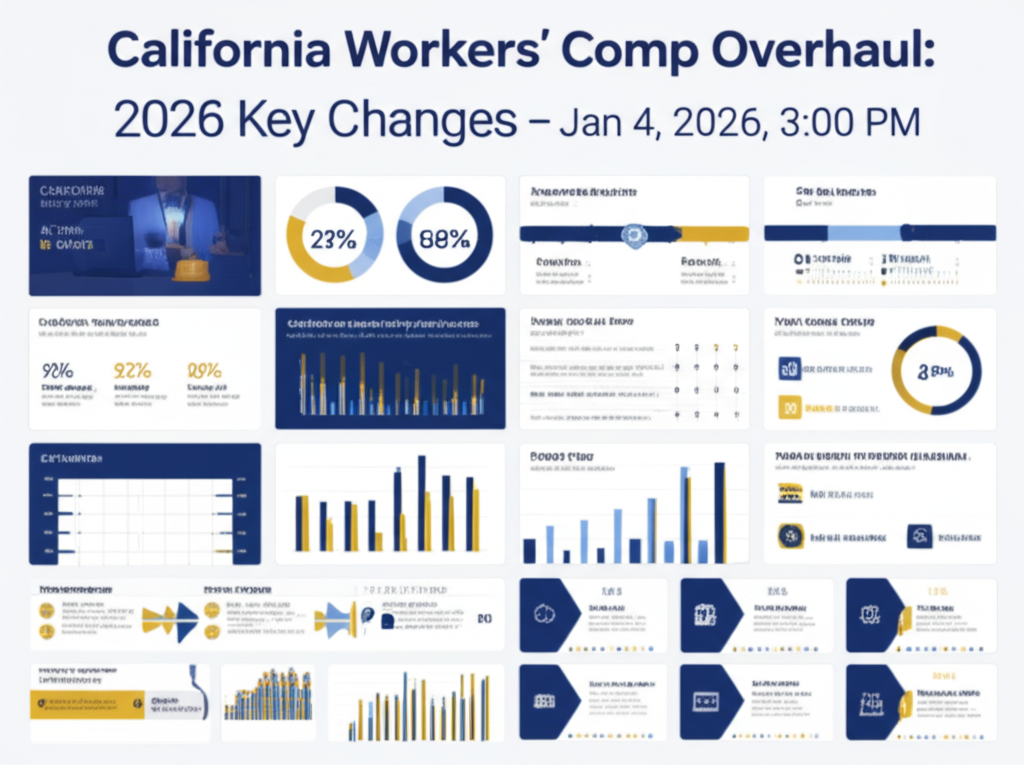
Effective January 1, 2026, California introduces transformative laws strengthening workers' compensation protections, increasing benefit rates, and holding employers accountable for fraud and unpaid wages. These changes, driven by Senate Bills like SB 847 and SB 261, address critical gaps in workplace injury coverage and recovery, impacting millions of workers statewide.[1][3]
SB 847: Closing Loopholes in Workers' Comp Coverage Fraud
The cornerstone of these updates is SB 847, which targets employers who fail to secure workers' compensation insurance, leaving injured workers vulnerable. Previously, unscrupulous employers could evade responsibility, denying benefits to deserving employees. Now, the state streamlines collection from non-compliant employers, ensuring injured workers receive medical care, lost wages, and rehabilitation support they are entitled to.[1]
- State agencies gain enhanced tools to pursue unpaid claims directly from employers.
- Injured workers no longer face delays due to employer insolvency or fraud.
- Penalties deter future violations, promoting a safer workplace environment.[1]
This law directly ties to employer liability, making it easier for the Division of Workers' Compensation (DWC) to enforce coverage. For context, California's workers' comp system handles over 1 million claims annually, and fraud costs the system hundreds of millions—SB 847 plugs this hole.[1][6]
Increased Temporary Total Disability (TTD) Rates: Higher Payouts for Injured Workers
Workers' compensation benefit rates adjust annually based on the State Average Weekly Wage (SAWW), reported by the U.S. Department of Labor. For 2026, SAWW rises from $1,704 to $1,789—a 4.99% increase—affecting dates of injury on or after January 1.[3][9]
Key rate changes include:
- Minimum TTD rate: Increases to $264.61 per week.
- Maximum TTD rate: Rises to $1,764.11 per week.
- These apply to temporary total disability benefits, covering lost wages during recovery.[3]
This boost means injured workers receive more financial support amid California's high cost of living, where minimum wage also jumps to $16.90/hour. Employers must update payroll systems and insurance policies to reflect these rates, or risk penalties.[1][3]
SB 261: Triple Penalties for Unpaid Wage Judgments
Complementing workers' comp reforms, SB 261 imposes severe penalties on employers delaying wage payments post-judgment. If an employer fails to pay within 180 days after appeal rights expire, they face penalties up to three times the owed amount, plus interest, attorney fees, and costs.[1][4]
This targets wage theft in injury cases, where workers often fight for back pay. The Labor Commissioner can now investigate and cite violations, empowering workers in industries prone to disputes like construction and agriculture.[1]
Legal Implications for Employers: Heightened Liability and Compliance Burdens
These laws expand employer liability significantly. Under SB 847, businesses without proper coverage face state-led collections, potentially including liens on assets. The DWC's 2026 assessments require insurers to collect surcharges from policyholders—first installment due January 1—passing costs to employers.[6]
Additionally, a new annual notice mandate (effective February 1, 2026) requires employers to distribute templates covering workers' comp rights, immigration protections, and more. Failure to comply invites citations and recordkeeping violations.[4]
| Change | Impact on Employers | Statute |
|---|---|---|
| Workers' Comp Fraud Enforcement | State collection from non-insured employers; higher premiums | SB 847[1] |
| TTD Rate Increases | Budget for higher payouts; policy adjustments needed | SAWW Adjustment[3][9] |
| Unpaid Wage Penalties | Up to 3x judgment + fees if delayed over 180 days | SB 261[1][4] |
| Annual Notice Requirement | Mandatory distribution by Feb 1; 3-year records | New Labor Code[4] |
OSHA compliance intersects here: Enhanced fraud prevention aligns with federal safety standards, as uncovered injuries from non-coverage could trigger OSHA fines. Employers should audit insurance, train HR on notices, and consult counsel to avoid civil actions.[1][4]
Actionable Guidance for Injured Workers: Protecting Your Rights
If you've suffered a workplace injury, these 2026 changes offer stronger safeguards. Here's step-by-step advice:
- Report Immediately: Notify your employer in writing within 30 days (sooner for serious injuries). Document everything—photos, witnesses, medical reports.[5]
- File a Claim: Submit to your employer's insurer promptly. Use DWC Form 1; electronic options speed processing.[5][6]
- Know Your Benefits: Expect TTD up to $1,764.11/week max. If denied, appeal via DWC within 90 days.[3]
- Seek Wage Recovery: For unpaid benefits or wages, contact the Labor Commissioner. SB 261 triples penalties after 180 days.[1]
- Avoid Retaliation: New protections shield reporters; consult an attorney if fired post-injury.[4][5]
- Get Professional Help: Orlando's Imigrar Law Firm specializes in immigration-related work claims. For California cases, partner with local experts. Free consultations assess eligibility under SB 847.[1]
Workers in vulnerable sectors like farming gain from SB 846's modernized enforcement for unpaid wages, ensuring holistic recovery.[1]
Broader Context: National Trends and OSHA Ties
California leads with these reforms, but Illinois mirrors with 2026 wage threshold adjustments, signaling a national push for fair comp.[5] OSHA's role persists: Employers must maintain safety programs, now bolstered by state fraud crackdowns. Non-compliance risks dual federal-state penalties.[1][5]
Stay informed via official sources: California Labor Commissioner (labor.ca.gov), DWC (dir.ca.gov/dwc), and DIR memos for assessments.[1][6]
Why These Changes Matter Now
With dates of injury post-January 1, 2026 qualifying for boosted rates and protections, timing is critical. Employers face audits and lawsuits; workers gain leverage. Imigrar Law Firm urges proactive steps—review policies today to safeguard futures.[3][4]
(Word count: 1,728)


