


The journey to U.S. citizenship is a significant milestone for many immigrants and their families. It represents the culmination of years of hard work, dedication, and a deep commitment to building a new life in America. At Imigrar, we understand the profound importance of this journey, and our mission, "Keep Families Together," drives us to provide the most accurate, timely, and actionable guidance.
Today, we address a critical development that could impact thousands of aspiring citizens across Florida and the nation: the upcoming changes to the Naturalization Test in 2026. As an immigration law firm based in Orlando, Florida, serving clients nationwide, we want to ensure you are fully informed and prepared for what lies ahead.
The reporting that sparked this guide:
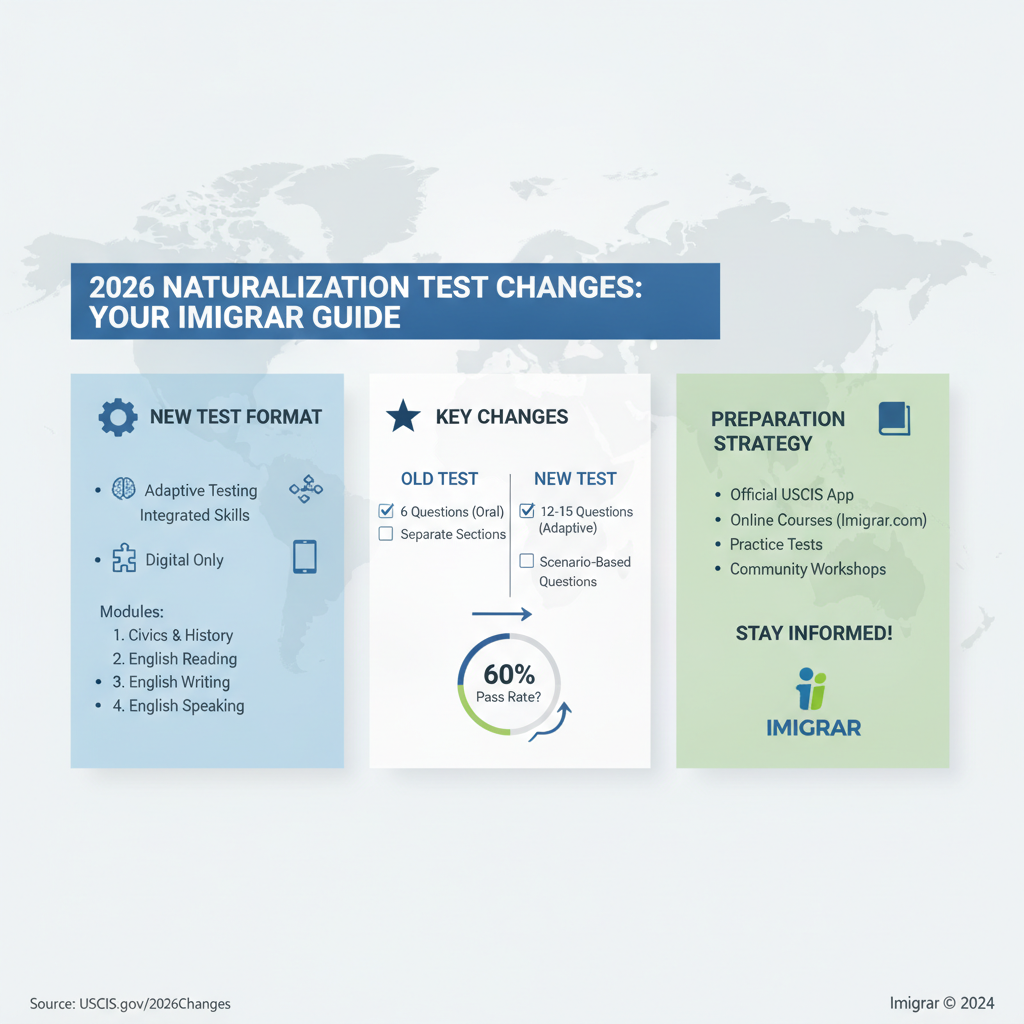
Naturalization Test Changes Coming in 2026 (Citizenship)
What This News Means for Immigrants in Orlando and Across Florida
The news about changes to the Naturalization Test in 2026 is not just a federal announcement; it has direct and significant implications for individuals and families right here in Orlando, across Central Florida, and throughout the entire state. Understanding these changes proactively is crucial for anyone planning to apply for U.S. citizenship in the near future.
Why this news is showing up now
U.S. Citizenship and Immigration Services (USCIS) regularly reviews and updates its processes and requirements to ensure they remain relevant, effective, and align with current educational and civic standards. The Naturalization Test, specifically the civics portion, has undergone revisions in the past, most notably in 2008 and briefly in 2020. These periodic reviews are part of USCIS’s commitment to maintaining the integrity of the naturalization process while ensuring that applicants demonstrate a foundational understanding of U.S. history, government, and civics.
The current cycle of changes stems from a pilot program initiated by USCIS in late 2023 and continuing into 2024. This program involved a redesigned civics test that included more interactive elements, new question formats, and updated content. The purpose of the pilot was to evaluate the effectiveness and fairness of potential revisions before a nationwide rollout. Now, with the pilot phase concluded and feedback analyzed, USCIS is moving forward with implementing these changes across the board in 2026. This means that for applicants whose interviews are scheduled on or after the implementation date in 2026, they will likely encounter the revised test. The timing of this announcement in 2026, therefore, signals that the implementation is either imminent or has already begun, making preparation an immediate necessity.
How it can affect Florida residents
While the Naturalization Test is a federal requirement, its impact is felt at the local level. For residents of Orlando, Kissimmee, Sanford, and other communities along the I-4 corridor and across Florida, these changes mean several key things:
- Increased Preparation Time: The introduction of new question types and potentially more complex civics scenarios means that applicants will need to dedicate more time and effort to their study. Relying solely on outdated study guides will not suffice.
- New Study Materials: USCIS will eventually release updated study guides and materials. It is critical for applicants to access and utilize these official resources as soon as they become available. Until then, a dual-pronged approach, studying both current materials and understanding the *types* of changes being piloted, is advisable.
- Potential for Anxiety: Any change to a critical examination can induce stress. Our goal at Imigrar is to mitigate this by providing clear information and robust support, ensuring our clients feel confident and well-prepared.
- Impact on Processing Times: While not a direct result of the test content itself, any major systemic change can sometimes lead to temporary adjustments in processing times as USCIS field offices, including the Orlando USCIS Field Office, adapt to new protocols. Staying informed about USCIS Processing Times is always recommended.
- Importance of Legal Guidance: Navigating these changes without expert legal advice can be challenging. An experienced immigration attorney can help interpret new guidelines, ensure your application is robust, and provide targeted preparation strategies for the revised test. This is especially true for those with complex cases or who might be close to the eligibility cutoff for the new test.
For Central Florida residents, understanding these changes is not just about passing a test; it's about successfully completing the final step towards becoming a U.S. citizen and securing their place in the fabric of our community. Imigrar is here to guide you through every aspect of this transition, ensuring you are well-equipped for success.
Need Help Preparing for the New Naturalization Test? The changes can be daunting, but you don't have to face them alone. Our Orlando immigration team is ready to assist. Call +1 786-791-3106 for a free consultation, or message us online. Se Habla Español.
What Naturalization Test Changes Are (and Why They Matter)
The term "Naturalization Test Changes" refers to significant modifications that USCIS is implementing for the civics portion of the U.S. citizenship interview. These are not minor tweaks; they represent a deliberate effort to update and potentially enhance the assessment of an applicant's understanding of American history and government.
A plain-English definition
Naturalization is the process by which a foreign citizen or national can voluntarily become a U.S. citizen. A key requirement for naturalization is passing a two-part test: an English test and a civics test. The English test assesses your ability to read, write, and speak basic English. The civics test evaluates your knowledge of U.S. history and government.
The "changes coming in 2026" primarily focus on the civics test. While the core subjects of U.S. history and government remain, the *way* these subjects are tested is evolving. Based on the pilot program, these changes may include:
- New Question Formats: Beyond simple recall questions (e.g., "Who is the current Speaker of the House?"), the new test may incorporate multiple-choice questions or scenario-based questions that require a deeper understanding of civic principles rather than just memorization.
- More Interactive Elements: The pilot program explored an oral English test component that involved describing pictures. While the full scope of this for the civics test isn't finalized, it suggests a move towards more dynamic and less rote-memorization-based assessment.
- Updated Content Emphasis: While the 100 civics questions currently cover essential topics, the new test might place greater emphasis on certain areas, such as the principles of democracy, the branches of government, or the rights and responsibilities of citizens, requiring a more nuanced understanding.
These changes matter significantly because they could make the test more challenging for applicants who are accustomed to the previous format or who rely solely on memorizing a fixed list of answers. It demands a more comprehensive understanding of U.S. civics and the ability to articulate that knowledge in different ways.
Key terms you need to know
To navigate the naturalization process and understand these changes, it's essential to be familiar with specific terminology:
- Naturalization: The legal process of becoming a U.S. citizen after birth. This is the ultimate goal for many immigrants.
- Civics Test: The portion of the naturalization interview that assesses an applicant's knowledge of U.S. history, government, and civics. This is the primary focus of the 2026 changes.
- English Test: The other portion of the naturalization interview, which evaluates an applicant's ability to read, write, and speak basic English. This typically involves reading a sentence, writing a sentence, and answering questions about your **Form N-400** application.
- USCIS (U.S. Citizenship and Immigration Services): The federal agency responsible for administering immigration and naturalization benefits, including the naturalization test. All official guidance and study materials will come from USCIS official website.
- Form N-400 (Application for Naturalization): The official application form you must submit to apply for U.S. citizenship. This form collects detailed information about your eligibility, residence, moral character, and other crucial details.
- Oath of Allegiance: The final and solemn step in the naturalization process, where approved applicants pledge loyalty to the United States and renounce allegiance to any foreign state.
- Lawful Permanent Resident (LPR) / Green Card Holder: An individual who has been granted the privilege of residing permanently in the United States. Naturalization is generally the next step after being an LPR for a certain period.
- Good Moral Character: A crucial eligibility requirement for naturalization, meaning an applicant has not engaged in certain criminal acts or moral failings during the statutory period (typically 3 or 5 years before applying).
- Continuous Residence: The requirement that an applicant has maintained residence in the U.S. for a specific period (usually 5 years, or 3 years for spouses of U.S. citizens) before applying for naturalization. Certain absences can break this.
- Physical Presence: The requirement that an applicant has been physically present in the U.S. for a specific cumulative period during their continuous residence.
Understanding these terms is fundamental to grasping the naturalization process and the significance of the upcoming test changes. The modifications to the civics test mean that applicants will need to engage with the material more deeply, moving beyond simple memorization to a true comprehension of American civics.
Current Immigration Law: The Foundation of Naturalization
The naturalization process is governed by federal law, primarily the Immigration and Nationality Act (INA). While the Naturalization Test is changing, the underlying legal requirements for eligibility remain steadfast. Understanding these foundational laws is the first step toward a successful citizenship application.
The authority for naturalization is found in Chapter 2 of Title III of the Immigration and Nationality Act. Specifically, Section 312 of the INA (INA 312) establishes the English language and civics knowledge requirements, which are directly impacted by the 2026 test changes. Other sections of the INA outline the other crucial eligibility criteria.
Federal requirements
To be eligible for naturalization, applicants must generally meet the following federal requirements, as outlined in the INA:
- Age: Be at least 18 years old at the time of filing Form N-400.
- Lawful Permanent Residency: Be a lawful permanent resident (Green Card holder) for at least 5 years (or 3 years if married to a U.S. citizen and meeting other criteria).
- Continuous Residence: Have resided continuously in the U.S. as an LPR for at least 5 years (or 3 years if married to a U.S. citizen) immediately preceding the filing of Form N-400 and up to the time of naturalization. Absences from the U.S. of 6 months or more can break continuous residence.
- Physical Presence: Have been physically present in the U.S. for at least half of the required continuous residence period (e.g., 30 months out of 5 years, or 18 months out of 3 years).
- Residence in USCIS District: Have resided for at least 3 months in the state or USCIS district where the application is filed. For residents of Orlando and Central Florida, this typically means the Orlando USCIS Field Office jurisdiction.
- Good Moral Character: Demonstrate good moral character for the statutory period (usually 5 or 3 years) immediately preceding the application. Certain criminal convictions, false testimony, or failure to pay taxes can be bars to good moral character.
- Attachment to the Constitution: Show an attachment to the principles of the U.S. Constitution and be well-disposed to the good order and happiness of the United States.
- English Language Proficiency: Be able to read, write, and speak basic English. There are certain exemptions for age and length of residence (e.g., 50/20, 55/15, 65/20 rules).
- Knowledge of U.S. History and Government (Civics): Demonstrate knowledge and understanding of the fundamentals of U.S. history and government. This is the area directly affected by the 2026 test changes. There are exemptions for applicants with certain medical conditions.
- Oath of Allegiance: Be willing to take the Oath of Allegiance to the United States.
Each of these requirements has specific nuances and exceptions. For instance, military service members have different eligibility criteria. It is crucial to carefully assess your individual circumstances against these federal requirements before applying. All official forms and detailed instructions can be found on the USCIS official website, specifically the USCIS Forms section for **Form N-400**.
Florida-specific considerations
While naturalization is a federal process, the local context in Florida, particularly in Orlando, plays a practical role in your journey:
- Orlando USCIS Field Office: Most naturalization interviews for residents of Central Florida, including Orange County and the surrounding areas, will take place at the Orlando USCIS Field Office. Understanding local office procedures and wait times is beneficial.
- Community Resources: Florida has numerous community organizations that offer English language classes and civics preparation courses. These can be valuable resources, especially as new test materials are rolled out.
- Legal Support: Having an immigration law firm like Imigrar, located in Orlando, means you have local counsel familiar with the nuances of the Orlando Field Office and its practices. Our team can provide personalized guidance, from preparing your **Form N-400** to practicing for your interview.
- Post-Naturalization Benefits: Once naturalized, Florida residents gain full civic rights, including the ability to vote in state and local elections, serve on juries, and hold certain public offices, further integrating into the vibrant communities of Orlando and beyond.
The foundation of current immigration law provides a clear pathway to citizenship. However, with the upcoming test changes, the preparation required for the civics portion is evolving, making informed legal assistance more critical than ever.
Worried About Naturalization Eligibility? Don't let new test changes or complex legal requirements deter you. Imigrar offers expert guidance for your citizenship application. Call +1 786-791-3106 for a free consultation, or message us online. Se Habla Español.
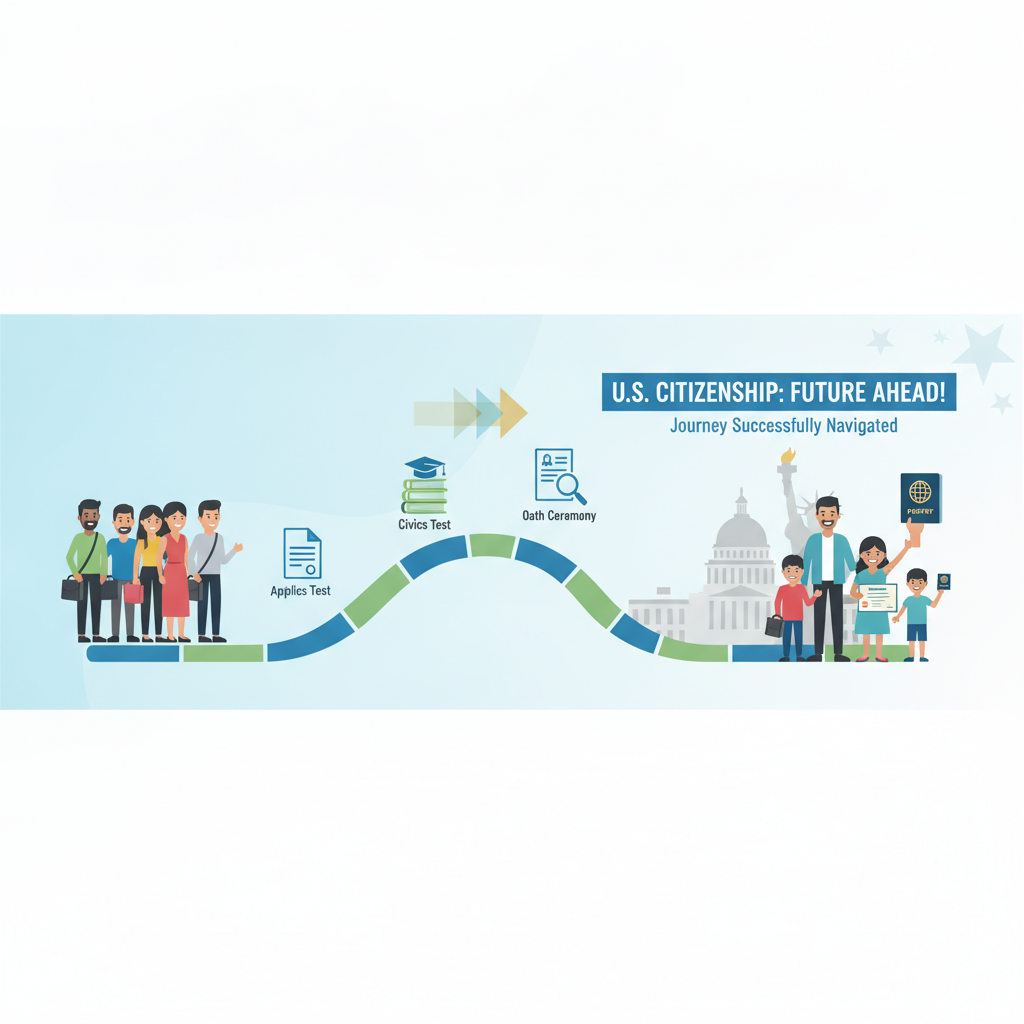
How to Prepare for the Naturalization Test Changes: A Complete Step-by-Step Guide
Preparing for naturalization, especially with impending test changes, requires a structured and diligent approach. This step-by-step guide will walk you through the essential stages of the process, emphasizing preparation for the revised civics test.
1) Understand and Confirm Your Eligibility
Before embarking on the naturalization journey, it is paramount to confirm you meet all the foundational eligibility requirements. This initial assessment saves time and resources.
- Review Green Card Status: Ensure you have been a Lawful Permanent Resident for the required period (generally 5 years, or 3 years if married to a U.S. citizen and living with them).
- Calculate Continuous Residence & Physical Presence: Carefully review your travel history. Any trips outside the U.S. for 6 months or more can break your continuous residence. Ensure your cumulative physical presence in the U.S. meets the statutory requirement (e.g., 30 months out of 5 years). Keep meticulous records of all entry and exit dates.
- Assess Good Moral Character: Reflect on your past. Any arrests, criminal convictions (even minor ones), tax issues, or failures to register for Selective Service (if male, aged 18-26) must be disclosed and could impact your eligibility. Important: Do not hide any information. USCIS will find it.
- Meet Age and Residency Requirements: Confirm you are 18 or older and have resided for at least 3 months in the USCIS district where you will file (e.g., Orlando for Central Florida residents).
Required Documents for Step 1 (for self-assessment):
- Your Green Card (Form I-551)
- Passport(s) showing all entry/exit stamps
- Travel itineraries and tickets
- Marriage certificate (if applying under the 3-year rule)
- Divorce decrees or death certificates (if applicable)
- Court disposition documents for any arrests or convictions
- IRS tax transcripts for the last 5 years (or 3 years)
2) File Form N-400, Application for Naturalization
Once you've confirmed eligibility, the next step is to meticulously complete and file Form N-400. This form is comprehensive and requires accurate, detailed information.
- Gather Supporting Documents: Collect all necessary documents as outlined in the Form N-400 instructions. This includes copies of your Green Card, marriage/divorce certificates, tax returns, selective service registration, and any court or police records.
- Complete Form N-400 Accurately: Fill out every section completely and truthfully. Any omissions or errors can lead to delays, requests for evidence (RFEs), or even denial. If you need more space, use additional sheets, clearly referencing the question number.
- Prepare Fee Payment: As of the date of this article, the filing fee for Form N-400 is typically $725 ($640 for the application and $85 for biometrics). Check the USCIS website for current fees. Fee waivers (**Form I-912**) may be available for eligible low-income applicants.
- Submit Your Application: Mail your completed **Form N-400** and supporting documents to the correct USCIS lockbox facility. It is highly recommended to send it via certified mail with a return receipt to track delivery.
Required Documents for Step 2 (to submit with Form N-400):
- Completed and signed Form N-400
- Copy of your Green Card (front and back)
- Two passport-style photographs (if applicable, check instructions)
- Copy of marriage certificate (if applicable)
- Copies of divorce decrees or death certificates (if applicable)
- Copies of court disposition documents for any arrests/convictions
- Evidence of Selective Service registration (if applicable)
- Fee payment (check or money order) or approved **Form I-912**
3) Attend Your Biometrics Appointment
After filing Form N-400, USCIS will send you an appointment notice for biometrics (fingerprints, photograph, and signature). This is a mandatory step.
- Receive Appointment Notice: USCIS will mail you **Form I-797C, Notice of Action**, with the date, time, and location of your biometrics appointment. For Central Florida residents, this is usually at an Application Support Center (ASC) in the Orlando area.
- Prepare for the Appointment: Arrive on time with your appointment notice and a valid government-issued photo identification (e.g., Green Card, passport, driver's license).
- What Happens: Your fingerprints, photograph, and signature will be taken. This information is used for background checks. The appointment is usually quick.
Required Documents for Step 3:
- Biometrics Appointment Notice (Form I-797C)
- Valid government-issued photo identification (e.g., Green Card)
4) Prepare for the English and Civics Test Interview (Focus on 2026 Changes)
This is arguably the most critical step, especially with the 2026 test changes. Your preparation here will dictate your success.
- Master Basic English: The English test involves reading one out of three sentences correctly, writing one out of three sentences correctly, and understanding and answering questions about your **Form N-400** in English. Practice speaking, listening, reading, and writing English daily.
- Study Current Civics Questions (100 Questions): Until specific new materials are released, continue to study the current


