


The landscape of immigration law is constantly evolving, and for Deferred Action for Childhood Arrivals (DACA) recipients, staying informed is not just beneficial—it's essential for protecting their future. Today, September 3, 2026, we at Imigrar are dedicated to providing the most up-to-date and actionable information regarding DACA program updates and the critical renewal process.
For over a decade, DACA has provided temporary protection from deportation and work authorization for hundreds of thousands of young people, often referred to as Dreamers, who were brought to the United States as children. While the program has faced numerous legal challenges and policy shifts, the ability to renew DACA remains a lifeline for many.
The reporting that sparked this guide
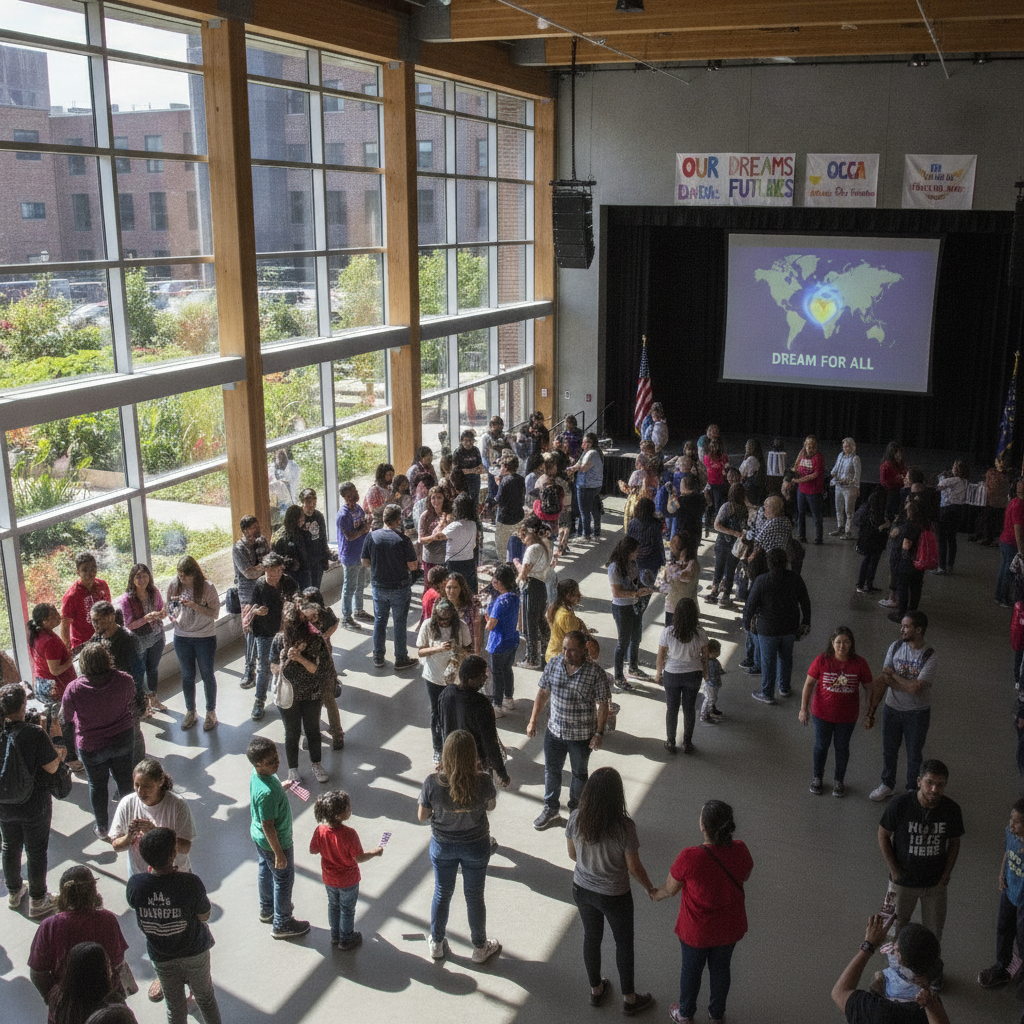
Our commitment to keeping you informed is driven by the continuous flow of information from official sources like USCIS and ongoing legal developments. This comprehensive guide is inspired by the latest updates and discussions surrounding the DACA program, as highlighted in current news reports:
DACA Program Updates and Renewal Information (USCIS)
What This News Means for Immigrants in Orlando and Across Florida
For DACA recipients and their families in Orlando, Central Florida, and throughout the nation, news about the program carries significant weight. Understanding the current status and future outlook of DACA is crucial for planning your life and ensuring your continued protection.
Why this news is showing up now
The DACA program has been a subject of intense legal and political debate since its inception in 2012. The recurring news surrounding DACA updates and renewals stems primarily from ongoing litigation, specifically the case of Texas v. United States. In this case, federal courts have ruled that the DACA program, as originally implemented, was unlawful. This has led to a complex situation where current DACA recipients are generally permitted to renew their status, but U.S. Citizenship and Immigration Services (USCIS) is prohibited from approving new, initial DACA applications.
As of September 3, 2026, the legal challenges continue to cast a shadow of uncertainty over the program's long-term future. However, USCIS continues to accept and process DACA renewal requests. Each court decision, policy pronouncement, or even the lack thereof, generates news and requires Dreamers to stay vigilant. The focus remains on ensuring that eligible individuals can maintain their deferred action and employment authorization through timely and accurate renewals, despite the program's precarious legal standing.
How it can affect Florida residents
Florida is home to a significant population of DACA recipients, many of whom are integral parts of our communities, contributing to our economy, serving in essential professions, and pursuing higher education. For Central Florida residents, particularly those in Orlando, Orange County, and along the I-4 corridor, the impact of DACA updates is deeply personal and practical.
- Employment Stability: DACA provides the crucial Employment Authorization Document (EAD), allowing recipients to work legally. Any disruption to renewals can jeopardize jobs and financial stability for families in Orlando.
- Educational Opportunities: Many DACA recipients are students at Florida's colleges and universities. The ability to renew DACA impacts their eligibility for in-state tuition in some cases and their overall peace of mind to focus on their studies.
- Driver's Licenses: In Florida, DACA recipients are generally eligible to obtain a driver's license, which is vital for daily life, commuting to work, and accessing services in our sprawling state. Maintaining DACA status is key to renewing these licenses.
- Community Impact: DACA recipients are deeply woven into the fabric of Florida's communities. The uncertainty surrounding DACA affects not just individuals but also their families, friends, and local businesses. The Orlando USCIS Field Office processes many applications from the region, making local access to information and legal help paramount.
At Imigrar, we understand these local impacts. Our Orlando-based team is committed to helping Florida Dreamers navigate these complexities, ensuring they have the information and legal support needed to protect their DACA status and continue building their lives here.
Need Help Navigating DACA Updates? The legal landscape can be confusing. Our experienced Orlando immigration team is ready to assist you with your DACA renewal and answer your questions. Call +1 786-791-3106 for a free consultation, or message us online. Se Habla Español.
What Deferred Action for Childhood Arrivals (DACA) Is (and Why It Matters)
The Deferred Action for Childhood Arrivals (DACA) program is a U.S. immigration policy that has provided a measure of relief and opportunity for hundreds of thousands of young undocumented immigrants across the country. Understanding what DACA is, and isn't, is fundamental to appreciating its significance.
A plain-English definition
At its core, DACA is an exercise of "prosecutorial discretion" by the U.S. Department of Homeland Security (DHS). When an individual receives DACA, it means the government agrees to "defer" (postpone) any removal (deportation) action against them for a specific period, typically two years. This deferred action is renewable. Importantly, DACA is not a path to U.S. citizenship, nor does it grant lawful permanent resident (green card) status. It's a temporary form of protection that allows eligible individuals to live and work in the U.S. without immediate fear of deportation.
In addition to deferred action, DACA recipients are also eligible to apply for an Employment Authorization Document (EAD), commonly known as a work permit. This EAD allows them to legally work in the United States and often to obtain a driver's license in their state of residence.
The program was established in 2012 to address the plight of young people, often called "Dreamers," who were brought to the U.S. as children, grew up here, and often know no other home. It offers them a chance to contribute more fully to society without the constant threat of removal.
Key terms you need to know
Navigating DACA requires understanding specific terminology used by immigration authorities and in legal discussions:
- Deferred Action: This is the core benefit of DACA. It's a decision by the government not to pursue deportation against an individual for a specified period. It's temporary and does not confer any permanent immigration status.
- Employment Authorization Document (EAD): Also known as a work permit, this card (Form I-766) allows DACA recipients to legally work in the U.S. It is typically valid for two years, matching the DACA deferral period.
- Advance Parole: This is a travel document (Form I-131) that allows certain non-citizens, including some DACA recipients, to travel outside the U.S. and lawfully return. For DACA recipients, Advance Parole is currently granted only under very limited humanitarian, educational, or employment purposes, and its availability can change with legal challenges. Unauthorized travel without Advance Parole can invalidate DACA status.
- Dreamers: A widely used term for young undocumented immigrants who were brought to the U.S. as children. The term originated from the "DREAM Act," a legislative proposal that would have provided a pathway to citizenship.
- USCIS (U.S. Citizenship and Immigration Services): The government agency responsible for administering lawful immigration to the United States, including processing DACA applications and renewals. You will interact with USCIS extensively during the renewal process.
- DHS (Department of Homeland Security): The overarching federal department responsible for immigration enforcement and security, under which USCIS operates.
- Texas v. United States: This is the ongoing federal court case that has significantly impacted DACA. A ruling from the Southern District of Texas found DACA unlawful, leading to the current situation where new DACA applications are paused, but renewals continue. This case is currently under appeal, and its outcome will heavily influence DACA's future.
- Continuous Residence: A key eligibility requirement for DACA. It means maintaining your residence in the U.S. for a specific period, generally since June 15, 2007, up to the present. Brief, casual, and innocent departures from the U.S. might not break continuous residence, but any unauthorized travel (without Advance Parole) will.
Understanding these terms is vital for DACA recipients to navigate the renewal process and stay informed about policy changes. DACA matters because it allows individuals to pursue education, build careers, support their families, and contribute to their communities without the constant fear of deportation, offering a semblance of stability in an otherwise uncertain situation.
Current Immigration Law: The Foundation of DACA Renewals
DACA, while not a statutory law passed by Congress, operates under existing immigration laws and regulations, and its implementation is significantly shaped by executive action and judicial rulings. The current legal framework for DACA is complex, primarily due to ongoing litigation.
Federal requirements
The DACA program was created through a memorandum from the Secretary of Homeland Security on June 15, 2012. While subsequent administrations have attempted to modify or terminate it, the program's core federal requirements for *renewal* have largely remained consistent. It is critical to note that as of September 3, 2026, USCIS is currently prohibited from approving any new, initial DACA requests. However, it continues to accept and process renewal requests for current DACA recipients.
To be eligible for DACA renewal, you must meet the original DACA criteria, which include:
- You must have received DACA on or after June 15, 2012, and your DACA status must not have been terminated at the time of your renewal application.
- You must have continuously resided in the United States since June 15, 2007, up to the present time. Brief, casual, and innocent departures from the U.S. do not break continuous residence, but any unauthorized travel out of the U.S. does.
- You must have been under the age of 31 as of June 15, 2012. (This applies to initial DACA requests; for renewals, the age requirement is generally met if you were initially approved.)
- You must have entered the U.S. without inspection before June 15, 2012, or your lawful immigration status expired before that date.
- You must be currently attending school, have graduated or obtained a certificate of completion from high school, have obtained a general education development (GED) certificate, or be an honorably discharged veteran of the Coast Guard or U.S. Armed Forces.
- You must not have been convicted of a felony, a significant misdemeanor, or three or more other misdemeanors, and not otherwise pose a threat to national security or public safety.
USCIS requires specific forms for DACA renewal:
- Form I-821D, Consideration of Deferred Action for Childhood Arrivals
- Form I-765, Application for Employment Authorization
- Form I-765 Worksheet, Instructions for Form I-765
It is essential to consult the official USCIS official website for the most current versions of these forms and their instructions, as well as any updates to eligibility criteria or filing procedures.
Florida-specific considerations
While DACA is a federal program, its impact on recipients can vary based on state laws and policies. Florida, with its diverse population, presents specific considerations for DACA recipients:
- Driver's Licenses: DACA recipients in Florida are generally eligible to apply for a Florida driver's license or state identification card, provided they have a valid Employment Authorization Document (EAD) and other required identification documents. Maintaining valid DACA status and EAD is critical for renewing these driving privileges.
- In-State Tuition: Florida state law allows some DACA recipients who meet specific residency and educational criteria to qualify for in-state tuition at public colleges and universities. This is a significant benefit that helps make higher education more accessible. Eligibility often depends on attending Florida high schools for a certain period and demonstrating continuous physical presence.
- Professional Licenses: The ability for DACA recipients to obtain professional licenses (e.g., nursing, teaching) can vary by state and profession. While DACA grants work authorization, specific state licensing boards may have additional requirements related to immigration status.
- Local Support: In Central Florida, organizations and community groups often provide resources, legal aid clinics, and support networks for DACA recipients. Imigrar is proud to be part of this support system, offering expert legal guidance tailored to the needs of the Orlando and wider Florida immigrant community.
It is important to remember that state-level benefits for DACA recipients can change, so staying informed about both federal immigration policy and Florida state laws is paramount. Always verify information with official sources or an experienced immigration attorney.

How to Renew Your DACA: A Complete Step-by-Step Guide for 2026
Renewing your DACA status is a critical process that requires attention to detail and timely action. As of September 3, 2026, USCIS continues to accept and process DACA renewal applications. Here is a comprehensive guide to help you through the process.
1) Determine Your Eligibility for Renewal
The first step is to confirm you meet the criteria for DACA renewal. While initial applications are paused, renewals are still active. You must meet the original DACA guidelines and have maintained continuous residence in the U.S. since your last DACA approval. Specifically:
- You must have previously received DACA.
- You must not have departed the United States on or after August 15, 2012, without first obtaining Advance Parole.
- You must have continuously resided in the United States since the date you submitted your most recent DACA request that was approved.
- You must not have been convicted of a felony, a significant misdemeanor, or three or more other misdemeanors, and not otherwise pose a threat to national security or public safety.
Reminder: It is crucial to apply for renewal within the recommended window: 120 to 150 days before your current DACA and EAD expire. Applying too early can lead to denial, and applying too late risks a lapse in your work authorization and deferred action.
2) Gather Required Documents
Thorough documentation is key to a successful DACA renewal. While USCIS generally relies on information from your previous application for renewals, it's vital to submit all current and updated supporting evidence. Here’s a checklist:
- Your most recent DACA approval notice (Form I-797C) and your current Employment Authorization Document (EAD) (Form I-766).
- Two identical, passport-style photos taken within 30 days of filing. Write your name and A-number lightly in pencil on the back of each photo.
-
Proof of continuous residence since your last DACA approval. While not always strictly required for renewals if there have been no changes, it's wise to have it ready. Examples include:
- School records (transcripts, diplomas).
- Employment records (pay stubs, W-2s, employment letters).
- Utility bills (electricity, water, gas, internet).
- Bank statements.
- Lease agreements or rent receipts.
- Medical records.
- Tax returns.
- Any new documents related to criminal history (even minor citations), if applicable. Full disclosure is paramount.
- Proof of identification (copy of passport, birth certificate, state ID, driver's license).
- Payment for the filing fees (check or money order).
Important: Always send copies of your documents, never originals, unless specifically requested by USCIS. Keep a complete set of copies for your own records.
3) Complete the Necessary Forms
You will need to complete the following forms for DACA renewal:
- Form I-821D, Consideration of Deferred Action for Childhood Arrivals: Carefully read all instructions. Answer every question accurately and completely. If a question does not apply, write "N/A."
- Form I-765, Application for Employment Authorization: For DACA renewals, ensure you select category (c)(33) in Question 27.
- Form I-765 Worksheet: This form helps you gather necessary information for Form I-765. Complete it accurately.
Tips for form completion:
- Use black ink.
- Type or print clearly.
- Sign and date all forms in the correct places. An unsigned form will be rejected.
- Ensure consistency across all forms, especially regarding your name, address, and A-number.
4) Prepare Your Application Packet
Organizing your application packet correctly can help prevent delays. Follow these guidelines:
- Cover Letter (Optional but Recommended): A simple cover letter listing the contents of your packet can be helpful for USCIS.
-
Order of Documents: While USCIS does not provide a strict order, a common and effective arrangement is:
- Cover Letter (if used)
- Payment (check or money order on top)
- Form I-821D
- Form I-765
- Form I-765 Worksheet
- Supporting documents (photos, EAD copy, DACA approval notice, continuous residence proof, criminal history documents, etc.)
- Payment: As of September 3, 2026, the combined filing fee for Form I-821D and Form I-765 is $495 (this includes the biometrics fee). Always verify the current fee on the USCIS Forms page before mailing. Make the check or money order payable to "U.S. Department of Homeland Security." Do not send cash.
- Make Copies: Before mailing, make a complete copy of your entire application packet for your records. This includes all forms, supporting documents, and the payment receipt.
5) Submit Your Application to USCIS
Mail your complete application packet to the correct USCIS lockbox facility. The filing address depends on your state of residence. You can find the specific mailing address for DACA applications on the USCIS official website. For Central Florida residents, this typically means mailing to a designated lockbox, not directly to the Orlando USCIS Field Office.
- Use Certified Mail with Return Receipt: This provides proof that you mailed your application and that USCIS received it. This proof is invaluable if there are any questions about your filing date.
6) Attend Biometrics Appointment (If Required)
After USCIS accepts your application, they will mail you a receipt notice (Form I-797C). Subsequently, you may receive an appointment notice (Form I-797C) for a biometrics (fingerprints, photos, and signature) appointment at an Application Support Center (ASC).
- Important: You must attend this appointment. Bring the appointment notice, a valid photo ID (e.g., driver's license, passport), and any other requested documents. Your biometrics fee is included in the total filing fee.
7) Monitor Your Application Status and Receive Decision
You can track the status of your DACA renewal application online using the receipt number provided on your Form I-797C notice. Visit the USCIS Case Status Online tool.
- Processing Times: USCIS processing times can vary. You can check estimated processing times for Form I-821D and Form I-765 on the USCIS Processing Times page.
- Request for Evidence (RFE): If USCIS needs more information, they will send you an RFE. Respond promptly and completely to avoid delays or denial.
- Decision:


