


The journey to obtaining a Green Card, or lawful permanent residency, in the United States is a significant milestone for countless individuals and families. While the application process itself can be complex, one of the most crucial and often nerve-wracking steps is the Green Card interview. This interview is your opportunity to demonstrate your eligibility to a U.S. Citizenship and Immigration Services (USCIS) officer, affirming your commitment to becoming a permanent resident. Proper preparation is not just recommended; it’s absolutely essential for a successful outcome.
At Imigrar, we understand the stakes involved. Our mission is to "Keep Families Together," and a successful Green Card interview is a vital part of that commitment. This comprehensive guide is designed to equip you with the knowledge, strategies, and confidence needed to ace your interview, whether you’re applying for Adjustment of Status from within the U.S. or through Consular Processing abroad.
The reporting that sparked this guide
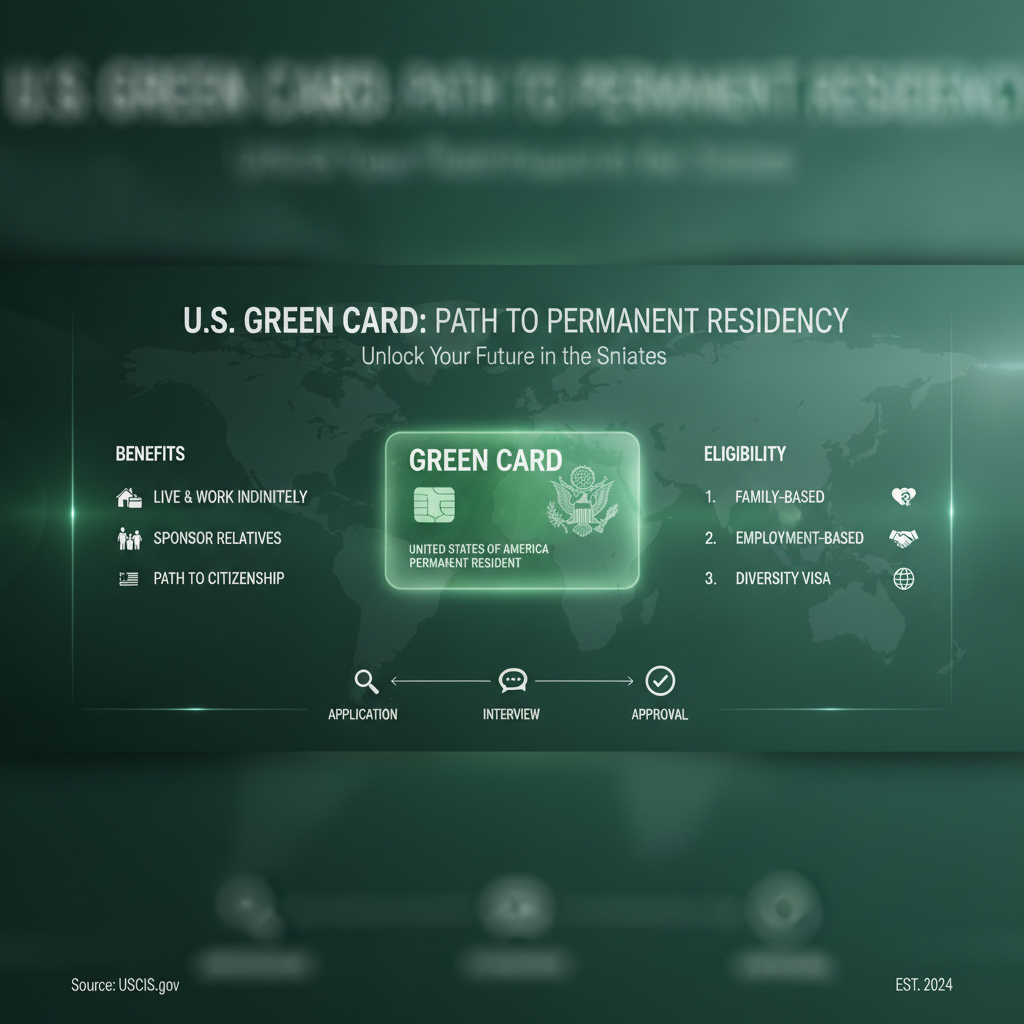
The constant stream of questions and concerns surrounding the Green Card interview process, frequently highlighted in immigration news, underscores its critical importance. This guide is inspired by the ongoing discussions and inquiries within the immigration community regarding effective preparation strategies, as reported across various legal news outlets:
Green Card Interview Preparation Tips (Immigration Law)
What This News Means for Immigrants in Orlando and Across Florida
The consistent focus on Green Card interview preparation in immigration news isn't just background noise; it's a direct reflection of the ongoing challenges and opportunities faced by applicants nationwide, including the vibrant immigrant communities across Florida.
Why this news is showing up now
Green Card interviews are a perennial topic in immigration law because they represent a decisive moment in an applicant’s journey. While the core process remains consistent, USCIS policies, processing times, and the nuances of what officers scrutinize can evolve. News and discussions around interview preparation often surge due to several factors:
- Continuous Application Volume: Thousands of individuals apply for Green Cards every month, meaning a constant flow of interviews. Each applicant seeks the best advice to succeed.
- Policy Shifts: Minor or major policy adjustments by USCIS can sometimes influence interview procedures or the types of evidence officers prioritize. Staying updated is key.
- Increased Scrutiny: In certain periods, there might be heightened scrutiny on specific types of applications (e.g., marriage-based petitions) to combat fraud, making thorough preparation even more critical.
- Applicant Anxiety: The interview is often perceived as the final hurdle, creating significant stress. Consequently, resources offering guidance are always in high demand.
- Digitalization and Efficiency Efforts: As USCIS continues to modernize, there's a constant effort to streamline processes, but the personal interview remains fundamental.
For these reasons, practical, actionable advice on how to prepare for your Green Card interview is always relevant and trending, reflecting a constant need for clarity and confidence among applicants.
How it can affect Florida residents
Florida is home to one of the largest and most diverse immigrant populations in the United States, with significant communities in cities like Orlando, Miami, Tampa, and Jacksonville. For residents across the Sunshine State, the insights gleaned from discussions on Green Card interview preparation are directly applicable:
- Orlando USCIS Field Office: If your case is in Orlando, your interview will likely take place at the local USCIS Field Office. Understanding the general interview environment and expectations discussed in broader immigration news helps you prepare specifically for the experience at this office. While federal law is applied uniformly, local offices manage the flow and specific scheduling.
- High Volume of Applicants: Central Florida, particularly Orlando, sees a substantial number of Green Card applications, especially family-based petitions. This high volume means that while wait times can fluctuate, the importance of submitting a complete and accurate application, and being perfectly prepared for the interview, cannot be overstated to avoid delays.
- Diverse Case Types: Florida’s immigrant population encompasses a wide array of Green Card categories—family-sponsored, employment-based, asylum-based, etc. While this guide focuses broadly on interview preparation, the principles apply across these diverse case types, with specific nuances for each.
- Local Legal Support: For Central Florida residents, having access to experienced local immigration attorneys, like those at Imigrar in Orlando, is invaluable. We understand not only the federal requirements but also the practicalities of navigating the local USCIS system, offering tailored advice and representation.
- Avoiding Delays: In a state with many applicants, any error or lack of preparation can lead to Requests for Evidence (RFEs) or even denials, significantly delaying the path to permanent residency. Proactive preparation, informed by expert guidance, is the best defense against such setbacks.
The news about Green Card interview preparation is a call to action for every Florida resident on this journey: be informed, be organized, and be prepared. Your future in the U.S. depends on it.
Need Help? Our Orlando immigration team is ready to assist. Call +1 786-791-3106 for a free consultation, or message us online. Se Habla Español.
What Green Card Interviews Are (and Why They Matter)
For many immigrants, the Green Card interview is the final, pivotal step before achieving lawful permanent resident status. It can feel like the culmination of years of waiting, paperwork, and anticipation. Understanding its purpose and what to expect is the first step toward successful preparation.
A plain-English definition
A Green Card interview is a mandatory meeting with a USCIS officer (or a consular officer if you're processing outside the U.S.) to verify the information provided in your application and to determine your eligibility for permanent residency. Think of it as a formal conversation where the officer confirms your identity, reviews your submitted documents, asks questions about your background, your family, your finances, and the basis of your petition (e.g., your marriage, your employment, your asylum claim), and ensures you meet all legal requirements to become a permanent resident. It's an opportunity for you to present your case clearly and truthfully.
Key terms you need to know
Navigating the immigration process requires familiarity with specific terminology. Here are some key terms related to your Green Card journey:
- Green Card: The common name for a Permanent Resident Card, which allows foreign nationals to live and work permanently in the United States.
- Permanent Resident: An individual who has been granted authorization to live and work permanently in the United States.
- Adjustment of Status (AOS): The process of applying for a Green Card from within the United States without having to return to your home country. This is typically done by filing Form I-485.
- Consular Processing: The process of applying for a Green Card through a U.S. embassy or consulate in your home country. This is managed by the U.S. Department of State.
- USCIS: U.S. Citizenship and Immigration Services, the federal agency responsible for administering the country's lawful immigration system, including Green Card applications and interviews. USCIS official website
- Petitioner: The U.S. citizen or lawful permanent resident who files an immigration petition on behalf of another individual (the beneficiary). For family-based Green Cards, this is often the sponsoring spouse or parent.
- Beneficiary: The foreign national who is seeking an immigration benefit, such as a Green Card, and for whom a petition has been filed.
- Affidavit of Support: A legal document (Form I-864) signed by a sponsor (usually the petitioner) to accept financial responsibility for the immigrant. This ensures the immigrant will not become a public charge.
- Priority Date: The date USCIS or the Department of State receives your family-based or employment-based petition. This date determines your place in the visa queue, especially for categories with annual numerical limits.
- Request for Evidence (RFE): A notice from USCIS asking for additional documents or information to support your application. An RFE can delay processing.
- Notice of Intent to Deny (NOID): A notice from USCIS indicating their intention to deny your application and providing you an opportunity to respond before a final decision is made.
The Green Card interview is not just a formality; it's a critical step that validates all the information submitted. It allows the officer to assess your credibility, confirm the authenticity of your relationship (if family-based), and ensure you meet all legal requirements. A well-prepared interview significantly increases your chances of approval and prevents unnecessary delays or, in the worst case, a denial.
Current Immigration Law: The Foundation
The Green Card interview process is governed by the Immigration and Nationality Act (INA), the cornerstone of U.S. immigration law. Understanding the legal framework behind your application is crucial for comprehensive preparation.
Federal requirements
The eligibility for a Green Card is primarily established under specific sections of the Immigration and Nationality Act (INA). Most Green Card applicants are seeking to adjust their status under INA Section 245(a) or enter the U.S. as immigrants under INA Section 212. Key federal requirements that USCIS officers evaluate during an interview include:
- Admissibility: Applicants must prove they are admissible to the United States. Grounds of inadmissibility, outlined in INA Section 212(a), include certain health-related issues, criminal history, security concerns, public charge concerns, and previous immigration violations. If you have any inadmissibility issues, you might require a waiver.
- Eligibility for the Specific Green Card Category: You must meet the criteria for the Green Card category you applied under. For example:
- Family-Based: For marriage-based Green Cards, the officer must be convinced that the marriage is bona fide (real and not entered into solely for immigration purposes) under INA Section 204(c). This is a primary focus of the interview.
- Employment-Based: You must demonstrate that you meet the qualifications for the job and that the sponsoring employer meets all requirements, including the ability to pay the offered wage.
- Asylum/Refugee: You must demonstrate continued eligibility and that the initial grant of asylum or refugee status was valid.
- Good Moral Character: While not a direct statutory requirement for all Green Card categories, USCIS often considers an applicant's good moral character, especially concerning criminal history or misrepresentation.
- Financial Support: For most family-based Green Cards and some employment-based ones, the applicant must demonstrate they will not become a "public charge" (reliant on government benefits). This is typically shown through an Affidavit of Support (Form I-864) from a qualifying sponsor.
- Medical Examination: All applicants must undergo a medical examination by a USCIS-approved civil surgeon (or panel physician abroad) to ensure they do not have certain communicable diseases or conditions that would make them inadmissible. The results are submitted on Form I-693.
The burden of proof lies with the applicant to demonstrate, through credible testimony and documentary evidence, that they meet all these federal requirements. This is why thorough preparation and accurate information are paramount.
Florida-specific considerations
While immigration law is federal, meaning the core requirements are the same nationwide, certain aspects can have a local flavor, especially concerning where and how your interview is conducted:
- Orlando USCIS Field Office: For most applicants residing in Central Florida, your Green Card interview will be scheduled at the Orlando USCIS Field Office. The officers here are well-versed in federal immigration law and apply it consistently. However, knowing your local office's procedures and potential processing times (which can vary from national averages) can be beneficial. You can check average processing times for the Orlando office on the USCIS Processing Times page.
- Local Resources: Florida has a robust network of immigrant support organizations and legal aid services. While these do not change federal law, they can provide valuable local assistance and referrals.
- No State-Specific Immigration Laws for Green Cards: It's important to clarify that Florida does not have its own state-specific immigration laws that dictate Green Card eligibility or the interview process. These are exclusively federal matters. However, state laws can impact other aspects of an immigrant's life, such as driver's licenses or access to certain state services.
Important: Always refer to official government sources for the most accurate and up-to-date information. The USCIS official website is your primary resource for forms, instructions, and policy updates. The U.S. Department of State website is crucial for those undergoing Consular Processing.
Don't risk delays! Our Orlando immigration lawyers can help you prepare for your Green Card interview and ensure all legal requirements are met. Call +1 786-791-3106 for a free consultation. Se Habla Español.

How to Prepare for Your Green Card Interview: A Complete Step-by-Step Guide
The Green Card interview is a pivotal moment, and thorough preparation is your greatest asset. Follow this step-by-step guide to ensure you are ready for every aspect of your interview.
1) Understand Your Case and Application
Before you can prepare for questions, you must be intimately familiar with every detail of your own immigration application. The USCIS officer will have your entire file in front of them, and your answers must be consistent with what you’ve already submitted.
- Review All Submitted Forms: Go through every form you and your petitioner (if applicable) have ever filed, including Form I-130 (Petition for Alien Relative), Form I-485 (Application to Register Permanent Residence or Adjust Status), Form I-765 (Application for Employment Authorization), Form I-131 (Application for Travel Document), and especially Form I-864 (Affidavit of Support). Highlight any dates, addresses, employment history, or personal details.
- Know Your Story: Be prepared to articulate your journey, how you met your spouse (for marriage-based petitions), your timeline in the U.S., and your reasons for seeking permanent residency.
- Understand the Basis of Your Petition: Whether it's marriage, employment, or another category, be ready to explain why you qualify. For marriage-based cases, this means being able to discuss your relationship in detail.
Required Documents for this Step:
- Copies of *all* immigration forms and petitions you have ever submitted to USCIS.
- Copies of any previous interview notices or correspondence from USCIS.
- Your personal timeline of significant events (e.g., meeting spouse, marriage date, entry to U.S.).
2) Gather All Required Original Documents
This is arguably the most critical practical step. The USCIS interview notice will typically list required documents, but it's wise to bring *all* documents that support your case, even if not explicitly listed. Always bring the originals, plus copies for the officer and a set for your own records.
- Identification and Travel Documents:
- Valid Passport (for both petitioner and beneficiary, if applicable)
- Birth Certificates (original, for both petitioner and beneficiary)
- National Identity Card (if applicable)
- Any previous travel documents (e.g., I-94 arrival/departure record, previous visas)
- Driver’s License or State ID (Florida ID for Orlando residents)
- Passport-style photos (check current USCIS specifications)
- Marriage-Based Specific Documents (if applicable):
- Original Marriage Certificate
- Divorce Decrees or Death Certificates for all prior marriages (for both spouses)
- Evidence of a Bona Fide Marriage (see Step 3 for details)
- Financial Documents:
- Original Form I-864 (Affidavit of Support) from your sponsor
- Sponsor’s federal income tax returns (most recent 3 years) with all W-2s and 1099s
- Sponsor’s pay stubs or employment verification letter
- Proof of assets (bank statements, property deeds, if needed to meet income requirements)
- Medical Examination:
- Original, sealed Form I-693 (Report of Medical Examination and Vaccination Record) from a USCIS-approved civil surgeon. If you submitted it previously, bring a copy and proof of submission.
- Police and Court Records:
- Certified copies of *all* arrest records, court dispositions, and police clearances, even for minor infractions or cases that were expunged.
- Proof of completion of any sentences or parole.
- Other Supporting Documents:
- Original birth certificates of any children (yours or your spouse's)
- Educational diplomas, transcripts
- Employment history letters, pay stubs
- Proof of any previous immigration benefits or applications.
Warning: Missing even one critical original document can lead to an RFE or a rescheduled interview, significantly delaying your case.
3) Organize Your Documents Thoroughly
A well-organized presentation makes a positive impression and helps the interview flow smoothly. USCIS officers appreciate efficiency.
- Create a Master Binder/Folder: Use a binder with dividers or separate folders.
- Label Categories Clearly: For example: "Identification," "Marriage Evidence," "Financial Documents," "Medical Exam," "Criminal Records," "Previous Applications."
- Arrange Chronologically: Within each category, arrange documents by date (most recent on top).
- Originals vs. Copies: Keep originals separate but easily accessible. Have a complete set of copies for the officer to keep, and another set for your own reference.
- Translations: Any document not in English must be accompanied by a certified English translation. The translator must provide a signed statement affirming their competence and the accuracy of the translation.
For Marriage-Based Petitions: Evidence of Bona Fide Marriage
This category requires meticulous organization. The officer needs to see proof that your marriage is real and ongoing. Bring as much as possible:
- Financial Commingling: Joint bank accounts (statements), joint credit cards, joint tax returns (most recent 3 years), joint investments, shared bills (utilities, rent/mortgage).
- Shared Living: Lease agreements or mortgage statements with both names, utility bills in both names, shared property deeds, mail addressed to both at the same address.
- Children: Birth certificates of any children born to the marriage.
- Insurance: Joint health, life, auto insurance policies naming each other as beneficiaries.
- Other Evidence: Photos together over time (with dates/context), affidavits from friends/family attesting to the marriage, travel itineraries/tickets from joint trips, wills naming each other, joint membership cards (gym, clubs).
- Communication: Call logs, text messages, emails, social media interactions (use sparingly and only if relevant, avoid excessive personal details unless directly requested).
Reminder: The more compelling and varied the evidence of your bona fide marriage, the stronger your case.
4) Practice Answering Questions
The interview is a conversation, but it's also an assessment. Practicing helps you articulate your answers clearly, concisely, and truthfully.
- Anticipate Common Questions:
- Personal Background: Your full name, date of birth, place of birth, parents' names, addresses, past immigration history.
- How You Met (Marriage-Based): Where, when, how the relationship developed, proposal, wedding details.
- Daily Life (Marriage-Based): Who cooks, cleans, manages finances, what you do on weekends, shared hobbies, future plans.
- Petitioner's Details: Spouse's full name, date of birth, place of birth, employment, parents' names.
- Immigration History: Dates of entry/exit, previous visas, any past immigration applications or denials.
- Criminal History: Even minor arrests, traffic violations, or expunged records.
- Inadmissibility Questions: Questions related to health, security, public charge, or previous immigration violations.
- Practice with a Friend or Attorney: Have someone ask you questions, simulating the interview environment. This helps identify areas where you might hesitate or provide inconsistent answers.
- Be Truthful and Consistent: Your answers must align with your submitted application forms. Any discrepancies can raise red flags.
- Listen Carefully: Don't jump to conclusions. Listen to the entire question before answering. If you don't understand, politely ask for clarification.
- Do Not Volunteer Information: Answer the question asked, directly and truthfully. Do not provide extraneous details unless specifically prompted.
5) Dress Professionally and Arrive Early
First impressions matter. Treating the interview as a formal meeting demonstrates your respect for the process and the officer.
- Dress Code: Opt for conservative, professional attire (e.g., business casual). Avoid overly casual clothing.
- Plan Your Travel: If your case is in Orlando, factor in local traffic, especially during peak hours on the I-4 corridor. Aim to arrive at the Orlando USCIS Field Office at least 30 minutes before your scheduled appointment.
- Bring Interview Notice: You will need your official interview notice to enter the USCIS building.
- Limit Companions: Only the applicant(s), petitioner (if required), and attorney are typically allowed. Children may be allowed but check the specific instructions. Avoid bringing additional family or friends unless they are essential witnesses or require special accommodation.
6) During the Interview: Be Honest, Calm, and Respectful
The interview itself is a test of your credibility and composure.
- Be Punctual: Arriving late can lead to a rescheduled interview or even a denial.
- Be Respectful: Address the officer politely, maintain eye contact, and listen attentively.
- Answer Truthfully: Always be honest. Lying or misrepresenting facts can lead to a permanent bar from the U.S.
- Answer Directly: Provide clear, concise answers to the questions. Avoid rambling.
- Request Clarification: If you don't understand a question, politely say, "Could you please rephrase that question?" or "I don't understand, could you explain?"
- Correct Mistakes: If you realize you've made a mistake in your application or a previous answer, politely correct it and explain why.
- Sign Documents: The officer may ask you to review and sign various documents, including your original application forms. Read them carefully before signing.
- Remain Calm: It's natural to be nervous, but try to remain calm and composed. Take deep breaths if needed.
- Interpreter: If you requested an interpreter, ensure they are translating accurately. If you speak some English but are more comfortable in Spanish (Se Habla Español), make sure this is clear from the start.


