


The reporting that sparked this guide
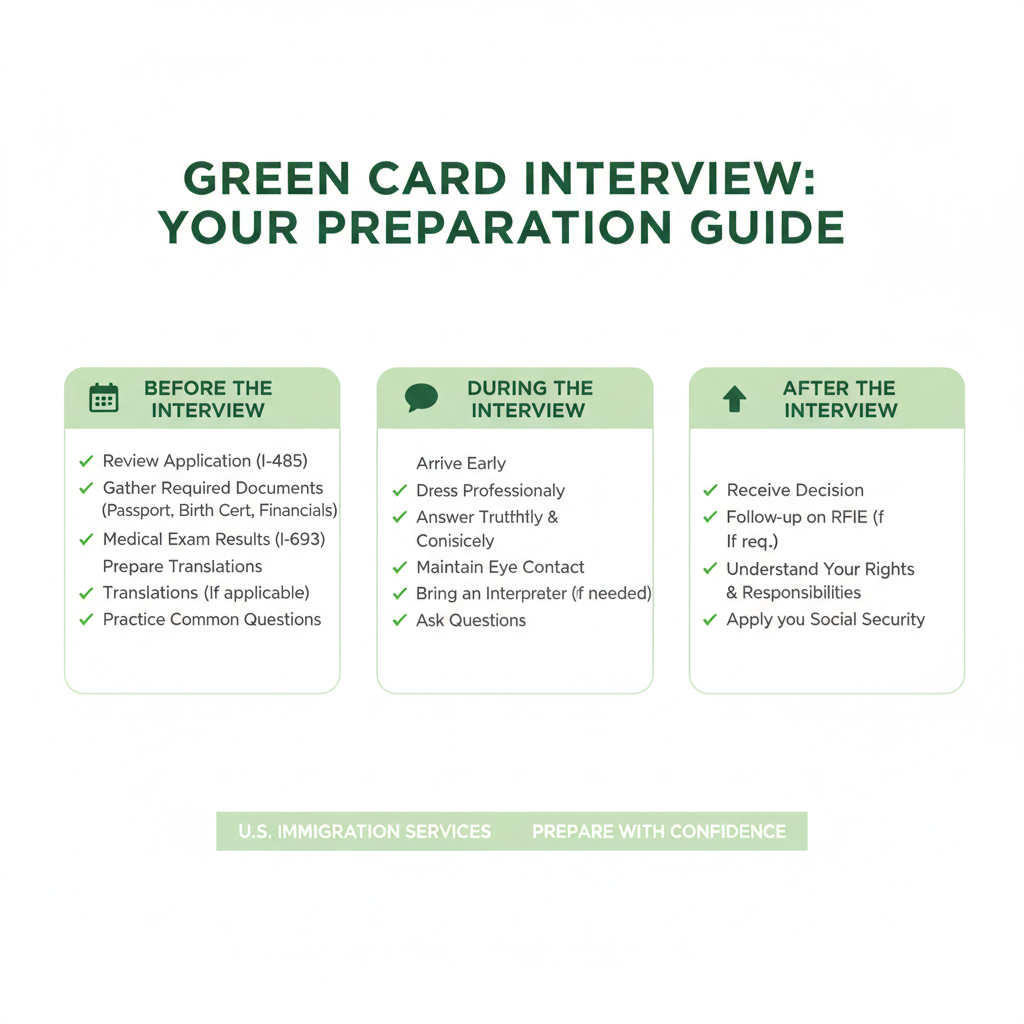
The immigration landscape is constantly evolving, and staying informed is crucial for anyone pursuing a Green Card. Recent discussions and trends highlighted in various legal news outlets underscore the importance of thorough preparation for the Green Card interview. This guide is inspired by the ongoing emphasis on applicant readiness, as reflected in reports such as: Green Card Interview Preparation Tips (Immigration Law)
What This News Means for Immigrants in Orlando and Across Florida
The Green Card interview is a pivotal moment in the immigration journey for countless individuals and families. The recurring focus on preparation tips in immigration news isn't just background noise; it's a direct signal to applicants that thoroughness and attention to detail are paramount. For those living in Orlando, across Florida, or anywhere in the U.S., understanding what to expect and how to prepare can significantly impact the outcome of your application.
Why this news is showing up now
Immigration processes, while striving for efficiency, are inherently complex and demand a high level of scrutiny from U.S. Citizenship and Immigration Services (USCIS). The continuous emphasis on Green Card interview preparation reflects several ongoing realities:
- Increased Scrutiny: USCIS officers are trained to identify potential issues, inconsistencies, or red flags in applications. A well-prepared applicant can effectively address these concerns.
- Complexity of Cases: As immigration laws evolve, cases can become more intricate, requiring applicants to present their information clearly and comprehensively.
- Backlogs and Processing Times: While processing times fluctuate, a thoroughly prepared application and interview can help prevent delays or requests for additional evidence (RFEs), which can add months to the process.
- Preventing Fraud: USCIS is vigilant in preventing immigration fraud. Demonstrating the legitimacy of your relationship or basis for your Green Card requires strong documentation and consistent testimony.
This ongoing coverage serves as a vital reminder that the interview is not a mere formality but a critical stage where your eligibility is confirmed.
How it can affect Florida residents
For individuals residing in Florida, particularly those in the bustling Orlando metropolitan area, the implications of these preparation tips are highly relevant. Florida is a diverse state with a significant immigrant population, and many residents will interact with USCIS field offices in cities like Orlando, Miami, and Tampa. Here’s how this focus on preparation directly impacts Florida residents:
- Orlando USCIS Field Office: If you are applying for Adjustment of Status within the U.S. and live in Central Florida (including Orange County, Seminole County, Osceola County, etc.), your interview will likely be scheduled at the Orlando USCIS Field Office. Knowing what to expect and preparing adequately for this specific location’s procedures is crucial.
- Diverse Case Types: Florida sees a wide array of Green Card applications, from family-based petitions (spouses, parents, children) to employment-based and asylum-based cases. Each type has unique interview considerations, making generalized preparation tips universally valuable.
- Local Legal Support: The availability of experienced immigration attorneys in Orlando, like Imigrar, becomes even more critical. Local counsel understands the nuances of the Orlando field office and can provide tailored advice.
- Avoiding Delays: Florida’s immigration courts and USCIS offices often have heavy caseloads. A well-prepared interview can help streamline your process, avoiding unnecessary RFEs or follow-up appointments that can extend your wait time.
At Imigrar, we understand the unique challenges and opportunities faced by immigrants in Florida. Our goal is to ensure you are not just prepared, but confident, for every step of your Green Card journey.
Need Help? Navigating the Green Card interview process can be complex. Our Orlando immigration team is ready to assist. Call +1 786-791-3106 for a free consultation, or message us online. Se Habla Español.
What Green Card Interview Preparation Is (and Why It Matters)
The Green Card interview is a mandatory step for most individuals seeking lawful permanent residence in the United States, whether through Adjustment of Status (applying from within the U.S.) or Consular Processing (applying from outside the U.S.). It’s a formal meeting with an immigration officer who will review your application, verify your eligibility, and ask questions to ensure you meet all legal requirements for a Green Card.
A plain-English definition
Simply put, the Green Card interview is your chance to prove to the U.S. government that you deserve to become a permanent resident. It’s where you personally present your case, answer questions about your application, and provide original documents to support your claims. Think of it as the final exam after submitting all your coursework. The purpose is for the immigration officer to confirm the accuracy of the information you’ve provided, assess your credibility, and determine if there are any grounds of inadmissibility that would prevent you from receiving a Green Card.
Key terms you need to know
Understanding these terms will help you navigate the process:
- Green Card: The common name for a Permanent Resident Card, which proves you are authorized to live and work permanently in the United States.
- Adjustment of Status (AOS): The process of applying for lawful permanent resident status (a Green Card) while physically present in the United States. This is contrasted with Consular Processing.
- Consular Processing: The process of applying for an immigrant visa at a U.S. embassy or consulate abroad, which allows you to enter the U.S. as a permanent resident.
- Petitioner: The U.S. citizen or lawful permanent resident who files an immigration petition on behalf of a foreign national (e.g., a spouse, parent, or employer).
- Beneficiary: The foreign national who is seeking an immigration benefit (e.g., a Green Card) based on a petition filed on their behalf.
- USCIS: U.S. Citizenship and Immigration Services, the government agency responsible for processing immigrant petitions and applications.
- RFE (Request for Evidence): A written notice from USCIS asking for additional documents or information to support your application. This can delay your case.
- NOID (Notice of Intent to Deny): A notice from USCIS stating their intention to deny your application, usually providing a deadline to submit a response and additional evidence to overcome the denial.
- Affidavit of Support: A legally binding document (Form I-864) signed by a sponsor (usually the petitioner) to accept financial responsibility for the immigrant.
- Priority Date: The date USCIS receives your immigrant visa petition. This date is used to determine when an immigrant visa becomes available for certain visa categories.
Preparing for this interview is not just about memorizing answers; it's about thoroughly understanding your own case, organizing your documents, and being ready to articulate your story truthfully and consistently. It matters because it is often the final hurdle before achieving your dream of permanent residency in the U.S., allowing you to Keep Families Together.
Current Immigration Law: The Foundation
The Green Card interview is conducted under the authority of the Immigration and Nationality Act (INA), the bedrock of U.S. immigration law. This act, along with its various amendments and regulations, establishes the criteria for who can become a lawful permanent resident and how that status is obtained. Understanding the legal framework helps demystify the interview process.
Federal requirements
Regardless of where you apply, federal law sets the fundamental requirements for Green Card eligibility. The immigration officer conducting your interview will be assessing your case against these federal statutes and regulations. Key aspects include:
- Eligibility Category: You must qualify under an eligible Green Card category, such as family-based (e.g., immediate relative of a U.S. citizen, family preference categories), employment-based, asylum/refugee status, or diversity visa. Each category has specific criteria defined by the INA.
- Admissibility: Applicants must prove they are "admissible" to the United States. This means you must not fall under any grounds of inadmissibility, which can include certain criminal convictions, health issues, immigration violations, or security risks. In some cases, waivers (e.g., Form I-601, Form I-601A) may be available.
- Bona Fide Relationship/Basis: For family-based Green Cards (e.g., marriage-based), you must demonstrate a legitimate, "bona fide" relationship. For employment-based, you must prove the job offer and your qualifications are genuine.
- Financial Support: Most family-based immigrants and some employment-based immigrants require an Affidavit of Support (Form I-864) to show they will not become a public charge. The sponsor must meet specific income thresholds.
- Proper Documentation: All required forms and supporting documents, such as birth certificates, marriage certificates, police clearances, medical exam results (Form I-693), and financial records, must be submitted and presented.
The primary forms you will interact with for most Adjustment of Status cases are:
- Form I-130, Petition for Alien Relative: Filed by a U.S. citizen or Green Card holder to establish a qualifying relationship with a foreign relative.
- Form I-485, Application to Register Permanent Residence or Adjust Status: The primary application for a Green Card filed by the immigrant beneficiary within the U.S.
- Form I-765, Application for Employment Authorization: Often filed concurrently with Form I-485 to obtain work authorization while the Green Card application is pending.
- Form I-131, Application for Travel Document: Often filed concurrently with Form I-485 to obtain advance parole (permission to travel outside the U.S. and return) while the Green Card application is pending.
For detailed information and to download forms, always refer to the USCIS official website.
Florida-specific considerations
While federal law governs the underlying eligibility, certain aspects can have Florida-specific considerations:
- Jurisdiction: If you reside in Central Florida, your interview will be scheduled at the Orlando USCIS Field Office. Understanding the local office's typical procedures and interview styles can be an advantage.
- Local Resources: Access to qualified immigration attorneys in Orlando and across Florida who are familiar with local court systems and USCIS field offices is invaluable.
- State-Specific Documents: While not directly impacting federal immigration law, Florida state documents (e.g., Florida driver’s licenses, state tax returns, utility bills for proof of residence) will be part of your supporting evidence.
- Marriage Licenses/Certificates: For marriage-based Green Cards, your Florida marriage license and certificate will be crucial evidence of your marital union.
It's important to remember that state laws generally do not dictate federal immigration policy, but your local residence in Florida impacts where you file and where your interview takes place. Imigrar is deeply familiar with these local nuances, offering specialized advice to Orlando and Florida residents.
How to Prepare for Your Green Card Interview: A Complete Step-by-Step Guide
The Green Card interview is a critical step, and proper preparation can significantly increase your chances of a successful outcome. Follow this detailed guide to ensure you’re ready.
1) Understand Your Application & Basis for the Green Card
Before you do anything else, thoroughly review every form you submitted for your Green Card application, particularly Form I-130 (if applicable) and Form I-485. You should be intimately familiar with every answer, date, and detail you provided. The immigration officer will use your submitted application as the primary reference for their questions.
- Review All Submitted Forms: Read through your completed Form I-130, Form I-485, and any other supporting forms (like Form I-864). Identify any potential inconsistencies or areas that might need clarification.
- Understand Your Eligibility Category: Be clear on the specific basis for your Green Card (e.g., marriage to a U.S. citizen, parent of a U.S. citizen, employment sponsorship).
- Memorize Key Dates: Know dates of birth, marriage, divorce, entry into the U.S., and any significant events mentioned in your application.
- Prepare for Personal Questions: For marriage-based Green Cards, expect questions about how you met, your daily life, your spouse's family, shared finances, and future plans. For other categories, be ready to discuss your qualifications, job duties, or reasons for seeking asylum.
Reminder: The officer is looking for consistency between your written application and your oral testimony. Any discrepancies can raise red flags.
2) Gather and Organize All Original Documents (and Copies)
This is arguably the most crucial step. You must bring all original documents that you previously submitted copies of, plus any new documents that have become available since filing. Organize them meticulously in a binder or folder, clearly labeled.
- Required Documents (General):
- Your interview notice (Form I-797C).
- Your passport (valid and any expired ones).
- Your birth certificate (original and translation, if applicable).
- Your marriage certificate (original and translation, if applicable).
- Any divorce decrees or death certificates for previous spouses (original and translation, if applicable).
- Original copies of Form I-130, Form I-485, Form I-864, Form I-693 (if not already submitted in a sealed envelope), and any other forms you filed.
- Employment Authorization Document (EAD) and Advance Parole document (if you have them).
- Your E-Notification or receipt notices (Form I-797).
- Two passport-style photos (even if you submitted them already).
- Proof of entry into the U.S. (e.g., I-94 arrival/departure record).
- Specific Documents for Family-Based Petitions (especially marriage-based):
- Proof of Bona Fide Marriage:
- Joint bank account statements (12-24 months)
- Joint utility bills (electric, water, internet)
- Joint lease agreements or mortgage statements
- Joint tax returns (past 2-3 years)
- Insurance policies (health, life, auto) naming each other as beneficiaries
- Children's birth certificates (if any)
- Photos of you together (wedding, holidays, with family/friends, over time)
- Correspondence (emails, texts, cards)
- Travel itineraries or tickets from joint trips
- Affidavits from friends/family attesting to your relationship.
- Sponsor's Financial Documents:
- Most recent federal tax returns (1040s) and W-2s/1099s.
- Pay stubs (most recent 6 months).
- Letter from employer verifying employment and salary.
- Proof of Bona Fide Marriage:
- Specific Documents for Employment-Based Petitions:
- Original offer letter.
- Educational degrees, transcripts, certifications.
- Professional licenses.
- Letters of recommendation.
- Employment verification letters.
Important: Bring both originals and a complete set of photocopies of *everything*. The officer may keep the copies and return your originals. Keep your medical exam (Form I-693) in its sealed envelope if you haven’t submitted it yet.
3) Practice Your Interview Responses
While you shouldn't memorize answers verbatim, practicing helps you articulate clearly and confidently. Focus on answering truthfully and consistently with your application.
- Review Potential Questions: Anticipate questions related to your application, personal history, and the basis of your Green Card. For marriage-based interviews, expect detailed questions about your relationship, daily life, and shared experiences.
- Practice with Your Spouse/Petitioner: If it’s a joint interview, practice together. Ensure your stories align on key facts without sounding rehearsed.
- Be Honest: Always tell the truth, even if it feels uncomfortable. Inconsistencies or perceived dishonesty can lead to serious problems.
- Know Your Rights: Understand that you have the right to an attorney present, and you don’t have to answer questions that are irrelevant or make you uncomfortable without legal counsel.
Tip: If you have an attorney, they will conduct a mock interview with you, which is invaluable for preparation.
Need Expert Guidance? Don't face your Green Card interview alone. Imigrar provides comprehensive preparation and representation for clients in Orlando and nationwide. Call us at +1 786-791-3106 for a free consultation. Se Habla Español.
4) Dress Appropriately and Arrive Early
First impressions matter. Treat the interview as a professional meeting.
- Dress Professionally: Business casual or professional attire is recommended. It shows respect for the process and the officer.
- Arrive Early: Plan to arrive at the Orlando USCIS Field Office (or your assigned location) at least 30-45 minutes before your scheduled time. This allows for security checks, finding parking, and settling any last-minute nerves. Being late can lead to rescheduling or even denial.
- Bring Your Attorney: If you have retained an attorney from Imigrar, they will accompany you and provide support throughout the interview.
5) During the Interview: Demeanor and Communication
Your conduct during the interview is as important as your documentation.
- Be Polite and Respectful: Address the officer respectfully.
- Listen Carefully: Pay close attention to each question before answering. Don't interrupt.
- Answer Truthfully and Concisely: Answer only the question asked. Do not volunteer extra information unless it directly clarifies your answer. If you don't know an answer, say so honestly.
- Speak Clearly: If English is not your first language, speak slowly and clearly. An interpreter may be provided if you requested one on your application (Form I-485, Part 2, Item 2), or your attorney can assist.
- Correct Mistakes: If you realize you made an error on your application, politely inform the officer and explain the correction.
- Don't Argue: If the officer asks challenging questions, remain calm and composed. Your attorney can intervene if questions become inappropriate or repetitive.
- Provide Originals When Asked: Only hand over original documents when specifically requested by the officer.
Warning: Never attempt to bribe an officer or provide false information. This can lead to immediate denial and severe legal consequences, including deportation and permanent bars from the U.S.
6) What Happens After the Interview
The outcome of your interview is usually not immediate.
- Possible Outcomes:
- Approval: The officer may approve your case on the spot, or you may receive a notice of approval by mail within a few weeks. Your Green Card will typically arrive within 2-4 weeks after approval.
- Request for Evidence (RFE): If the officer needs more information or documents, they will issue an RFE, usually giving you a deadline (e.g., 30 to 90 days) to respond.
- Notice of Intent to Deny (NOID): If the officer believes your case is not approvable, they may issue a NOID, giving you a chance to explain why it should be approved.
- Denial: In some cases, the application may be denied. You will receive a written explanation and information on appeal rights.
- Conditional Green Card: If you are applying for a Green Card based on marriage and your marriage is less than two years old at the time of approval, you will receive a 2-year conditional Green Card. You will then need to file Form I-751, Petition to Remove Conditions on Residence, within the 90-day window before your conditional Green Card expires.
Be patient after the interview. If you don't hear back within a reasonable timeframe (check USCIS Processing Times), your attorney can help inquire about the status.
Practical Steps You Can Take Today
Don't wait until the last minute to start preparing. Here’s an actionable checklist to begin your Green Card interview preparation immediately.
Actionable Checklist:
- Review Your Application: Print out all submitted forms (Form I-130, Form I-485, etc.) and read them thoroughly. Highlight any areas you need to clarify or gather more evidence for.
- Start a "Green Card Interview" Binder: Create a physical binder with dividers for each category of documents (e.g., "Personal ID," "Marriage Proof," "Financial," "Medical").
- Obtain Originals: Identify every document for which you only have a copy and work on getting the original. This includes birth certificates, marriage certificates, divorce decrees, etc.
- Gather New Evidence: Collect any new evidence that has accumulated since you filed your application. For marriage-based cases, this means new joint bills, photos, tax returns, etc.
- Schedule a Mock Interview (with your attorney): If you have legal representation, ask for a mock interview to practice answering questions and identify weak spots.
- Check USCIS Processing Times: Regularly check the USCIS Processing Times website for your specific field office (e.g., Orlando) and form type to get an estimate of when your interview might be scheduled.
- Update Your Address: Ensure USCIS has your current mailing address. File Form AR-11, Alien’s Change of Address Card, if you've moved.
Document Preparation Guidance:
- Make Copies: Always make at least two sets of copies for every original document. One set for the officer, one set for your records.
- Translate Foreign Documents: Any document not in English must be accompanied by a certified English translation. The translator must certify that they are competent to translate and that the translation is accurate.
- Organize Chronologically: For financial statements, utility bills, and other dated documents, arrange them in chronological order (either oldest to newest or newest to oldest, just be consistent).
- Label Clearly: Label each section of your binder so you can quickly retrieve specific documents during the interview.
Timeline Expectations:
The timeline for receiving an interview notice and the interview itself can vary significantly based on your application type, the specific USCIS field office (e.g., Orlando), and current USCIS caseloads.
- Interview Scheduling: After filing Form I-485 and attending your biometrics appointment, it can take anywhere from a few months to over a year to receive your interview notice. Check the USCIS Processing Times tool for current estimates.
- Notice Period: Typically, USCIS sends interview notices at least 30 days in advance, but sometimes it can be shorter.
- After the Interview: As mentioned, approval may be immediate, or it could take several weeks or months to receive a decision or your Green Card. Conditional Green Cards are valid for 2 years, requiring a subsequent filing of Form I-751 within the 90-day window before expiration.
Important: Be prepared for potential delays. The immigration process requires patience, but proactive preparation can help minimize unnecessary setbacks.
How Imigrar Helps Immigrants in Orlando
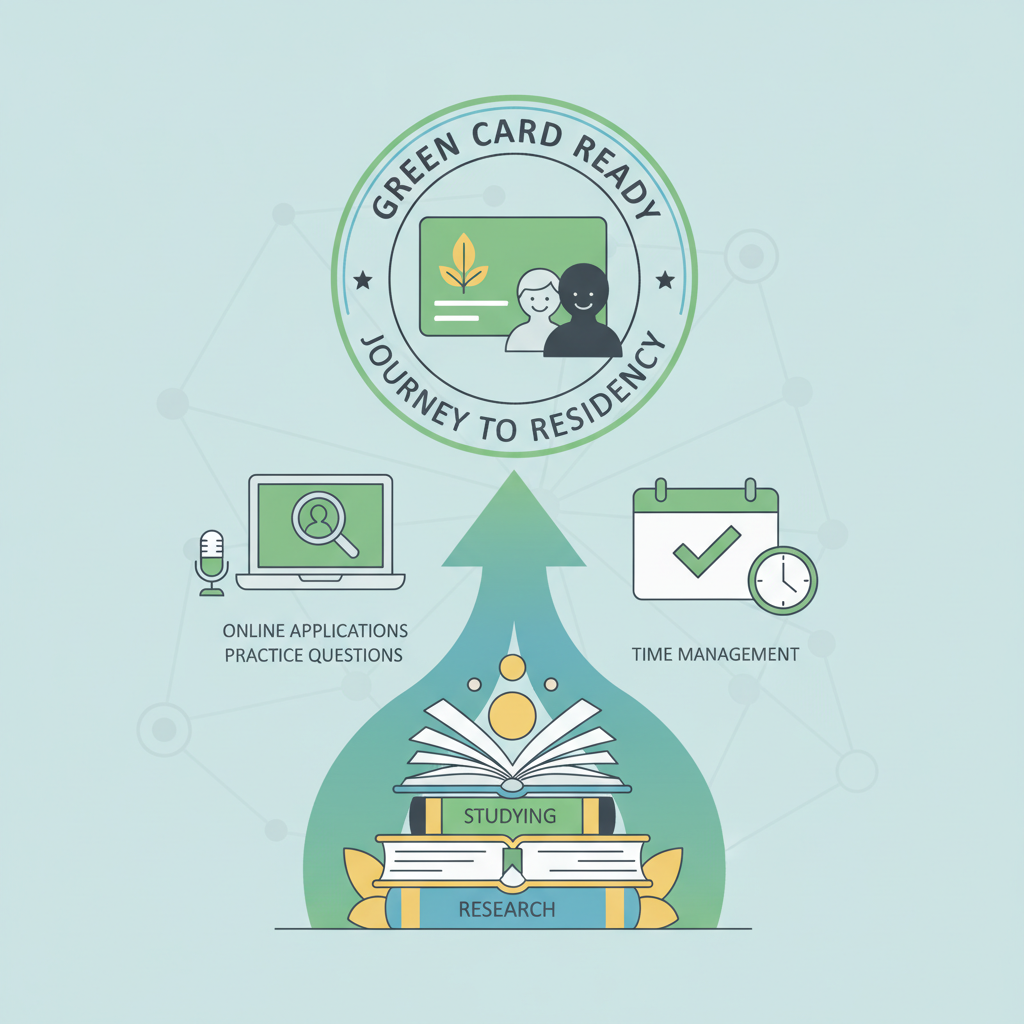
At Imigrar, we understand that the Green Card interview is often the culmination of years of waiting, hoping, and diligently preparing. Our mission, "Keep Families Together," drives our commitment to providing expert legal guidance and compassionate support through every stage of the immigration process, especially for crucial steps like the Green Card interview.
Our experience and expertise
Our team of dedicated immigration attorneys in Orlando brings extensive experience in navigating the complexities of U.S. immigration law. We specialize in family-based immigration, adjustment of status, and consular processing, areas where the Green Card interview is central. Our expertise includes:
- Comprehensive Case Review: We meticulously review your entire application package (Form I-130, Form I-485, supporting documents) to identify any potential issues or areas for strengthening before your interview.
- Personalized Interview Preparation: We conduct thorough mock interviews, asking questions similar to those you'll face from the USCIS officer. We provide specific feedback on your answers, demeanor, and document organization. For marriage-based cases, we ensure both spouses are fully prepared and consistent.
- Document Organization: We help you organize your original documents and copies in a clear, accessible manner, ensuring nothing is missed and you can quickly present evidence when requested.
- Attorney Representation: One of our experienced attorneys will accompany you to your Green Card interview at the Orlando USCIS Field Office, or other locations if applicable. Having legal counsel present can provide immense peace of mind, ensure your rights are protected, and allow your attorney to clarify issues or object to inappropriate questions.
- Post-Interview Follow-Up: If USCIS issues an RFE or NOID, we will help you prepare a comprehensive and timely response to address their concerns.
We are deeply familiar with the procedures and expectations of the Orlando USCIS Field Office, giving our Central Florida clients a distinct advantage. Our goal is to empower you with the knowledge and confidence to succeed.
Free consultation offer
We believe everyone deserves access to quality legal advice. That’s why Imigrar offers a free initial consultation to discuss your Green Card interview preparation needs. This is an opportunity for you to:
- Share the details of your case.
- Ask questions about the interview process.
- Understand how Imigrar can specifically assist you.
- Receive an honest assessment of your situation.
There's no obligation, just a chance to gain clarity and explore your options. Our team is here to provide the support you need.
Se Habla Español. We proudly serve the diverse communities of Florida and across the nation, ensuring language is never a barrier to expert legal representation.
Ready to Prepare? Contact Imigrar today for your free consultation. Call +1 786-791-3106 or reach out online. Let us help you confidently face your Green Card interview. Se Habla Español.
You may also be interested in: Understand the critical H-1B visa lottery changes for FY2027. Imigrar provides a comprehensive guide for immigrants in Orlando and nationwide.... Navigate the family-based immigration process in Orlando, Florida, with our step-by-step guide. Learn about I-130 petitions, Green Cards, and keeping ... Understand the step-by-step process for family-based immigration petitions in 2026. This guide covers eligibility, forms, timelines, and how Imigrar h... Understand the critical H-1B visa lottery changes for FY2027 and how these new rules impact aspiring high-skilled workers and employers....Related Articles


