


The H-1B visa program is a cornerstone of the U.S. economy, enabling American employers to hire highly skilled foreign workers in specialty occupations. For countless immigrants and their families in Orlando, across Florida, and throughout the nation, securing an H-1B visa is a critical step towards achieving their professional and personal dreams. However, the demand for H-1B visas consistently outstrips the annual supply, leading to a highly competitive lottery system. With each fiscal year, the U.S. Citizenship and Immigration Services (USCIS) refines its processes, and the upcoming Fiscal Year 2027 (FY2027) is no exception, bringing with it significant changes that require careful attention.
Navigating complex H-1B changes can be daunting. Don't face the FY2027 lottery alone. Our Orlando immigration team is ready to assist. Call +1 786-791-3106 for a free consultation, or message us online. Se Habla Español.
NEWS SOURCE REFERENCE SECTION
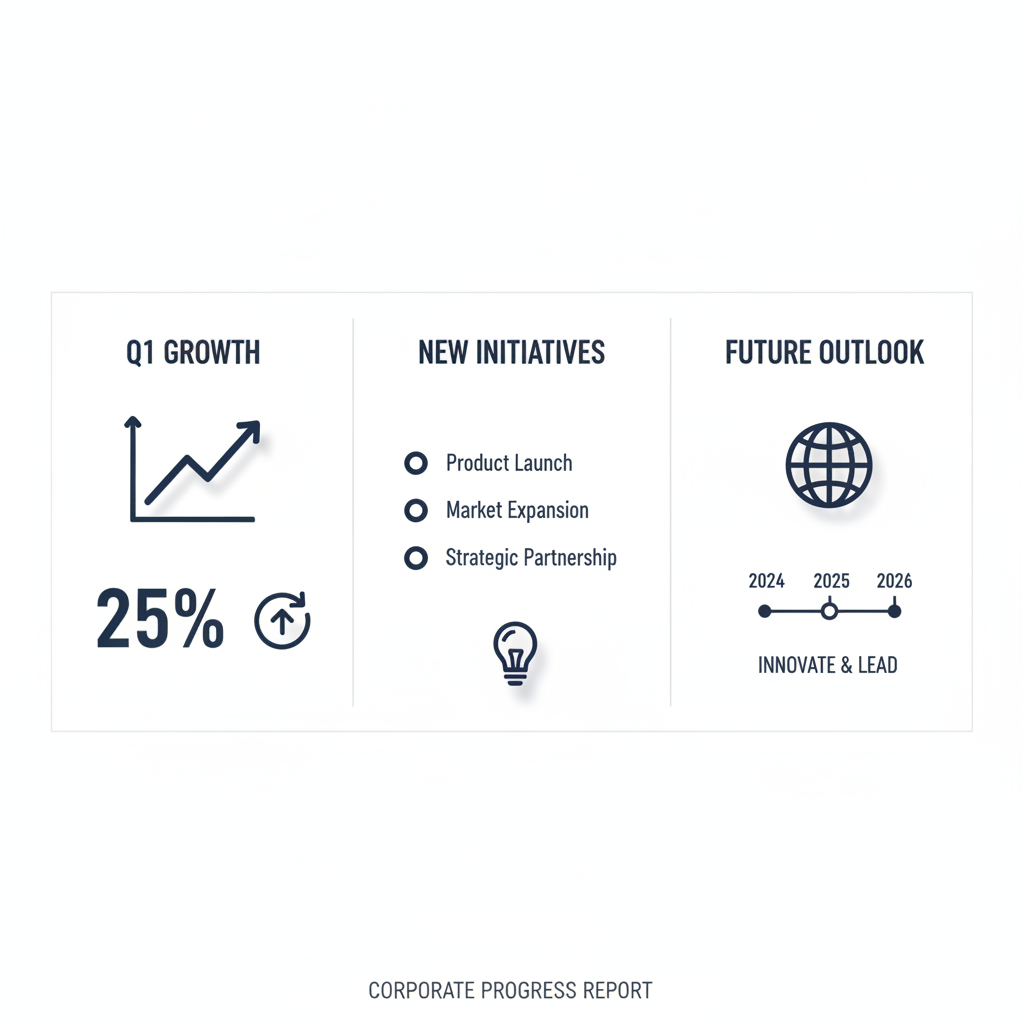
The reporting that sparked this guide: H-1B Visa Lottery Changes for FY2027 (Legal News)
What This News Means for Immigrants in Orlando and Across Florida
The landscape of U.S. immigration law is constantly evolving, and for those pursuing professional opportunities in the United States, staying informed is paramount. The recent announcements regarding the H-1B visa lottery changes for FY2027 are particularly significant, impacting thousands of prospective workers and their sponsoring employers.
Why this news is showing up now
As of August 19, 2026, the anticipation for the FY2027 H-1B cap season is building. USCIS typically releases details about upcoming H-1B lottery procedures, fee adjustments, and integrity measures well in advance of the registration period, which usually opens in March of the preceding fiscal year (so, March 2027 for FY2027). This allows employers and beneficiaries ample time to prepare. The legal news outlets are actively reporting on these proposed and confirmed changes, stemming from USCIS policy updates, final rules, and official announcements aimed at enhancing the lottery's integrity and efficiency. These updates are a direct response to past lottery seasons that saw unprecedented numbers of registrations, leading to concerns about fraud and system abuse. The agency's goal is to ensure a fair and equitable process for all eligible applicants.
How it can affect Florida residents
Florida, particularly the Orlando metropolitan area and the I-4 corridor, is a rapidly growing hub for technology, healthcare, tourism, and aerospace industries. Companies in these sectors frequently rely on the H-1B program to fill specialized roles that require specific expertise. For Florida residents, especially those on F-1 OPT (Optional Practical Training) or L-1 visas, and for international graduates from universities like the University of Central Florida (UCF), the University of Florida, and Florida International University, these H-1B changes can have a direct and profound impact. The new rules, particularly those related to the "beneficiary-centric" selection process and enhanced integrity measures, aim to level the playing field. This could mean a more transparent lottery for genuine applicants, but it also demands stricter adherence to documentation and eligibility requirements. For employers in Orlando and other Florida cities, understanding these changes is crucial for successful talent acquisition and compliance, ensuring they don't inadvertently jeopardize their sponsored employees' chances.
Confused about the H-1B changes for FY2027? Imigrar has the expertise to guide you. Call +1 786-791-3106 for a free consultation, or message us online. Se Habla Español.
What H-1B Visa Lottery Changes for FY2027 Is (and Why It Matters)
The H-1B visa is a nonimmigrant visa that allows U.S. employers to temporarily employ foreign workers in specialty occupations. These occupations generally require a bachelor's degree or higher in a specific field. The H-1B program is vital for American competitiveness and for individuals seeking to contribute their skills to the U.S. economy. However, because the number of available H-1B visas is capped annually, a lottery system is frequently used to select eligible registrations.
A plain-English definition
Imagine a highly sought-after concert where tickets are limited. Instead of first-come, first-served, everyone interested puts their name in a hat, and names are randomly drawn until all tickets are gone. That's essentially the H-1B lottery. "H-1B Visa Lottery Changes for FY2027" refers to the specific modifications USCIS is implementing for the lottery that will decide who gets to apply for an H-1B visa for the fiscal year starting October 1, 2026. These changes are designed to make the lottery fairer, reduce fraud, and streamline the process, primarily focusing on ensuring that each eligible applicant has an equal chance, regardless of how many employers register for them. The most significant change, which began in previous fiscal years and is solidified for FY2027, is the shift to a beneficiary-centric selection process. This means that instead of multiple registrations for one person increasing their chances, the selection is based on each unique beneficiary, regardless of how many employers register for them.
Key terms you need to know
- H-1B Cap-Subject: Refers to H-1B visas subject to the annual numerical limits (caps) set by Congress. Currently, this is 65,000 for the regular cap and an additional 20,000 for the U.S. Master's Cap.
- Cap-Exempt: Certain employers (e.g., universities, non-profit research organizations) are exempt from the annual cap.
- Beneficiary: The foreign worker who is seeking the H-1B visa.
- Petitioner: The U.S. employer who is sponsoring the foreign worker.
- H-1B Registration Period: A specific window, typically in March, when employers electronically submit registrations for prospective H-1B beneficiaries. This is the first step in the lottery process.
- Lottery Selection: The random drawing conducted by USCIS if the number of registrations exceeds the available annual cap.
- FY2027: Fiscal Year 2027, which begins on October 1, 2026, and ends on September 30, 2027. H-1B visas selected in the FY2027 lottery will have an effective start date of October 1, 2026, at the earliest.
- LCA (Labor Condition Application): Form ETA-9035. An application filed with the Department of Labor (DOL) by the employer, attesting to certain wage and working conditions for H-1B employees. This must be certified before filing the H-1B petition.
- Beneficiary-Centric Selection: The new system where each unique beneficiary is entered into the lottery only once, regardless of the number of registrations submitted on their behalf. If selected, all registrations submitted for that beneficiary are considered selected. This is a critical change for FY2027.
- Premium Processing: An optional service offered by USCIS for certain petitions, including H-1B, which guarantees processing within 15 calendar days for an additional fee. This service is available after a petition has been filed and receipted.
Current Immigration Law: The Foundation
The H-1B visa program is governed primarily by the Immigration and Nationality Act (INA). Specifically, Section 101(a)(15)(H)(i)(b) of the INA defines the H-1B nonimmigrant classification, and Section 214(g) sets the annual numerical limitations (the cap).
Federal requirements
To qualify for an H-1B visa, both the employer and the employee must meet specific federal requirements:
- For the Employer (Petitioner):
- Must offer a "specialty occupation" position, meaning it requires a theoretical and practical application of a body of highly specialized knowledge and a bachelor's or higher degree in the specific specialty (or its equivalent) as a minimum for entry into the occupation.
- Must file and obtain certification for a Labor Condition Application (LCA), Form ETA-9035, from the Department of Labor. This attests that the employer will pay the H-1B worker at least the prevailing wage for the occupation in the area of intended employment or the actual wage paid to other employees with similar experience and qualifications, whichever is higher, and provide working conditions that will not adversely affect other workers.
- Must have a genuine job offer for the beneficiary.
- For the Employee (Beneficiary):
- Must hold a bachelor's degree or its equivalent, or possess a license in a specialty occupation field, or have work experience equivalent to a bachelor's degree.
- Must be qualified to perform services in the specialty occupation.
- If currently in the U.S., must maintain valid nonimmigrant status until the H-1B change of status takes effect.
The primary form used for an H-1B petition is Form I-129, Petition for a Nonimmigrant Worker. Employers also typically file Form G-28, Notice of Entry of Appearance as Attorney or Accredited Representative, when represented by an attorney.
For more detailed information on federal requirements, always refer to the USCIS official website.
Florida-specific considerations
While there are no specific Florida state laws that directly govern the H-1B visa program (as it is a federal program), the concentration of certain industries and educational institutions in Florida creates unique considerations:
- High Demand in Tech and Healthcare: Central Florida, including Orlando, has seen significant growth in technology, simulation, medical research, and tourism. This creates a high demand for H-1B workers in IT, engineering, data science, and healthcare professions.
- University Graduates: Florida's robust university system produces a large pool of international graduates (many on OPT) who are prime candidates for H-1B sponsorship. Understanding the lottery changes is particularly critical for these individuals transitioning from student to worker status.
- Orlando USCIS Field Office: While H-1B petitions are processed at USCIS service centers, local field offices like the Orlando USCIS Field Office may handle certain related inquiries or interviews, especially if a beneficiary is undergoing an adjustment of status or needs local support for other immigration matters.
- Economic Impact: The success rate of H-1B applications directly impacts Florida's economy by enabling local businesses along the I-4 corridor and beyond to attract and retain top global talent, fostering innovation and economic growth.
How to Navigate the H-1B Visa Lottery Changes for FY2027: A Complete Step-by-Step Guide
The FY2027 H-1B lottery brings significant procedural shifts, primarily reinforcing the beneficiary-centric selection model and introducing new integrity measures. Successfully navigating this process requires meticulous preparation and understanding of these updates. Here's a step-by-step guide:
1) Understand and Adapt to the New FY2027 Rules
The most crucial first step is to fully grasp what has changed for FY2027. USCIS has confirmed that the beneficiary-centric selection process will remain in effect, meaning each unique beneficiary will be entered into the lottery only once, even if multiple employers submit registrations on their behalf. This aims to prevent fraud and ensure fairness. USCIS has also implemented new requirements for registration, potentially including more detailed passport information and stricter validation checks for beneficiaries. Prepare for potential fee increases as well, as USCIS routinely adjusts fees.
- Action: Review official USCIS announcements regarding the FY2027 H-1B cap season. Consult with an experienced immigration attorney to understand the nuances of the new rules and how they apply to your specific situation.
- Required Documents (for understanding): USCIS Policy Memoranda, Federal Register Notices, Attorney's explanatory materials.
2) Employer and Beneficiary Preparation for Registration
The H-1B cap registration period typically opens in early March. Before this, both the employer and beneficiary must gather crucial information and ensure eligibility.
- For the Employer (Petitioner):
- Confirm the specialty occupation nature of the role.
- Determine the prevailing wage for the position and location (e.g., Orlando, FL) to ensure compliance with DOL requirements.
- Ensure the company is in good standing and has a valid Federal Employer Identification Number (FEIN).
- Designate an authorized signatory for the registration.
- For the Beneficiary:
- Verify passport validity: Ensure your passport is valid and contains the correct biographical information. Important: USCIS will be stricter about passport details matching registration information.
- Gather educational documents: Have all diplomas, transcripts, and foreign degree evaluations ready.
- Update your resume/CV to reflect your qualifications accurately.
- Action: Employers should verify job descriptions meet specialty occupation criteria and begin prevailing wage research. Beneficiaries must ensure all personal identification and educational documents are accurate and up-to-date.
- Required Documents: Valid passport, all university degrees and transcripts, foreign degree evaluations (if applicable), detailed resume/CV.
3) Electronic Registration Submission
Once the registration window opens (expected in March 2027), the employer or their authorized representative (like Imigrar) will submit an electronic registration for each prospective beneficiary through the USCIS online system. Each registration requires basic information about the employer and the beneficiary.
- Key Data Points: Employer's name, address, FEIN; Beneficiary's full name, date of birth, country of birth, country of citizenship, passport number, gender, and highest level of education.
- Reminder: Under the beneficiary-centric selection, only one registration per unique beneficiary will be considered in the lottery. Multiple registrations by different employers for the same beneficiary are allowed, but they do not increase the individual's chances of selection. USCIS has enhanced its detection mechanisms for fraudulent multiple registrations by the same entity.
- Action: Timely and accurate submission of the electronic registration, including the non-refundable registration fee (expected to be around $10 for FY2027, but subject to change).
- Required Documents: None to upload at this stage, but all information must be readily available and accurate.
4) Lottery Selection and Notification
After the registration period closes, USCIS conducts the lottery. Results are typically announced within a few weeks of the registration period closing (e.g., late March or early April 2027).
- Selection Process: USCIS first conducts the lottery for the U.S. Master's Cap (20,000 visas) and then for the regular cap (65,000 visas), including any unselected Master's Cap registrants.
- Notification: Employers will be notified electronically through their USCIS online accounts whether their registration(s) have been "Selected," "Not Selected," or "Denied."
- Action: Monitor the USCIS online account closely for notifications. If selected, you will receive a selection notice with a specific filing window for the H-1B petition.
- Required Documents: Selection Notice (if selected).
5) Filing the H-1B Petition (If Selected)
If a registration is selected, the employer must then prepare and file the full H-1B petition (Form I-129) within the designated 90-day filing window indicated on the selection notice.
- LCA Certification: Before filing Form I-129, the employer must have a certified Labor Condition Application (LCA), Form ETA-9035, from the Department of Labor. This process can take 7-10 business days.
- Petition Package: The comprehensive petition package includes Form I-129, the certified LCA, supporting documentation (educational degrees, transcripts, experience letters, job offer letter, company financials, organizational charts, beneficiary's passport, visa, I-94, etc.), and the required filing fees.
- Premium Processing: Employers may opt for Premium Processing (Form I-907) for an additional fee to expedite the adjudication to 15 calendar days.
- Action: Immediately begin preparing the LCA and the full H-1B petition package upon selection notification. Work closely with your attorney to ensure all documents are complete, accurate, and submitted within the filing window.
- Required Documents: Certified LCA (Form ETA-9035), Form I-129, Form G-28 (if using an attorney), supporting evidence (beneficiary's educational documents, resume, passport, visa, I-94, employer's letter of support, company information, etc.).
6) Responding to Requests for Evidence (RFEs)
It is common for USCIS to issue a Request for Evidence (RFE) if they require additional information or clarification to make a decision on the petition. RFEs can range from questions about the specialty occupation nature of the job to the beneficiary's qualifications or the employer-employee relationship.
- Action: If an RFE is issued, respond promptly and comprehensively with all requested documentation and explanations. This often requires significant legal expertise to formulate a strong response.
- Required Documents: Additional evidence as requested by USCIS, often including detailed job descriptions, organizational charts, expert opinions, contracts, financial statements, etc.
7) Petition Approval and Visa Interview/Change of Status
If the petition is approved, the beneficiary will either undergo a visa interview at a U.S. embassy or consulate abroad (consular processing) or have their status changed within the U.S. (if eligible).
- Consular Processing: If the beneficiary is outside the U.S., they will attend an interview to obtain the H-1B visa stamp in their passport.
- Change of Status: If the beneficiary is in the U.S. in a valid nonimmigrant status (e.g., F-1 OPT) and the H-1B petition requested a change of status, their status will automatically change to H-1B on October 1, 2026 (or later, depending on approval date), provided their previous status remains valid until then.
- Action: Prepare for the visa interview (if applicable) by reviewing all petition details. Ensure continuous maintenance of legal status if undergoing a change of status in the U.S.
- Required Documents: H-1B Approval Notice (Form I-797), passport, DS-160 confirmation, visa interview appointment confirmation, photos, and any other documents required by the embassy/consulate.
Practical Steps You Can Take Today
Given the competitive nature of the H-1B lottery and the new changes for FY2027, proactive preparation is key. Here's an actionable checklist:
- Consult with an Immigration Attorney Early: Engage an experienced immigration lawyer, like the team at Imigrar, as soon as possible. They can assess your eligibility, advise on the new rules, and help strategize your application. This is especially crucial for navigating the beneficiary-centric selection and new integrity measures.
- Gather and Organize All Educational Documents: Collect all diplomas, academic transcripts, and course descriptions. If your degree is from a foreign institution, obtain a certified foreign degree evaluation.
- Ensure Passport Validity and Accuracy: Double-check that your passport is valid for at least six months beyond your intended H-1B petition start date (October 1, 2026, at the earliest). Crucially, ensure all biographical information on your passport matches your other identification documents exactly, as USCIS is scrutinizing this closely for FY2027.
- Update Your Resume/CV and Job Description: Ensure your resume accurately reflects your skills, experience, and educational background. Work with your potential employer to draft a detailed job description that clearly outlines the specialty occupation duties.
- Research Potential Employers and Job Roles: If you are a beneficiary, identify potential employers in Orlando or across Florida who typically sponsor H-1B visas and whose job offerings align with specialty occupations.
- Understand Prevailing Wage Requirements: Employers should begin researching prevailing wages for the intended occupation and location. This is a critical component of the LCA.
- Monitor USCIS Announcements: Stay informed by regularly checking the USCIS official website for the latest updates on the FY2027 H-1B cap season, including registration dates and any further policy changes.
- Prepare for Increased Fees: Anticipate potential fee increases for both the H-1B registration and the petition filing itself. Budget accordingly.
Document Preparation Guidance
Begin compiling a comprehensive file of all relevant documents. This includes:
- Personal identification (passport, birth certificate).
- Educational qualifications (degrees, transcripts, evaluations).
- Professional licenses or certifications.
- Work experience letters and previous employment verification.
- Any previous U.S. visa documents (I-20, DS-2019, I-797 notices, I-94 records).
- Detailed resume/CV.
- Job offer letter and detailed job description from the sponsoring employer.
Having these ready will significantly expedite the process once the registration period opens or if your registration is selected.
Timeline Expectations
- October 2026 - February 2027: Preparation phase. Consult attorneys, gather documents, verify passport, finalize job offers.
- March 2027 (Early): H-1B Cap Registration Period opens for FY2027. Employers submit electronic registrations.
- March 2027 (Late) - Early April 2027: Lottery selection results announced by USCIS.
- April 2027 - June 2027: 90-day window for selected petitioners to file full H-1B petitions with USCIS. LCA must be certified before filing.
- October 1, 2027: Earliest possible start date for approved H-1B petitions.
Warning: These dates are estimates based on previous years' patterns. Always refer to official USCIS announcements for precise dates.
Related Articles
You may also be interested in:
-
Green Card Interview Prep: Your Essential Orlando Guide 2026
Navigate your Green Card interview with confidence. This 2026 guide from Imigrar, your Orlando immigration experts, covers preparation tips, documents...
-
EAD Updates 2026: Your Guide to Faster Work Permits
Navigate USCIS EAD application and renewal updates with Imigrar. Get your work permit in Orlando, Florida, with expert legal guidance....
-
Master Your Green Card Interview: A Florida Immigrant's Guide
Prepare for your green card interview with expert tips, detailed steps, and essential document checklists. Imigrar helps families in Orlando and natio...
-
H-1B Lottery FY2027: Navigating New Rules for Orlando & Florida
Understand the H-1B Visa Lottery changes for FY2027. Imigrar provides a detailed guide for immigrants and employers in Orlando, Florida, on new rules,...


