


Navigating the complex world of U.S. immigration law can be challenging, especially when significant changes are announced. For highly skilled foreign workers and the U.S. employers who seek their talent, the H-1B visa program is a cornerstone of professional opportunity. As we approach the registration period for the Fiscal Year 2027 (FY2027) H-1B lottery, understanding the updated rules is not just beneficial—it's absolutely essential.
At Imigrar, an immigration law firm based right here in Orlando, Florida, we are committed to keeping our community and clients nationwide informed. Our mission, "Keep Families Together," extends to ensuring professionals can pursue their careers and build lives in the U.S. with clarity and confidence.
Need Help? Our Orlando immigration team is ready to assist. Call +1 786-791-3106 for a free consultation, or message us online. Se Habla Español.
NEWS SOURCE REFERENCE SECTION
The reporting that sparked this guide: H-1B Visa Lottery Changes for FY2027 (Legal News)
What This News Means for Immigrants in Orlando and Across Florida
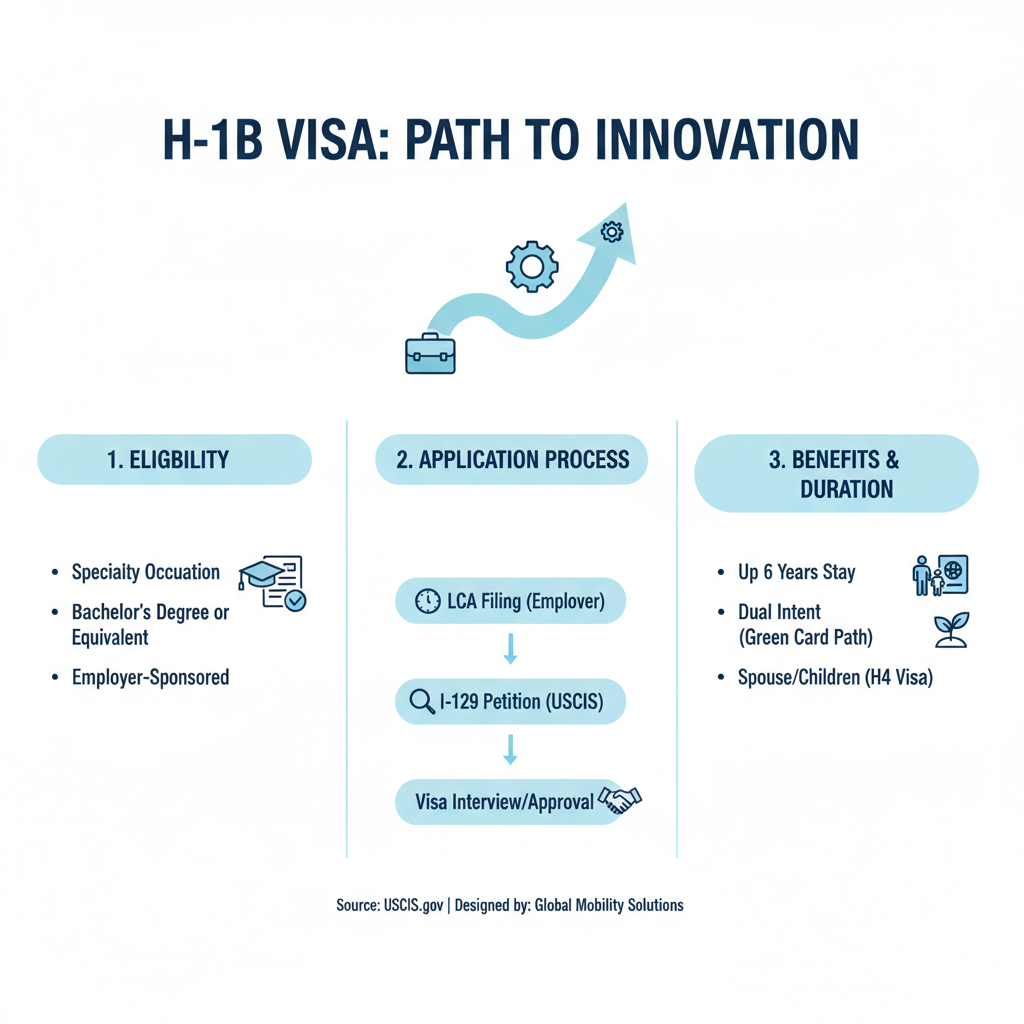
The H-1B visa program allows U.S. employers to temporarily employ foreign workers in specialty occupations. These occupations generally require a bachelor's degree or higher in a specific field. Due to high demand, the U.S. Citizenship and Immigration Services (USCIS) conducts an annual lottery to select petitions from eligible registrations, as the number of petitions often exceeds the annual cap.
Why this news is showing up now
While the most significant structural changes to the H-1B lottery process, specifically the shift to a beneficiary-centric selection model, were formally implemented for the FY2025 lottery, the impact of these rules continues to evolve and refine with each cycle. As of June 10, 2026, attention is already turning to the upcoming FY2027 lottery. USCIS has been actively monitoring and adjusting its processes to combat fraud and ensure fairness. The legal news highlights ongoing discussions, potential clarifications, and the sustained importance of these "new" rules, especially as they become the established norm. For employers and beneficiaries gearing up for the FY2027 cycle, staying abreast of USCIS guidance and court interpretations is paramount.
The changes aim to create a more equitable system, reducing the incentive for multiple, fraudulent registrations by a single beneficiary. This means a more level playing field for genuinely interested employers and qualified candidates.
How it can affect Florida residents
Florida, particularly the Orlando metropolitan area, is a hub for various industries that heavily rely on H-1B talent, including technology, healthcare, tourism, and aerospace. For highly skilled professionals living in or seeking to move to Orlando, these changes have direct implications:
- Increased Fairness for Beneficiaries: If you are a qualified individual, the beneficiary-centric approach means that your chances of selection are no longer diluted by fraudulent multiple employer registrations. Each eligible beneficiary gets one chance, regardless of how many employers register them. This is a positive development for legitimate candidates.
- Employer Vigilance: Florida employers, from tech startups in Lake Nona to healthcare providers in Orange County, must be more diligent than ever in understanding and complying with the new registration requirements. Any attempt to circumvent the rules could lead to disqualification for both the employer and the beneficiary, and even potential legal repercussions.
- Strategic Planning: For those in Central Florida hoping to secure an H-1B visa for FY2027, early preparation and meticulous documentation are more crucial than ever. The Orlando USCIS Field Office processes various immigration applications, and while H-1B petitions are centrally processed, local compliance and preparation are key.
- Reduced Fraud: The new rules are designed to prevent widespread abuse seen in previous lotteries, where individuals had multiple registrations submitted on their behalf by different employers, inflating their chances. While this might mean a slightly lower *overall* selection rate percentage for individual beneficiaries (as fewer fraudulent entries will be in the pool), it means a fairer chance for legitimate applicants.
The H-1B program is vital for Florida's economic growth, allowing companies along the I-4 corridor to attract top talent. Understanding these changes ensures that both employers and prospective employees can navigate the process successfully.
What H-1B Visa Lottery Changes for FY2027 Is (and Why It Matters)
The H-1B visa program is foundational for many skilled workers seeking to contribute to the U.S. economy. The recent changes, while not entirely "new" for FY2027 (having been implemented for FY2025), represent a significant shift in how the annual lottery is conducted. These modifications are designed to enhance integrity, reduce fraud, and ensure a more equitable selection process. It matters because it directly impacts the lives and careers of thousands of individuals and the operational capacity of countless U.S. businesses.
A plain-English definition
Imagine a highly competitive lottery where thousands of people want a limited number of tickets. In the past, one person could have many friends buy them tickets, drastically increasing their chances. The "H-1B visa lottery changes" essentially mean that now, no matter how many friends try to buy tickets for that one person, the person only gets *one entry* into the lottery. USCIS is focusing on the individual (the "beneficiary") rather than the number of employers who try to register them.
Specifically, for the FY2027 H-1B cap lottery, USCIS now requires that registrations be submitted based on the unique passport or travel document information of the individual beneficiary. If a beneficiary has multiple registrations submitted on their behalf by different employers, only one of those registrations will be selected in the lottery. If selected, all employers who submitted a registration for that beneficiary will be notified, and any one of them can then file an H-1B petition for that beneficiary.
This fundamentally alters the strategy for both employers and beneficiaries, prioritizing fairness and aiming to combat the widespread fraud observed in previous lottery cycles where some individuals had dozens, even hundreds, of registrations submitted for them.
Key terms you need to know
- H-1B Cap: The annual statutory limit on the number of H-1B visas issued. Currently, it's 65,000 for the regular cap and an additional 20,000 for those with a U.S. master's degree or higher (the "U.S. Master's Cap").
- Cap-Subject: Refers to employers and beneficiaries subject to the annual H-1B cap. Certain organizations, like universities and non-profit research organizations, are "cap-exempt."
- Beneficiary: The foreign national worker for whom the H-1B visa is sought.
- Petitioner: The U.S. employer filing the H-1B petition on behalf of the beneficiary.
- H-1B Registration Period: The designated timeframe (usually in March) during which employers electronically submit registrations for the H-1B lottery. A $10 fee is required per registration.
- Selection Notification: The official communication from USCIS informing petitioners whether their beneficiary's registration was selected in the lottery.
- Specialty Occupation: An occupation that requires a theoretical and practical application of a body of highly specialized knowledge, and a bachelor's degree or higher in the specific specialty (or its equivalent) as a minimum for entry into the occupation.
- Beneficiary-Centric Selection: The core of the new rule. Instead of selecting registrations based on the employer, selections are now based on the unique beneficiary. This means an individual gets only one chance in the lottery, even if multiple employers register them.
- Fraud Prevention and Detection: USCIS's enhanced efforts to identify and address fraudulent registrations, including investigations into employers and beneficiaries suspected of submitting multiple registrations to unfairly increase selection odds.
Current Immigration Law: The Foundation
The H-1B visa program is governed primarily by the Immigration and Nationality Act (INA), specifically INA § 101(a)(15)(H)(i)(b), which defines the H-1B nonimmigrant classification. The regulations implementing this statute are found in Title 8 of the Code of Federal Regulations (8 CFR). These laws establish the criteria for eligibility, the annual cap, and the procedural requirements for employers and beneficiaries.
The recent changes to the lottery process, while significant, operate within the existing legal framework, primarily through regulatory adjustments made by USCIS to its lottery procedures. The authority for these adjustments stems from USCIS's broad mandate to administer the immigration system effectively and to combat fraud.
For official information and detailed legal texts, always refer to the USCIS official website and the Executive Office for Immigration Review for broader immigration legal context.
Federal requirements
To qualify for an H-1B visa, both the employer and the beneficiary must meet stringent federal requirements:
- For the Beneficiary:
- Hold a bachelor's degree or its equivalent, or a license in a specialty occupation field, or work experience equivalent to a bachelor's degree.
- Possess a valid passport or travel document.
- Be offered a position that qualifies as a "specialty occupation."
- For the Employer (Petitioner):
- Offer a job in a specialty occupation.
- Pay the H-1B worker at least the prevailing wage for the occupation in the area of intended employment, or the actual wage paid to other employees with similar experience and qualifications, whichever is higher. This is verified through a certified Labor Condition Application (LCA) from the U.S. Department of Labor (Form ETA-9035).
- File the H-1B petition (Form I-129, Petition for a Nonimmigrant Worker) with USCIS.
- Meet all regulatory requirements, including the new beneficiary-centric lottery process.
The annual H-1B cap is 65,000 visas, with an additional 20,000 visas reserved for those who have earned a U.S. master's degree or higher. These caps reset each fiscal year, which begins on October 1st. The demand consistently far outstrips the supply, making the lottery a critical step for most cap-subject H-1B petitions.
Florida-specific considerations
While H-1B is a federal program, its impact is felt locally. For employers and beneficiaries in Florida, especially in rapidly growing areas like Orlando and Tampa, understanding the local context is important:
- High Demand Industries: Florida's robust tech sector, particularly in simulation and defense, as well as its expanding healthcare and financial services industries, consistently seek H-1B talent. This means competition for visas can be intense for companies along the I-4 corridor.
- Prevailing Wage Levels: Prevailing wage determinations, a critical component of the LCA, are location-specific. Employers in Orlando must ensure they are meeting the prevailing wage for their specific occupation and geographic area to avoid issues with the U.S. Department of Labor.
- Local Legal Expertise: Engaging an Orlando-based immigration law firm like Imigrar provides the advantage of local knowledge combined with national expertise. We understand the specific needs and challenges faced by businesses and professionals in Central Florida.
- USCIS Presence: While H-1B petitions are processed centrally, the Orlando USCIS Field Office handles other related immigration matters. It’s important to be aware of local resources and potential interview requirements for other parts of the immigration journey.
Need Help? Our Orlando immigration team is ready to assist. Call +1 786-791-3106 for a free consultation, or message us online. Se Habla Español.
How to Navigate the New H-1B Visa Lottery System: A Complete Step-by-Step Guide
The H-1B cap registration process is electronic and requires careful attention to detail. For FY2027, the beneficiary-centric selection model is firmly in place. Here's a step-by-step guide for employers and beneficiaries.
1) Understand the New Beneficiary-Centric Registration Rule
This is the most critical change. For FY2027, USCIS will select registrations based on unique beneficiaries, not based on the number of registrations submitted on their behalf. This means:
- Each beneficiary, regardless of how many employers register them, will only have one chance of selection in the lottery.
- Employers must provide the beneficiary's valid passport or travel document information at the time of registration. This information is used to uniquely identify the beneficiary.
- If a beneficiary is selected, all employers who submitted a registration for that individual will be notified. Any one of those selected employers can then proceed to file an H-1B petition.
Required Documents/Information for this step (to share with your employer/attorney):
- Beneficiary's full legal name, date of birth, country of birth, country of citizenship.
- Beneficiary's valid passport number (or other valid travel document number, if applicable). This is critical for unique identification.
- Beneficiary's U.S. Master's degree information (if applicable, to qualify for the Master's cap).
Important: Misrepresenting beneficiary information or attempting to submit multiple registrations for the same beneficiary using different identity documents could lead to severe penalties, including denial of the petition and potential criminal charges for fraud.
2) Employer Pre-Registration and Account Creation
Before the registration window opens, the employer (or their authorized representative, like Imigrar) must have an active USCIS online account. This is where the electronic registrations will be submitted.
Required Documents/Information:
- Employer's Federal Employer Identification Number (EIN).
- Company name, address, and contact information.
- Information about the authorized signatory for the company.
3) Submit H-1B Cap Registration Electronically via USCIS Online Account
The employer or attorney will access the USCIS online H-1B registration system during the designated registration period (typically in early March for the FY2027 lottery, which starts October 1, 2027). Each registration requires a $10 non-refundable fee.
Required Information for each registration:
- Employer’s legal name, EIN, and mailing address.
- Employer’s authorized signatory information.
- Beneficiary’s full legal name, date of birth, country of birth, country of citizenship.
- Beneficiary’s valid passport number or travel document number.
- Whether the beneficiary has a U.S. Master’s degree or higher (to qualify for the Master's cap).
Reminder: The registration period is usually short, often only a few weeks. Do not miss this critical window.
4) Await Lottery Results and Selection Notification
After the registration period closes, USCIS conducts the lottery. The first selection typically covers the U.S. Master's cap, followed by the regular cap. USCIS aims to announce selections by the end of March.
If selected, the employer will receive a selection notice (Form I-797C, Notice of Action) in their USCIS online account. This notice will indicate the filing period during which the H-1B petition can be submitted.
Key Document Received:
- Form I-797C, Notice of Action (Selection Confirmation)
Warning: Only selected beneficiaries can have an H-1B petition filed on their behalf. Filing for a non-selected beneficiary will result in rejection.
5) File the H-1B Petition (Form I-129) for Selected Beneficiaries
Once a beneficiary is selected, the employer can proceed to file the full H-1B petition package with USCIS. This step involves substantial documentation and requires careful preparation. The filing period is usually 90 days, typically starting April 1st and extending through June 30th.
Required Documents for Form I-129 Petition:
- Certified Labor Condition Application (LCA), Form ETA-9035, from the U.S. Department of Labor.
- Official selection notice (Form I-797C).
- Form I-129, Petition for a Nonimmigrant Worker, and relevant supplements.
- Employer support letter detailing the job offer, specialty occupation duties, and beneficiary's qualifications.
- Beneficiary's academic credentials (diplomas, transcripts, foreign degree evaluations).
- Beneficiary's resume/CV and letters of experience.
- Beneficiary's passport, visa, and I-94 records.
- Company financial documents (e.g., tax returns, audited financial statements) to demonstrate ability to pay the required wage.
- Organizational charts, client contracts, and other evidence to support the "specialty occupation" nature of the role.
- Any additional forms or documents as required (e.g., Form I-907, Request for Premium Processing Service, if desired).
6) Attend Biometrics Appointment (if required) and Interview (if applicable)
For some H-1B petitions, especially those involving a change of status or those processed through consular processing abroad, beneficiaries may be required to attend a biometrics appointment at an Application Support Center (ASC) or an interview at a U.S. embassy or consulate. This is not always required for initial H-1B filings but can be part of the process for extensions or if there are specific concerns.
Required Documents for Appointment/Interview:
- Appointment notice.
- Valid passport and other travel documents.
- Copies of all submitted H-1B petition documents.
- Supporting evidence of qualifications and employment.
7) Receive H-1B Approval and Begin Work
If the petition is approved, USCIS will issue an approval notice (Form I-797A for change of status or Form I-797B for consular notification). The earliest an H-1B beneficiary can start working under a new cap-subject petition is October 1st of the fiscal year for which the visa was sought (e.g., October 1, 2027, for FY2027 approvals).
For those outside the U.S., they will need to attend a visa interview at a U.S. embassy or consulate to get their H-1B visa stamped in their passport before entering the U.S. Those already in the U.S. and granted a change of status can begin working on October 1st.
Key Document Received:
- Approval Notice (Form I-797A or Form I-797B)
You can check the status of your petition and general processing times at the USCIS Processing Times website.

Practical Steps You Can Take Today
Given the competitive nature and complex requirements of the H-1B lottery, preparation is key. Don't wait until the registration window opens.
Actionable Checklist for FY2027 H-1B Lottery:
- Verify Beneficiary Eligibility: Ensure the beneficiary holds a bachelor's degree or its equivalent in a specialty occupation field. Gather all academic transcripts, diplomas, and any foreign degree evaluations.
- Confirm Specialty Occupation: Work with your employer and attorney to clearly define the job duties and demonstrate how the position qualifies as a "specialty occupation" requiring a specific degree.
- Secure Passport/Travel Document: Ensure the beneficiary's passport is valid and readily available. This is crucial for the unique identifier in the registration process.
- Identify Potential Employers: If you are a beneficiary, network and identify employers who are willing to sponsor H-1B visas. For employers, identify the talent you wish to sponsor.
- Understand the New Rules: Fully grasp the beneficiary-centric selection process. Ensure no attempts are made to circumvent this rule, as it could lead to disqualification and severe penalties.
- Consult an Immigration Attorney: This is perhaps the most important step. An experienced attorney can assess eligibility, guide document preparation, and ensure compliance with all USCIS regulations.
- Prepare for LCA: Employers should begin gathering information needed for the Labor Condition Application (LCA), including prevailing wage data for the job location in Florida.
Document Preparation Guidance
- Organize Digitally: Scan all educational documents, prior work experience letters, and identity documents. Create clear, labeled folders.
- Translations: Any documents not in English must be accompanied by a certified English translation.
- Employer Information: Have the employer’s EIN, business license, and company structure details ready.
- Beneficiary Information: Compile a clear record of the beneficiary’s full legal name, date of birth, passport information, and educational history.


