


The journey to U.S. citizenship is a milestone for many immigrants, offering a sense of belonging, expanded rights, and the opportunity to fully integrate into American society. A critical step in this journey is passing the Naturalization Test. As of early 2026, significant changes to this test have been implemented, reshaping the preparation process for aspiring citizens across the nation, including those here in Florida.
At Imigrar, an immigration law firm based in Orlando, Florida, our mission is to "Keep Families Together." We understand that these changes can bring both excitement and anxiety. Our goal with this comprehensive guide is to provide clarity, practical advice, and actionable steps to help you confidently navigate the updated Naturalization Test and secure your place as a U.S. citizen. Se Habla Español.
The reporting that sparked this guide
The information regarding the Naturalization Test changes, effective early 2026, has been widely discussed and anticipated within the immigration community. News outlets and official government channels have reported on the evolution of the test, highlighting the U.S. Citizenship and Immigration Services (USCIS) efforts to update and improve the assessment of civic knowledge for naturalization applicants.
For ongoing updates and official announcements, please refer to:
Naturalization Test Changes Coming in 2026 (Citizenship)
What This News Means for Immigrants in Orlando and Across Florida
For individuals residing in Orlando, Central Florida, and throughout the Sunshine State, the implementation of the new Naturalization Test in early 2026 is a crucial development. This isn't just a minor update; it represents a more comprehensive approach by USCIS to evaluating an applicant's understanding of U.S. history, government, and civic principles.
Why this news is showing up now
The U.S. Citizenship and Immigration Services (USCIS) initiated a pilot program for a revised Naturalization Civics Test in December 2022, concluding in early 2023. This pilot was a deliberate step to evaluate potential changes to the test format and content. The agency’s rationale was to ensure the test remains relevant, effective, and capable of assessing an applicant's civic knowledge in a meaningful way. This process included extensive review, public feedback, and analysis of the pilot program results. Following this rigorous evaluation, USCIS officially rolled out the new test format and questions in early 2026. Therefore, for anyone applying for naturalization now, or preparing for an interview in the coming months, these changes are fully in effect and require your attention.
This phased approach, from pilot to full implementation, was designed to provide adequate time for both applicants and legal professionals to adapt. However, the exact nature of the changes, particularly concerning the interactive components and question types, requires diligent preparation using the most current study materials available from USCIS.
How it can affect Florida residents
Florida is home to a vibrant and diverse immigrant community, with many individuals aspiring to become U.S. citizens. For those living in Orlando, Tampa, Miami, or any other part of Florida, the new Naturalization Test means that the study materials and preparation strategies used by previous applicants may no longer be entirely sufficient. Applicants will need to:
- Access New Study Materials: USCIS has released updated study guides and resources specific to the 2026 test. Relying on older versions could leave you unprepared.
- Adapt to New Question Formats: The changes may include different types of questions, such as multiple-choice, and potentially more interactive elements designed to assess a deeper understanding rather than just rote memorization. This could be a significant shift for those accustomed to the previous oral questioning format.
- Intensify English Language Preparation: While the primary changes focus on the civics portion, a strong command of English is always critical for understanding the questions and articulating responses effectively.
- Seek Expert Guidance: Navigating these changes can be complex. An experienced immigration attorney, especially one familiar with the Orlando USCIS Field Office procedures, can provide tailored advice and preparation strategies.
For Central Florida residents, the Orlando USCIS Field Office will be administering these new tests. Understanding local procedures and having access to up-to-date information is paramount. The stakes are high, as passing the test is a fundamental requirement for naturalization. Therefore, proactive and informed preparation is not just recommended, but essential.
Feeling overwhelmed by the new Naturalization Test changes? Don't face it alone. Our Orlando immigration team at Imigrar is ready to assist you every step of the way. Call +1 786-791-3106 for a free consultation, or message us online. Se Habla Español.
What Naturalization Test Changes Are (and Why It Matters)
The Naturalization Test is a critical hurdle for lawful permanent residents seeking to become U.S. citizens. It assesses an applicant's knowledge of U.S. history and government (the civics test) and their ability to read, write, and speak English. The changes implemented in early 2026 are significant because they aim to modernize the test, potentially making it a more robust measure of civic assimilation.
A plain-English definition
Naturalization is the process by which a lawful permanent resident (Green Card holder) becomes a U.S. citizen. The Naturalization Test is a mandatory component of this process, typically conducted during the naturalization interview. It consists of two main parts: an English language test and a civics test. The English test evaluates your ability to read, write, and speak basic English. The civics test assesses your knowledge of U.S. history, government, and geography.
The "changes" refer specifically to updates in the content and format of the civics portion of the test, and potentially how the English proficiency is assessed within the interview context. USCIS's goal is to ensure that new citizens have a foundational understanding of American democratic principles and civics, moving beyond simple memorization to a more comprehensive grasp of the concepts.
Key terms you need to know
Understanding the terminology is crucial for navigating the naturalization process:
- Naturalization: The process by which a foreign citizen or national can become a U.S. citizen.
- USCIS (U.S. Citizenship and Immigration Services): The government agency responsible for overseeing lawful immigration to the United States, including naturalization.
- Civics Test: The portion of the Naturalization Test that assesses an applicant's knowledge of U.S. history, government, and civics. This is the primary focus of the recent changes.
- English Test: The portion of the Naturalization Test that assesses an applicant's ability to read, write, and speak basic English. While not the main subject of the 2026 changes, strong English skills are always vital.
- Form N-400 (Application for Naturalization): The official form used to apply for U.S. citizenship.
- Oath of Allegiance: The final step in the naturalization process, where applicants swear an oath to the United States.
- Green Card: Official document issued to immigrants authorizing them to live and work permanently in the United States. Also known as a Permanent Resident Card.
- Permanent Resident: An individual who has been granted the privilege of permanently residing in the United States.
- Continuous Residence: A period of uninterrupted physical presence in the U.S. required for naturalization eligibility, typically 5 years (or 3 years if married to a U.S. citizen).
- Good Moral Character: A legal requirement for naturalization, meaning an applicant must not have committed certain crimes or acts that USCIS deems morally reprehensible during the statutory period.
The 2026 changes matter because they impact how you prepare and what you will be tested on. The shift could mean a move from purely oral questions to a combination of oral and multiple-choice questions, or even more scenario-based inquiries. This requires a deeper understanding of the concepts rather than just memorizing answers. For instance, instead of simply naming a branch of government, you might be asked to explain its function or identify its powers in a given scenario. This evolution aims to ensure that new citizens possess a more functional and practical understanding of American civics.
Current Immigration Law: The Foundation
While the Naturalization Test has been updated, the underlying federal laws and requirements for becoming a U.S. citizen remain largely consistent. The process is governed primarily by the Immigration and Nationality Act (INA).
Federal requirements
To be eligible for naturalization, applicants must meet several stringent federal requirements, as outlined in the INA, particularly Sections 316 and 319. These include:
- Age: Be at least 18 years old at the time of filing Form N-400.
- Lawful Permanent Residency: Hold a valid Green Card for a specific period. This is typically 5 years, or 3 years if you are married to a U.S. citizen and meet other specific criteria.
- Continuous Residence: Have maintained continuous residence in the U.S. for at least 5 years (or 3 years if married to a U.S. citizen) immediately preceding the filing of Form N-400 and up to the time of naturalization. Brief trips outside the U.S. are generally permitted, but longer absences can break continuous residence.
- Physical Presence: Be physically present in the U.S. for at least half of the required continuous residence period (e.g., 30 months for the 5-year rule, 18 months for the 3-year rule).
- State Residence: Reside for at least 3 months in the state or USCIS district where you file your application (e.g., Florida for Orlando residents).
- Good Moral Character: Demonstrate good moral character for the statutory period (typically 5 or 3 years) leading up to your application and until you take the Oath of Allegiance. Certain criminal offenses can disqualify an applicant.
- English Language Proficiency: Be able to read, write, and speak basic English. There are certain exemptions for age and length of permanent residency.
- Knowledge of U.S. History and Government (Civics): Pass the Naturalization Civics Test, which, as of early 2026, reflects the updated content and format.
- Attachment to the U.S. Constitution: Demonstrate a commitment to the principles of the U.S. Constitution.
These requirements are strictly enforced by USCIS. Any discrepancies or failures to meet these criteria can lead to delays or denial of your application. It's crucial to understand these foundational laws before you even begin preparing for the test.
For more detailed information on eligibility and the naturalization process, visit the USCIS official website.
Florida-specific considerations
While naturalization is a federal process, there are some localized considerations for Florida residents:
- USCIS Field Offices: Applicants in Florida will have their interviews at one of the state's USCIS Field Offices, such as the Orlando USCIS Field Office, Miami, or Tampa. Each office may have slight variations in scheduling and local procedures, though the core test content is uniform nationally.
- Community Resources: Florida has numerous non-profit organizations and community centers that offer citizenship preparation classes, which are now updating their curriculum to reflect the 2026 test changes. These can be invaluable resources for study groups and English language practice.
- Legal Support: Access to experienced immigration attorneys in Florida, particularly in densely populated areas like Orlando and Orange County, is abundant. These legal professionals can provide localized insights and support throughout the process.
Important: Always ensure any resources you use for test preparation are up-to-date with the 2026 changes. Outdated materials will not adequately prepare you for the current test.
Navigating the complexities of naturalization law, especially with new test requirements, requires expert guidance. Let Imigrar be your trusted partner. Our Orlando-based firm serves clients nationwide. Call +1 786-791-3106 for a free consultation. Se Habla Español.
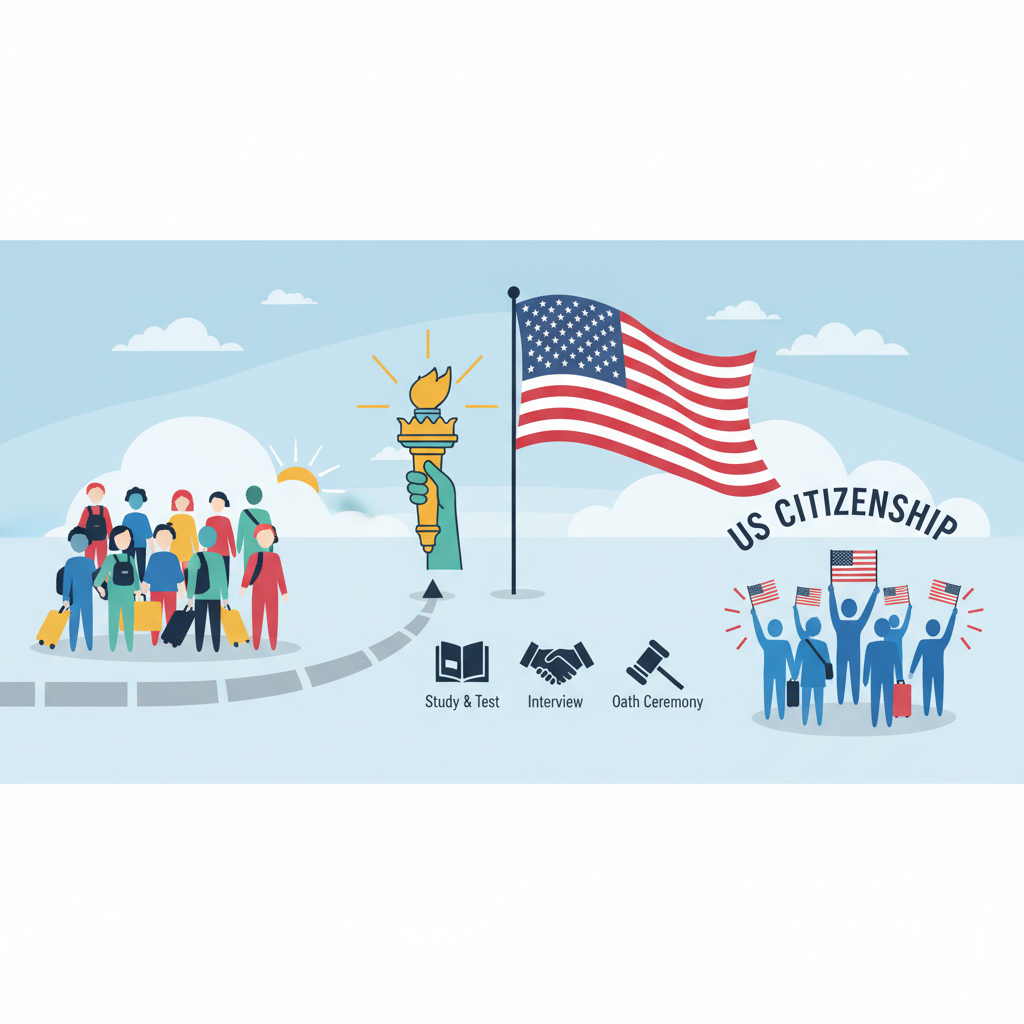
How to Navigate the Naturalization Process Amidst Changes: A Complete Step-by-Step Guide
The naturalization process is a multi-step journey. While the test has changed, the overall procedural steps remain similar. Here's a comprehensive guide, with an emphasis on how the 2026 test updates fit in.
1) Determine Your Eligibility
Before anything else, confirm you meet the fundamental requirements for naturalization. This involves a thorough review of your Green Card status, residency dates, and personal history.
- Review Your Green Card: Verify the issue date of your Green Card. This is crucial for calculating your continuous residence and physical presence.
- Calculate Continuous Residence and Physical Presence: Determine if you meet the 5-year or 3-year residency rule. Be meticulous about dates of entry and exit from the U.S.
- Assess Good Moral Character: Reflect on your legal history. Have you been arrested, charged, or convicted of any crimes, regardless of severity? Certain offenses can impact your eligibility. Be honest and gather all relevant court documents.
- Check State Residency: Ensure you have lived in Florida (or your current state) for at least 3 months.
Required Documents for Eligibility Assessment (Internal): Your Green Card, travel history records, marriage certificate (if applying under the 3-year rule), tax returns for the past 3-5 years.
2) Prepare and File Form N-400, Application for Naturalization
This is the formal application to become a U.S. citizen. Accuracy and completeness are paramount.
- Gather Supporting Documents: Collect all necessary documents as listed in the Form N-400 instructions. This typically includes copies of your Green Card (front and back), passport-style photos, copies of marriage certificates, divorce decrees, birth certificates of children, tax transcripts, and evidence of selective service registration (if applicable).
- Complete Form N-400: Fill out every section of the form truthfully and completely. Any omissions or errors can lead to requests for evidence (RFEs) or even denial. Pay close attention to questions about your good moral character and travel history.
- Pay the Filing Fee: As of early 2026, the filing fee for Form N-400 is significant. Check the USCIS Forms page for the most current fee. Fee waivers may be available for eligible applicants.
- Submit Your Application: Mail your completed Form N-400 and supporting documents to the correct USCIS lockbox facility. You will receive a receipt notice (Form I-797C) confirming your application has been received.
Required Documents for Filing Form N-400:
- Completed and signed Form N-400.
- Copy of your Green Card (front and back).
- Two identical passport-style photos (if required by instructions).
- Check or money order for the filing fee (and biometric services fee, if separate).
- Copies of marriage certificates, divorce decrees, birth certificates (if applicable).
- Certified court dispositions for any arrests or convictions.
- Proof of Selective Service registration (for males aged 18-26).
3) Attend Your Biometrics Appointment
After filing Form N-400, USCIS will schedule a biometrics appointment at an Application Support Center (ASC).
- Receive Appointment Notice: USCIS will send you a notice (Form I-797C) with the date, time, and location of your biometrics appointment.
- Attend the Appointment: At the ASC, your fingerprints, photograph, and signature will be collected. This information is used for background checks.
- Be Prepared: Bring your appointment notice and a valid photo identification (e.g., Green Card, state ID, passport).
Required Documents for Biometrics Appointment:
- Biometrics appointment notice (Form I-797C).
- Valid photo identification (e.g., Green Card, state driver's license).
4) Prepare for the Interview and the New 2026 Naturalization Test
This is where the recent changes become most relevant. Your interview will be scheduled after your biometrics and background checks are complete.
- Receive Interview Notice: USCIS will send you an interview notice (Form I-797C) detailing the date, time, and location (e.g., Orlando USCIS Field Office).
- Intensive Study for the New Civics Test: Immediately obtain and meticulously study the *official* USCIS study materials for the 2026 Naturalization Civics Test. These materials will outline the new questions and format. Pay attention to any interactive or multiple-choice components. Do NOT rely on outdated 2008 or 2020 test materials. The USCIS Civics Test Study Materials page is your go-to resource.
- Practice English Skills: Continue to improve your English reading, writing, and speaking. The English test component remains crucial. Practice simple conversations, reading basic sentences, and writing short sentences in English.
- Review Your N-400 Application: Go over every answer you provided on your Form N-400. The USCIS officer will ask questions based on your application.
- Gather Updated Documents: Bring original copies of all documents submitted with your Form N-400, plus any updated information (e.g., new tax returns, recent utility bills for continuous residence, updated marriage/divorce certificates if applicable, or court dispositions if new issues arose).
Required Documents for Interview & Test:
- Interview appointment notice.
- Your Green Card.
- All original documents submitted with your Form N-400 (e.g., marriage certificates, birth certificates).
- Your passport and any other travel documents.
- Updated financial records (e.g., recent tax transcripts).
- Proof of current residence (e.g., utility bills, lease agreements).
- Any documents specifically requested in your interview notice.
5) Attend Your Naturalization Interview and Take the Test
This is the culmination of your preparation.
- Be Punctual: Arrive at the USCIS Field Office (e.g., Orlando) well in advance of your scheduled time.
- Be Prepared and Confident: During the interview, the officer will ask questions about your application, your background, and your eligibility. They will also administer the English and Civics Tests.
- The New Civics Test: Be ready for the updated format. This might involve answering multiple-choice questions on a tablet, or engaging in a more in-depth discussion about civics concepts. Listen carefully to the questions and answer clearly.
- The English Test: You will be asked to read and write simple sentences in English and demonstrate your ability to speak English during the interview.


