


The journey to U.S. citizenship is a significant milestone for many immigrants and their families. It’s a path that requires dedication, understanding of complex legal processes, and a commitment to civic knowledge. As an immigration law firm rooted in Orlando, Florida, Imigrar is dedicated to helping you navigate every step, ensuring you’re well-prepared for any changes on the horizon.
The reporting that sparked this guide:
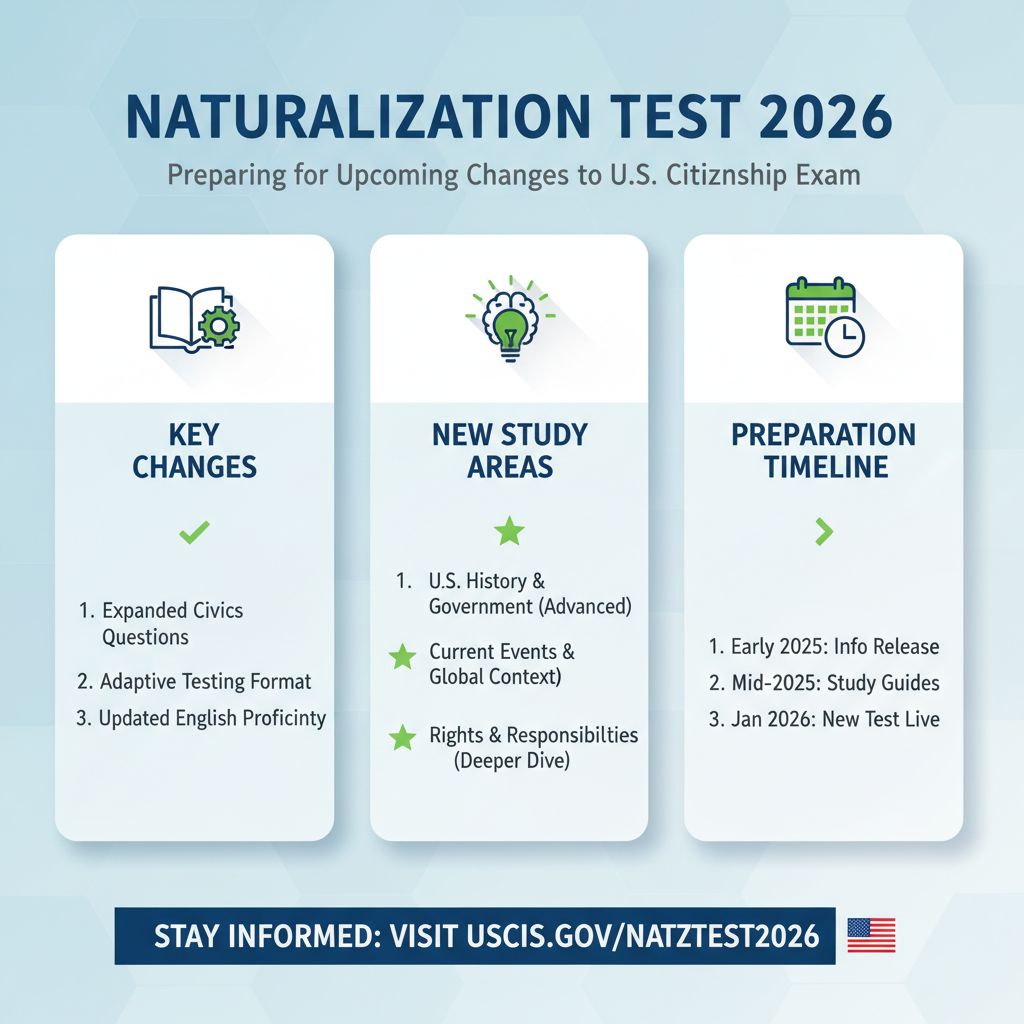
Naturalization Test Changes Coming in 2026 (Citizenship)
This news signals an important development for aspiring citizens, and understanding its implications is crucial for anyone planning to apply for naturalization in the coming years.
What This News Means for Immigrants in Orlando and Across Florida
The prospect of changes to the Naturalization Test can understandably create questions and concerns. At Imigrar, we believe in proactive preparation and clear communication to empower our clients.
Why this news is showing up now
Immigration processes, particularly those as fundamental as naturalization, are subject to periodic review and updates by U.S. Citizenship and Immigration Services (USCIS). The news about upcoming Naturalization Test changes in 2026 isn't entirely new; discussions and pilot programs for a revised civics test have been underway for some time. USCIS periodically evaluates the naturalization process to ensure it remains relevant, effective, and accurately assesses an applicant's understanding of U.S. history, government, and civic principles.
The current attention on 2026 indicates that the agency is moving towards a more definitive timeline for implementation. This advance notice is a positive step, allowing future applicants ample time to prepare for the new format and content. It’s a signal from USCIS that while the current test remains in effect, significant modifications are being finalized and will be rolled out in the near future, specifically by 2026. This forward-looking approach aims to prevent last-minute surprises and ensure a smoother transition for all involved.
How it can affect Florida residents
For the vibrant immigrant communities in Orlando, Central Florida, and across the Sunshine State, these upcoming changes hold particular significance. Florida is home to a diverse population of immigrants from various countries, many of whom are on their journey to becoming U.S. citizens. Whether you reside in Orange County, along the I-4 corridor, or in other parts of Florida, the Naturalization Test is a federal requirement, meaning these changes will apply universally to all applicants, regardless of their state of residence.
Specifically, for Florida residents:
- Preparation Strategy: If you are planning to apply for naturalization in late 2025 or 2026, you will need to pay close attention to the specific details of the new test, as it may differ significantly from the current version. This means adjusting your study materials and preparation methods.
- Timely Application: For those who are already eligible and prefer to take the current version of the test, understanding the implementation timeline will be critical. Applying sooner rather than later might allow you to be interviewed under the existing test format, depending on USCIS processing times and the exact date of the new test's rollout.
- Local Resources: The Orlando USCIS Field Office, like others across the country, will be administering the new test. Local community organizations and legal firms like Imigrar will play an even more vital role in disseminating accurate information and providing updated preparation resources.
- Language Access: While the civics test is generally administered in English (with exceptions for age and residency), any changes to its format, especially those involving scenario-based questions or integrated English components, might require a different approach to language preparation. Imigrar proudly offers services in both English and Spanish (Se Habla Español) to ensure all our clients receive clear guidance.
Important: Staying informed and consulting with experienced legal counsel is paramount. Imigrar is here to help you understand how these changes will specifically impact your naturalization journey and guide you through the best course of action.
Need Help? Navigating immigration changes can be complex. Our Orlando immigration team is ready to assist. Call +1 786-791-3106 for a free consultation, or message us online. Se Habla Español.
What Naturalization Test Changes Are (and Why They Matter)
To fully grasp the significance of the upcoming changes, it's important to first understand what naturalization is and the role the test plays in this process.
A plain-English definition
Naturalization is the process by which a lawful permanent resident (green card holder) of the United States voluntarily becomes a U.S. citizen. It’s the final step for many immigrants to gain full rights and responsibilities as citizens, including the right to vote, hold certain federal jobs, and travel with a U.S. passport.
A key component of the naturalization process is the Naturalization Test. This test is designed to ensure that applicants have a basic understanding of English and a foundational knowledge of U.S. history and government (civics). It typically consists of two main parts: an English test and a civics test.
- English Test: Assesses an applicant’s ability to read, write, and speak basic English.
- Civics Test: Evaluates an applicant’s knowledge of U.S. history, government, and civics.
The "changes coming in 2026" primarily refer to modifications to the *civics test* portion, and potentially the integration of English assessment within it, rather than a complete overhaul of the naturalization process itself.
Key terms you need to know
Understanding these terms will help you navigate the naturalization process and the upcoming changes:
- Naturalization: The process of becoming a U.S. citizen after birth.
- U.S. Citizenship and Immigration Services (USCIS): The government agency responsible for administering immigration and naturalization benefits. This is the agency you will interact with during your application. Link: USCIS official website
- Lawful Permanent Resident (LPR): Also known as a "green card holder," this is someone who has been granted the right to live permanently in the United States. Naturalization is the next step for LPRs to become citizens.
- Form N-400: The official application form for Naturalization. This is the primary form you will file to begin your citizenship journey.
- Civics Test: The portion of the Naturalization Test that assesses your knowledge of U.S. history and government. This is the primary area undergoing changes.
- English Test: The portion of the Naturalization Test that assesses your ability to read, write, and speak basic English.
- Oath of Allegiance: The final step in the naturalization process, where approved applicants pledge loyalty to the United States.
- Good Moral Character: A legal requirement for naturalization, meaning applicants must demonstrate adherence to U.S. laws and moral standards for a specific period.
- Continuous Residence and Physical Presence: Requirements related to how long and how much time an applicant must have spent in the U.S. as an LPR.
The changes matter because they reflect an evolving approach to assessing civic knowledge. The proposed modifications aim to make the test more dynamic, scenario-based, and potentially integrate the English speaking assessment more directly into the civics questions. This could mean moving away from purely memorized facts to a more analytical understanding of American principles. For applicants, this means a shift in preparation strategies, emphasizing comprehension and application over simple recall.
Current Immigration Law: The Foundation for Naturalization
Before diving into the specifics of the test changes, it's essential to understand the existing legal framework that governs naturalization. The requirements for becoming a U.S. citizen are primarily outlined in the Immigration and Nationality Act (INA).
Federal requirements
To be eligible for naturalization under current federal law, most applicants must meet the following criteria, as detailed in Section 316 of the INA:
- Age: Be at least 18 years old at the time of filing Form N-400.
- Lawful Permanent Resident Status: Be a lawful permanent resident (green card holder) for at least 5 years (or 3 years if married to a U.S. citizen and meet specific requirements).
- Continuous Residence: Have resided continuously in the U.S. as a lawful permanent resident for at least 5 years (or 3 years, if applicable) immediately preceding the date of filing Form N-400.
- Physical Presence: Have been physically present in the U.S. for at least half of the required continuous residence period (e.g., 30 months for the 5-year requirement, 18 months for the 3-year requirement).
- Residence in USCIS District: Have resided for at least 3 months in the state or USCIS district where the application is filed. For Central Florida residents, this would typically involve the Orlando USCIS Field Office jurisdiction.
- Good Moral Character: Be a person of good moral character for the statutory period (5 or 3 years) preceding the filing of the application and up to the time of the Oath of Allegiance. This is a crucial requirement that can be impacted by criminal history, tax issues, or other legal violations.
- Attachment to the U.S. Constitution: Demonstrate an attachment to the principles of the U.S. Constitution and well-disposed to the good order and happiness of the United States.
- English and Civics Knowledge: Demonstrate an ability to read, write, and speak basic English and have a knowledge and understanding of U.S. history and government (the Naturalization Test). There are exceptions for certain older applicants or those with medical conditions.
Reminder: These federal requirements are the foundation. Any changes to the Naturalization Test in 2026 will modify how the "English and Civics Knowledge" requirement is assessed, not the underlying eligibility criteria themselves.
Florida-specific considerations
While naturalization is a federal process, Florida residents interact with the federal system through local channels. The primary point of contact for naturalization interviews in Central Florida is the Orlando USCIS Field Office. Understanding local procedures and processing times for this office can be beneficial.
- USCIS Field Office: The Orlando office serves a wide area, including Orange County and surrounding regions. Processing times can vary, so it's wise to check the USCIS Processing Times website regularly.
- Community Resources: Florida has numerous non-profit organizations and community centers that offer English as a Second Language (ESL) classes and civics preparation courses. These can be invaluable resources, especially as new test materials are released.
- Legal Support: For residents of Orlando and across Florida, having an experienced immigration attorney, like those at Imigrar, can make a significant difference. We are familiar with the specific practices of the Orlando USCIS Field Office and can provide tailored advice.
Warning: Be wary of "notarios" or unauthorized individuals offering legal advice. Always seek assistance from licensed attorneys or USCIS-accredited representatives.
Confused by the requirements? Our legal team at Imigrar specializes in naturalization cases and can clarify all federal and local considerations for you. Call +1 786-791-3106 for a free consultation. Se Habla Español.
How to Prepare for the Naturalization Test (Current and Future): A Complete Step-by-Step Guide
Preparing for naturalization requires a strategic approach, especially with changes on the horizon. This guide outlines the essential steps, incorporating preparation for both the current test and what's anticipated for 2026.
1) Determine Your Eligibility
The very first step is to confirm you meet the fundamental requirements for naturalization. This involves reviewing your history as a lawful permanent resident.
- Check Your Green Card Dates: Verify the issue date on your green card to calculate your 5-year (or 3-year, if applicable) continuous residency.
- Review Travel History: Compile a list of all trips outside the U.S. since becoming an LPR. Ensure you haven't broken your continuous residence or exceeded the allowed time outside the U.S. (generally no single trip over 6 months, and meet physical presence requirements).
- Assess Good Moral Character: Reflect on your legal history. Any arrests, charges, or convictions, even if expunged or dismissed, must be disclosed. Tax issues, failure to pay child support, or false claims to U.S. citizenship can also impact this.
- Age and English Ability: Confirm you are 18 or older. If you are 50 or older and have been a green card holder for 20 years, or 55 or older and a green card holder for 15 years, you may qualify for an exception to the English test (the "50/20" or "55/15" rule). If you are 65 or older and a green card holder for 20 years, you may take a simplified civics test (the "65/20" rule).
Required Documents for Eligibility Assessment:
- Your Green Card (Form I-551)
- Travel records (passport stamps, entry/exit records)
- Any court dispositions or police records (if applicable)
2) Prepare and File Form N-400, Application for Naturalization
Once you’ve confirmed eligibility, the next step is to meticulously complete and file your application.
- Gather Personal Information: Collect details about your family, addresses, employment history, and periods of residence.
- Criminal History: Even minor infractions or arrests that did not lead to conviction must be disclosed. Obtain certified copies of all arrest reports and court dispositions. Failure to disclose can lead to denial and accusations of misrepresentation.
- Tax Records: Ensure you have filed all federal, state, and local taxes. USCIS may request tax transcripts.
- Complete Form N-400: Fill out the application accurately and completely. Pay close attention to sections on good moral character and oath requirements.
- Attach Supporting Documents: Include copies of your green card, marriage certificate (if applicable), divorce decrees (if applicable), and any other required evidence. Do NOT send original documents unless specifically requested.
- Pay the Filing Fee: The current filing fee for Form N-400 is $725 (includes biometric services fee), but this is subject to change. Check the USCIS Forms and Fees page for the most current information. Fee waivers may be available for eligible applicants.
- Mail Your Application: Send your completed application package to the correct USCIS lockbox facility. The address depends on your place of residence.
Required Documents for Filing Form N-400:
- Completed and signed Form N-400
- Copy of your Green Card (front and back)
- Copy of your current and expired passports (showing travel history)
- Marriage certificate (if applying under 3-year rule)
- Divorce decrees or death certificates for prior spouses (if applicable)
- Certified court dispositions for any arrests or convictions (if applicable)
- Proof of child support payments (if applicable)
- Two passport-style photos (if specified in instructions)
- Check or money order for the filing fee, or Form I-912 (Request for Fee Waiver)
3) Attend Your Biometrics Appointment
After USCIS accepts your Form N-400, you will receive an appointment notice for biometrics.
- Notice: You will receive Form I-797C, Notice of Action, detailing your appointment date, time, and location (usually a local Application Support Center - ASC).
- What Happens: At the ASC, USCIS will collect your fingerprints, photograph, and signature. This data is used for background checks.
- Preparation: Bring your appointment notice and a valid government-issued photo ID (e.g., green card, driver's license).
Required Documents for Biometrics:
- Appointment notice (Form I-797C)
- Valid photo identification (e.g., Green Card)
4) Prepare for the Interview (English and Civics Test)
This is the most critical stage for the upcoming changes. Your preparation strategy must be flexible.
- Current Test Preparation:
- English Test: Practice reading simple English sentences, writing simple English sentences, and speaking English during the interview (answering questions about your application). USCIS provides vocabulary lists.
- Civics Test: Study the 100 civics questions and answers provided by USCIS. You will be asked up to 10 questions, and you must answer 6 correctly to pass. Memorization is key here.
- 2026 Test Preparation (Anticipated Changes):
- Scenario-Based Civics: Expect questions that require more than rote memorization. They might involve understanding concepts of democracy, rights, and responsibilities, and applying them to hypothetical situations. USCIS will release new study materials well in advance. Start familiarizing yourself with current events and how U.S. government functions.
- Integrated English Assessment: The pilot program included an oral English component where applicants described photos. This assesses vocabulary and descriptive skills. Practice describing everyday objects, scenes, and actions in English.
- Stay Updated: Regularly check the USCIS official website for announcements, new study guides, and pilot program results.
- Review Your Application: Go over your Form N-400 thoroughly. The USCIS officer will ask questions based on your application, so you must be familiar with every answer you provided.
- Seek Legal Guidance: An attorney can conduct mock interviews, identify potential issues in your application, and help you prepare for complex questions, especially regarding good moral character.
Required Documents for Interview Preparation:
- USCIS 100 Civics Questions and Answers (current test)
- USCIS English Reading and Writing Vocabulary Lists (current test)
- Any new study materials released by USCIS for the 2026 test
- Your copy of the filed Form N-400
- All supporting documents submitted with your application
5) Attend Your Naturalization Interview
This is your opportunity to demonstrate your eligibility and knowledge.
- Bring Originals: Bring ALL original documents you submitted copies of with your Form N-400, including your green card, passports, marriage certificates, and court documents.
- Be Punctual: Arrive early for your appointment at the Orlando USCIS Field Office or designated location.
- Be Honest and Clear: Answer all questions truthfully and to the best of your ability. If you don't understand a question, ask the officer to rephrase it.
- The Test: You will complete the English and Civics tests. The officer will also ask questions about your application and background to determine your eligibility and good moral character.
Required Documents for Interview Day:
- Appointment notice
- Green Card (Form I-551)
- State-issued identification (e.g., driver's license)
- All original supporting documents you sent with your Form N-400
- Travel documents (all passports, re-entry permits)
- Selective Service registration card (if applicable)
6) Receive a Decision and Attend the Oath Ceremony
After your interview, you will receive a decision.
- Decision: The officer may give you a decision on the spot (N-652, Naturalization Interview Results) or mail it to you later.
- Approval: If approved, you will typically receive a notice for your Oath of Allegiance ceremony (Form N-445, Notice of Naturalization Oath Ceremony).
- Oath Ceremony: This is the final step where you officially become a U.S. citizen. You will surrender your green card and receive your Certificate of Naturalization.
- Denial: If denied, you will receive a written explanation. You may have options to appeal the decision or reapply.
Required Documents for Oath Ceremony:
- Oath Ceremony notice (Form N-445)
- Green Card (to be surrendered)
- Any travel documents (passports, re-entry permits)
Practical Steps You Can Take Today
Don't wait for the 2026 changes to be fully implemented to begin your naturalization journey. Proactive preparation is key.
Ready to start your naturalization journey? Imigrar provides personalized guidance and support. Contact us for a free consultation at +1 786-791-3106, or visit our website. Se Habla Español.
Actionable Checklist (5+ items):
- Review Eligibility Now: Even if you're not applying until 2026, understand your current eligibility. Identify any potential issues (e.g., good moral character, continuous residence breaks) that you can address in advance.
- Gather and Organize Documents: Start collecting all necessary documents now. This includes your green card, all passports, marriage/divorce certificates, and any court or police records. Keep them in a secure, organized folder.
- Improve English Skills: Regardless of the test format, strong English communication skills are invaluable. Enroll in ESL classes, practice speaking with native speakers, read English newspapers, and watch English-language TV. For Central Florida residents, local community colleges or non-profits often offer affordable classes.
- Begin Civics Study (Current Test): Familiarize yourself with the current 100 civics questions and answers. Even if the test changes, the core principles of U.S. government and history will remain relevant. This builds a strong foundation.
- Stay Informed on USCIS Updates: Regularly check the USCIS official website for news releases regarding the Naturalization Test changes. They will be the authoritative source for new study materials and implementation dates.
- Consult an Immigration Attorney: Schedule a consultation with an experienced immigration lawyer. They can assess your specific situation, advise on the best timing for your application, and help you prepare for the current or upcoming test.
Document Preparation Guidance
- Photocopies vs. Originals: Always submit copies of documents with your initial application. Keep your originals safe and bring them with you to your interview.
- Translations: If any document is not in English, you must provide a certified English translation. The translator must certify that they are competent to translate and that the translation is accurate.
- Organization: Use tabs, labels, and a table of contents for voluminous submissions to make it easier for USCIS officers to review your application.
Timeline Expectations
- Application Filing to Interview: USCIS processing times vary widely depending on the field office and current workload. For the Orlando USCIS Field Office, you can check current estimates on the USCIS Processing Times page. This period can range from several months to over a year.
- Test Change Implementation: While 2026 is the target, USCIS will provide a definitive effective date. There will likely be a grace period or clear instructions on who takes which version of the test (e.g., based on application filing date or interview date).
- Post-Interview to Oath Ceremony: If approved, the Oath Ceremony typically occurs within a few weeks to a few months after the interview, though sometimes it can be on the same day.
Important: Plan your application considering these timelines. If you are eligible now and wish to take the current test, applying as soon as possible might be your best strategy, given the lead time for processing.
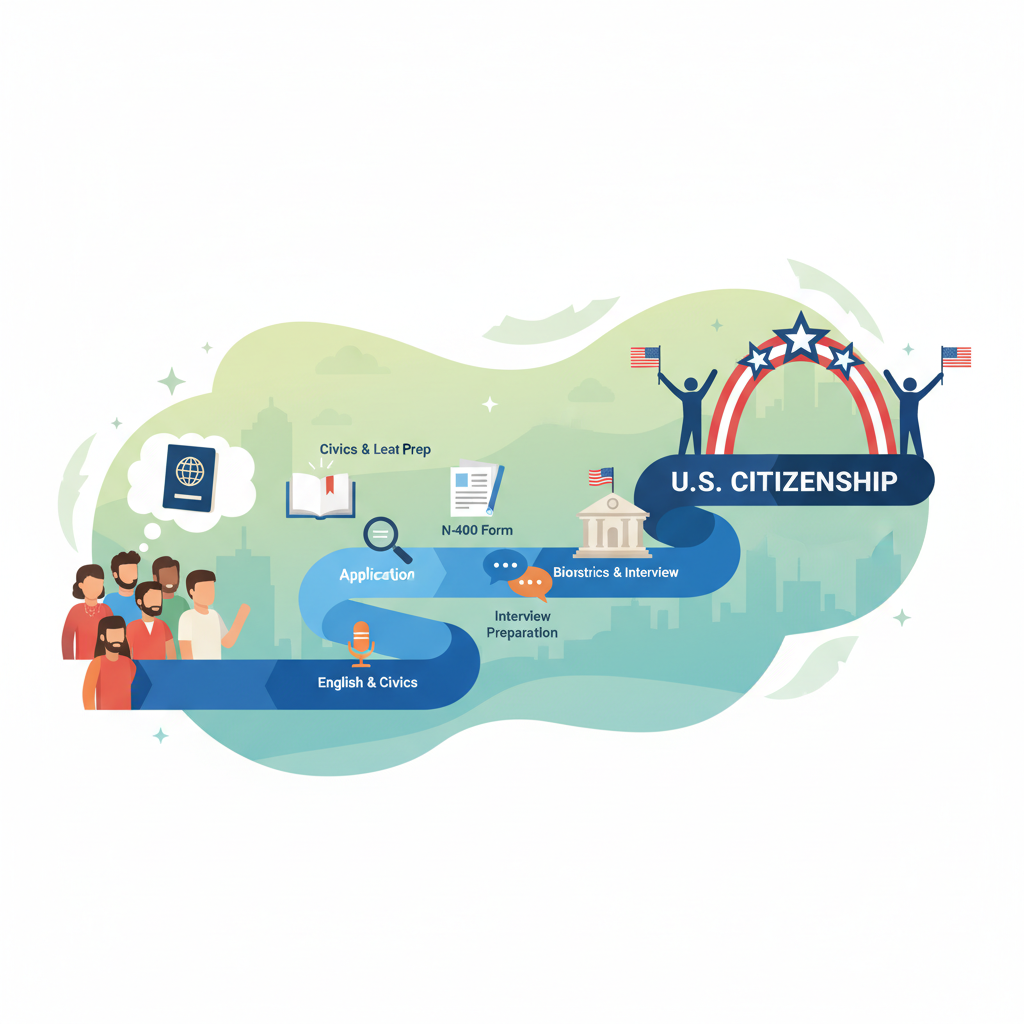
How Imigrar Helps Immigrants in Orlando Prepare for Naturalization
At Imigrar, our mission is to "Keep Families Together" by providing expert legal guidance through every step of the immigration process, including naturalization. For immigrants in Orlando, across Florida, and nationwide, navigating the path to U.S. citizenship, especially with upcoming changes, can be daunting. We are here to simplify it for you.
Our experience and expertise
Our team of dedicated immigration attorneys possesses extensive experience in naturalization cases. We understand the nuances of federal immigration law, the specific requirements of Form N-400, and the common pitfalls applicants face. We stay constantly updated on USCIS policies, processing times, and pending changes, ensuring our advice is always current and accurate.
- Personalized Eligibility Assessment: We conduct thorough reviews of your immigration history to confirm eligibility, identify any potential issues (like good moral character concerns or travel breaks), and advise on the best course of action.
- Comprehensive Application Preparation: We assist with the meticulous completion of Form N-400, ensuring all questions are answered accurately and supported by the necessary documentation. We help organize your entire application package to USCIS standards.
- Interview Preparation and Mock Interviews: Our team prepares you for the naturalization interview, covering both the English and civics components. We conduct mock interviews, providing feedback and building your confidence. We will guide you through the current


