


The journey to U.S. citizenship is a significant milestone for many immigrants and their families, representing the culmination of years of hard work, dedication, and integration into American society. At Imigrar, we understand the profound importance of this step, which is why we are committed to providing the most accurate, up-to-date, and actionable information to our clients in Orlando, across Florida, and nationwide.
As an expert legal content writer for Imigrar, our mission is to empower you with knowledge, ensuring you are well-prepared for every stage of your immigration process. Today, we delve into a crucial development that could impact future naturalization applicants: the U.S. Citizenship and Immigration Services (USCIS)’s proposed changes to the naturalization civics test, anticipated to take effect in 2026.
The reporting that sparked this guide
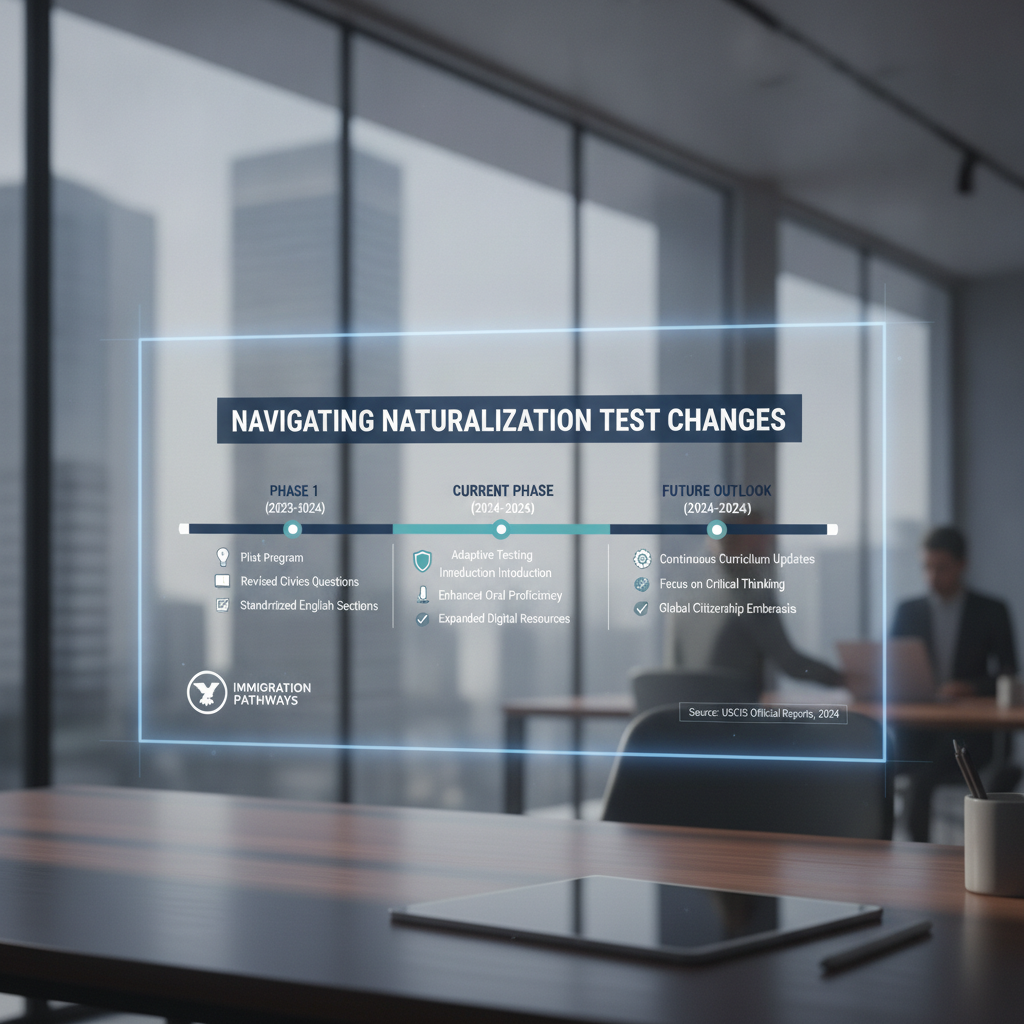
Our firm closely monitors all developments in immigration law and policy to provide timely and relevant advice. The news of upcoming changes to the Naturalization Test in 2026 has generated considerable discussion among prospective citizens and legal professionals alike. This guide is inspired by recent reporting on these significant revisions:
Naturalization Test Changes Coming in 2026 (Citizenship)
What This News Means for Immigrants in Orlando and Across Florida
For individuals residing in Orlando, Central Florida, or anywhere else in the Sunshine State, these proposed changes to the naturalization test are not just distant policy adjustments; they are real developments that could directly influence your path to becoming a U.S. citizen. Understanding the implications now is crucial for effective preparation.
Why this news is showing up now
The U.S. Naturalization Test, particularly the civics portion, has undergone revisions periodically since its inception. USCIS is mandated to ensure the test accurately reflects foundational American civics and history, while also being accessible and fair to applicants. Historically, the test was significantly revised in 2008, and there was a brief, more challenging version introduced in December 2020, which was later rescinded in February 2021, reverting to the 2008 version. These past events underscore USCIS's ongoing efforts to refine the naturalization process.
The current news regarding 2026 changes stems from USCIS’s pilot program, which began in December 2022. This program involved testing new question formats and content with volunteer applicants at various USCIS field offices across the country. The goal of this pilot was to evaluate potential changes for effectiveness, fairness, and clarity. Based on the feedback and data collected from this pilot, USCIS plans to finalize and implement a revised naturalization test by late 2025 or early 2026. This forward planning allows for sufficient time for public awareness, material development, and applicant preparation, which is why the news is circulating now.
How it can affect Florida residents
For those living in Florida, especially in bustling metropolitan areas like Orlando, Tampa, Miami, and Jacksonville, the impact of these changes could be significant. Florida has a large and diverse immigrant population, with many individuals actively pursuing U.S. citizenship. Here’s how these changes can affect you:
- Preparation Strategy: If you plan to apply for naturalization in the next few years, you might need to prepare for two potential versions of the civics test: the current 2008 version and the upcoming 2026 version. This dual preparation requires a strategic approach.
- Study Materials: New study materials will be released by USCIS closer to the implementation date. Staying updated on these new resources will be vital. Imigrar will keep our clients informed as soon as official materials become available.
- Interview Experience: The proposed changes suggest a more interactive civics test format, potentially moving away from the purely oral, question-and-answer format. This could involve multiple-choice questions or questions tied to images, which may require different study techniques.
- Application Timing: Depending on when you submit your Form N-400, Application for Naturalization, you could fall under the current test rules or the new 2026 rules. Understanding these timelines is critical for planning.
- Local USCIS Office: The Orlando USCIS Field Office and other offices across Florida will implement these changes. Local resources and support, including those provided by Imigrar, will be essential for navigating the transition.
The key takeaway for Florida residents is to be proactive. Do not wait for the changes to fully materialize before you start preparing. Early preparation and expert legal guidance can make all the difference.
Need Help Preparing for Naturalization? The path to U.S. citizenship can be complex, especially with upcoming changes. Our Orlando immigration team at Imigrar is ready to assist you every step of the way. Call +1 786-791-3106 for a free consultation, or message us online. Se Habla Español.
What Naturalization Test Changes Are (and Why They Matter)
To fully grasp the significance of the upcoming changes, it's important to understand what the Naturalization Test entails currently and the nature of the proposed modifications.
A plain-English definition
Naturalization is the process by which a foreign citizen or national can voluntarily become a U.S. citizen. A key part of this process is demonstrating an understanding of English and U.S. civics. The Naturalization Test assesses an applicant's knowledge in these two areas:
- English Test: This has three components:
- Speaking: Assessed during the naturalization interview itself, based on your ability to understand and respond to the USCIS officer's questions.
- Reading: You must read one out of three sentences correctly.
- Writing: You must write one out of three sentences correctly.
- Civics Test: This assesses your knowledge of U.S. history, government, and civics. Currently, USCIS officers ask applicants up to 10 questions from a list of 100 civics questions. You must answer 6 out of 10 questions correctly to pass.
The "changes coming in 2026" primarily refer to potential modifications to the Civics Test and possibly aspects of the English speaking assessment. USCIS is exploring a more interactive format for the civics portion, which might include multiple-choice questions or questions linked to visual aids, rather than simply verbal recall. This shift aims to evaluate a deeper understanding of civics principles rather than rote memorization, and potentially integrate the English speaking ability more directly with the civics questions.
Key terms you need to know
Navigating the naturalization process requires familiarity with specific terminology. Here are some key terms:
- Naturalization: The process of becoming a U.S. citizen after birth.
- USCIS: U.S. Citizenship and Immigration Services, the government agency that oversees lawful immigration to the United States.
- Form N-400: The official application form for naturalization.
- Green Card Holder (Lawful Permanent Resident): An individual who has been granted authorization to live permanently in the United States. This is generally a prerequisite for naturalization.
- Continuous Residence: The requirement that a naturalization applicant has maintained residence in the U.S. for a specified period (usually 5 years, or 3 years if married to a U.S. citizen).
- Physical Presence: The requirement that an applicant has been physically present in the U.S. for a certain cumulative period during their continuous residence.
- Good Moral Character: A legal standard that applicants must meet, demonstrating adherence to moral principles during their residency. Certain criminal offenses can disqualify an applicant.
- Oath of Allegiance: The final step in the naturalization process, where an applicant formally pledges loyalty to the United States.
- Civics Test: The portion of the naturalization test that assesses knowledge of U.S. history, government, and civics.
- English Test: The portion of the naturalization test that assesses reading, writing, and speaking ability in English.
Understanding these terms is foundational to comprehending the naturalization process and the impact of the upcoming changes.
Current Immigration Law: The Foundation for Naturalization
While the test format may change, the fundamental legal requirements for naturalization remain rooted in the Immigration and Nationality Act (INA). This act, codified in federal law, outlines who is eligible for U.S. citizenship and the steps they must take.
The primary legal authority for naturalization is found in Chapter 2, Title III of the INA, specifically sections such as INA §312 (regarding English language and civics knowledge requirements) and INA §316 (general requirements for naturalization, including continuous residence and good moral character).
Federal requirements
To be eligible for naturalization, applicants must generally meet the following federal requirements, as outlined by USCIS and the INA:
- Age: Be at least 18 years old at the time of filing Form N-400.
- Lawful Permanent Residency: Be a lawful permanent resident (Green Card holder) for at least 5 years. This period is reduced to 3 years if you are married to a U.S. citizen and have been living in marital union with your citizen spouse for at least 3 years, and your spouse has been a U.S. citizen for that entire period.
- Continuous Residence: Have maintained continuous residence in the U.S. for at least 5 years (or 3 years if married to a U.S. citizen) immediately preceding the date of filing your application and up to the time of naturalization.
- Physical Presence: Have been physically present in the U.S. for at least half of the required continuous residence period (e.g., 30 months out of 5 years, or 18 months out of 3 years).
- Residency in State/USCIS District: Have resided for at least 3 months in the state or USCIS district where you file your application. For those in Orlando, this means having lived in the USCIS Orlando Field Office's jurisdiction for at least three months.
- Good Moral Character: Demonstrate good moral character for the statutory period (5 or 3 years) preceding your application and up to the time of naturalization. This is a critical and often complex requirement.
- Attachment to the U.S. Constitution: Be able to demonstrate attachment to the principles of the U.S. Constitution and well-disposed to the good order and happiness of the United States.
- English and Civics Knowledge: Be able to read, write, and speak basic English and have a knowledge and understanding of U.S. history and government. There are certain exemptions for age and disability, which we will discuss further in the FAQ section.
Florida-specific considerations
While naturalization is a federal process, local considerations are important. For residents of Orlando and the surrounding Central Florida area, your case will be processed through the Orlando USCIS Field Office. This office handles interviews and oath ceremonies for applicants in Orange County and neighboring counties along the I-4 corridor.
The processing times for applications can vary by field office, so it's always advisable to check the USCIS Processing Times tool specifically for the Orlando office. While Florida itself does not have state-specific naturalization laws, understanding the local USCIS procedures and the nuances of the interview process at your specific field office can be beneficial. Imigrar, being based in Orlando, has extensive experience with the local USCIS office and can provide tailored advice for Central Florida residents. Remember, our services extend nationwide, so regardless of your location, we can help.
Ready to Apply for Citizenship? Don't navigate the complex naturalization process alone, especially with upcoming changes. Imigrar is here to help keep families together by guiding you to U.S. citizenship. Call us today for a free consultation: +1 786-791-3106. Se Habla Español.
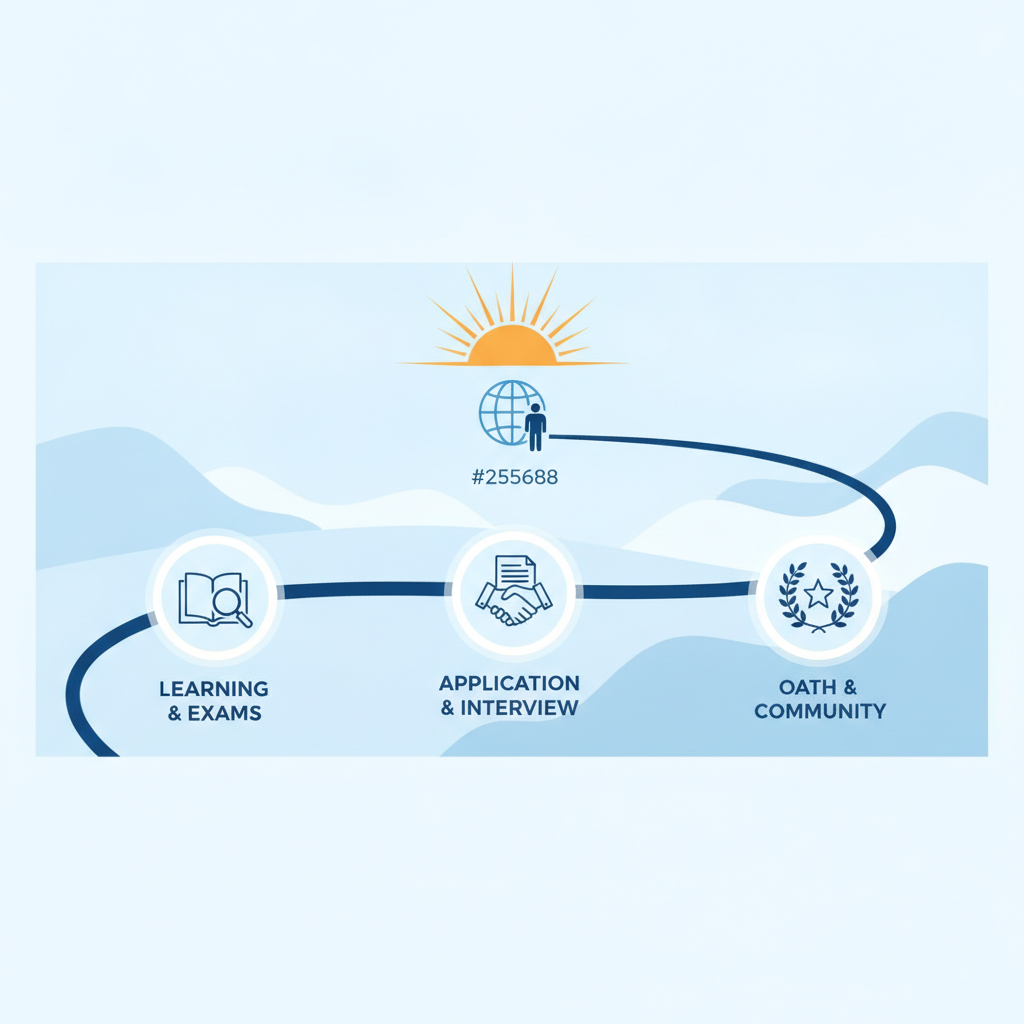
How to Prepare for the Naturalization Test (Current and Future Changes): A Complete Step-by-Step Guide
Preparing for U.S. citizenship involves several critical steps, from ensuring eligibility to successfully navigating the interview and test. With the upcoming 2026 changes, a proactive and flexible approach is more important than ever.
1) Determine Your Eligibility
Before you even think about forms or tests, confirm you meet the fundamental eligibility requirements. This is the absolute first step.
- General Requirements:
- Be 18 years or older.
- Be a Lawful Permanent Resident (Green Card holder) for at least 5 years.
- Have maintained Continuous Residence in the U.S. for at least 5 years immediately preceding your application.
- Have been Physically Present in the U.S. for at least 30 months out of the 5 years.
- Reside for at least 3 months in the state or USCIS district where you file your application (e.g., Orange County, Florida for the Orlando Field Office).
- Demonstrate Good Moral Character for the statutory period.
- Be able to read, write, and speak basic English.
- Have a knowledge of U.S. history and government.
- Be willing to take the Oath of Allegiance.
- Special Circumstances (3-Year Rule): If you are married to a U.S. citizen, you may be eligible to apply after 3 years of permanent residency, provided you meet specific conditions:
- You have been a Lawful Permanent Resident for at least 3 years.
- You have been married to and living with the same U.S. citizen spouse for at least 3 years.
- Your spouse has been a U.S. citizen for at least 3 years.
- You have maintained Continuous Residence in the U.S. for at least 3 years.
- You have been Physically Present in the U.S. for at least 18 months out of the 3 years.
Required Documents for Eligibility Check:
- Your Green Card (Form I-551, Permanent Resident Card).
- Any previous immigration documents (e.g., previous Green Cards, visa stamps).
- Marriage Certificate (if applying under the 3-year rule).
- Divorce decrees or death certificates for any previous marriages (yours or spouse's).
- Travel records (entry/exit stamps, passport copies) to calculate physical presence.
- Tax returns for the past 5 (or 3) years to show continuous residence and financial stability.
2) Prepare and File Form N-400, Application for Naturalization
Once you've confirmed your eligibility, the next step is to complete and submit Form N-400. This form is extensive and requires detailed personal, residential, employment, and travel history, as well as questions about your moral character and attachment to the U.S.
- Accuracy is Key: Ensure all information is accurate and consistent with your other immigration records. Any discrepancies can lead to delays or denials.
- Supporting Documents: Gather all necessary supporting documents. This often includes copies of your Green Card, marriage certificate (if applicable), tax transcripts, selective service registration (if required), and passport-style photos.
- Fees: Pay the filing fee and the biometrics services fee, unless you qualify for a fee waiver. Check the USCIS website for current fees.
Required Documents for Form N-400:
- Completed and signed Form N-400.
- Two passport-style photos (if required; check N-400 instructions).
- Copy of your Green Card (front and back).
- Fee payment (check, money order, or Form G-1450, Authorization for Credit Card Transactions).
- Copy of your marriage certificate, and spouse's proof of U.S. citizenship (if applying under the 3-year rule).
- Copies of all court dispositions for any arrests or citations (even minor ones) – Important: Do not omit these.
- Certified translations for any foreign-language documents.
3) Attend Your Biometrics Appointment
After USCIS receives your Form N-400, you will receive an appointment notice for biometrics. This typically occurs a few weeks after filing.
- Purpose: At the biometrics appointment, USCIS will collect your fingerprints, photograph, and signature. These are used for background checks and to verify your identity.
- What to Bring: You must bring your appointment notice (Form I-797C, Notice of Action) and a valid form of identification (e.g., your Green Card, passport, or state-issued ID).
- Location: For Central Florida residents, this appointment will likely be at a local Application Support Center (ASC) near Orlando.
Required Documents for Biometrics:
- Form I-797C, Notice of Action (Biometrics Appointment Notice).
- Valid photo identification (e.g., Green Card, passport, driver's license).
4) Prepare for the Naturalization Interview and Test
This is arguably the most critical stage, especially with the impending 2026 changes. You will be interviewed by a USCIS officer who will verify your application information, assess your English language abilities, and administer the civics test.
- The Interview: The officer will ask questions about your Form N-400, your eligibility, your continuous residence, physical presence, and good moral character. Be honest and consistent with your application.
- The English Test:


