
The journey to U.S. citizenship is a significant milestone for many immigrants, symbolizing the culmination of years of hard work, dedication, and integration into American society. For those residing in Orlando, across Florida, and throughout the nation, understanding the requirements for naturalization is paramount. As we approach 2026, a critical update is on the horizon: changes to the U.S. naturalization test.
Navigating these changes can be complex, but you don't have to do it alone. Our experienced immigration attorneys at Imigrar in Orlando are dedicated to keeping families together and guiding you through every step of your naturalization journey. Call +1 786-791-3106 for a free consultation today, or message us online. Se Habla Español.
The reporting that sparked this guide
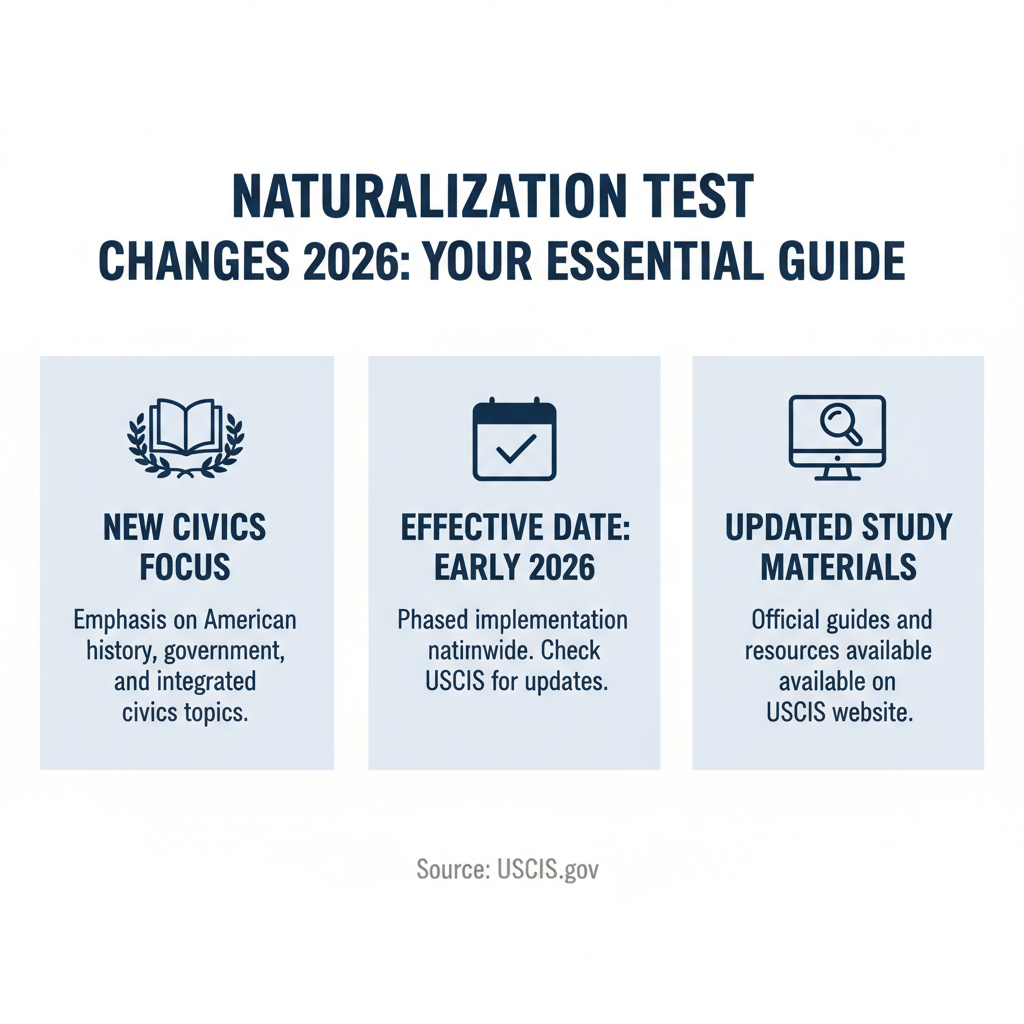
Recent reports highlight impending modifications to the naturalization test, a development that warrants close attention from anyone considering or currently pursuing U.S. citizenship. These changes are designed to assess an applicant's understanding of U.S. civics and history more comprehensively. For many, this news raises questions about preparation strategies, eligibility, and the overall timeline for their naturalization process. Staying informed and preparing effectively will be crucial for success.
For more details on the evolving discussion around these changes, you can refer to the broader context of immigration news:
Naturalization Test Changes Coming in 2026 (Citizenship)
What This News Means for Immigrants in Orlando and Across Florida
The news of impending changes to the naturalization test in 2026 carries significant weight for prospective U.S. citizens everywhere, including the vibrant immigrant communities in Orlando and throughout Florida. Understanding the implications of these updates is the first step toward successful preparation.
Why this news is showing up now
The U.S. Citizenship and Immigration Services (USCIS) regularly reviews and updates its processes to ensure they effectively serve their purpose and align with current policy goals. The naturalization test, specifically the civics component, has seen various iterations over the years. Historically, changes have been introduced, reviewed, and sometimes reversed based on different administrations' priorities and public feedback. For instance, a revised civics test was implemented in December 2020 under one administration but was subsequently reverted to the 2008 version in February 2021 by the current administration, citing concerns about its complexity and potential barriers to citizenship. This history demonstrates USCIS's ongoing effort to refine the naturalization process.
The current discussions and pilot programs for new test questions, initiated in December 2022, signal a deliberate move towards a more comprehensive assessment. USCIS has indicated a desire to create a test that better evaluates an applicant's understanding of U.S. history, government, and civics, moving beyond simple memorization to a more analytical and scenario-based approach. The timeline for these changes typically involves pilot testing, public comment periods, and thorough internal review before official implementation. Therefore, the "2026" timeframe allows for this comprehensive development and rollout process. This news is surfacing now because USCIS has been transparent about its intentions and progress in developing these updates, giving applicants and legal professionals time to prepare for the shift.
Important: These changes are not retroactive. If you apply for naturalization and complete your interview before the new test format is officially implemented, you will be tested under the current (2008) civics test version.
How it can affect Florida residents
Florida is home to a diverse and growing immigrant population, with major metropolitan areas like Orlando, Miami, Tampa, and Jacksonville serving as hubs for individuals from across the globe seeking new opportunities and a path to citizenship. For residents in Central Florida, including those in Orange County and along the I-4 corridor, these changes mean a need for heightened awareness and potentially adjusted study strategies.
Here's how it can specifically affect Florida residents:
- Increased Preparation Time: The new test format, which may include more scenario-based questions and a visual component for the English test, could require a deeper understanding of U.S. civics rather than rote memorization. This means applicants might need to dedicate more time and different study methods to prepare effectively.
- Access to Resources: While USCIS provides study materials, local community organizations, libraries, and legal firms in Orlando and across Florida will play an even more vital role in disseminating information and offering preparation classes tailored to the new format.
- Impact on Application Timelines: Some applicants might feel pressure to file their Form N-400, Application for Naturalization, sooner rather than later to potentially take the current test version. This could lead to a temporary surge in applications at the Orlando USCIS Field Office and other Florida offices, potentially affecting processing times.
- Language Accessibility: While the civics test is generally given in English (with exceptions for certain age and residency requirements), the new format's complexity could pose additional challenges for non-native English speakers. Imigrar, with our Se Habla Español services, is uniquely positioned to assist Spanish-speaking communities in understanding these nuances.
- Need for Expert Guidance: Navigating immigration law is complex, and test changes add another layer of intricacy. Florida residents, particularly those with unique circumstances or who are close to their eligibility date, will benefit immensely from the guidance of experienced immigration attorneys who understand both the current and forthcoming requirements.
Whether you're in Orlando, Miami, or any other part of Florida, these changes underscore the importance of staying informed and proactive in your naturalization journey. Imigrar is here to provide the support and expertise you need to successfully adapt to these evolving requirements.
Don't let upcoming changes delay your path to citizenship. Imigrar's Orlando-based team is closely monitoring these developments to provide you with the most current and effective guidance. Contact us at +1 786-791-3106 for a free consultation to discuss your specific situation. Se Habla Español.
What Naturalization Test Changes Are (and Why They Matter)
The prospect of changes to the naturalization test can seem daunting, but understanding what these modifications entail and their significance is key to demystifying the process. At its core, the naturalization test is a crucial component of becoming a U.S. citizen, designed to ensure that applicants have a basic understanding of English and U.S. civics.
A plain-English definition
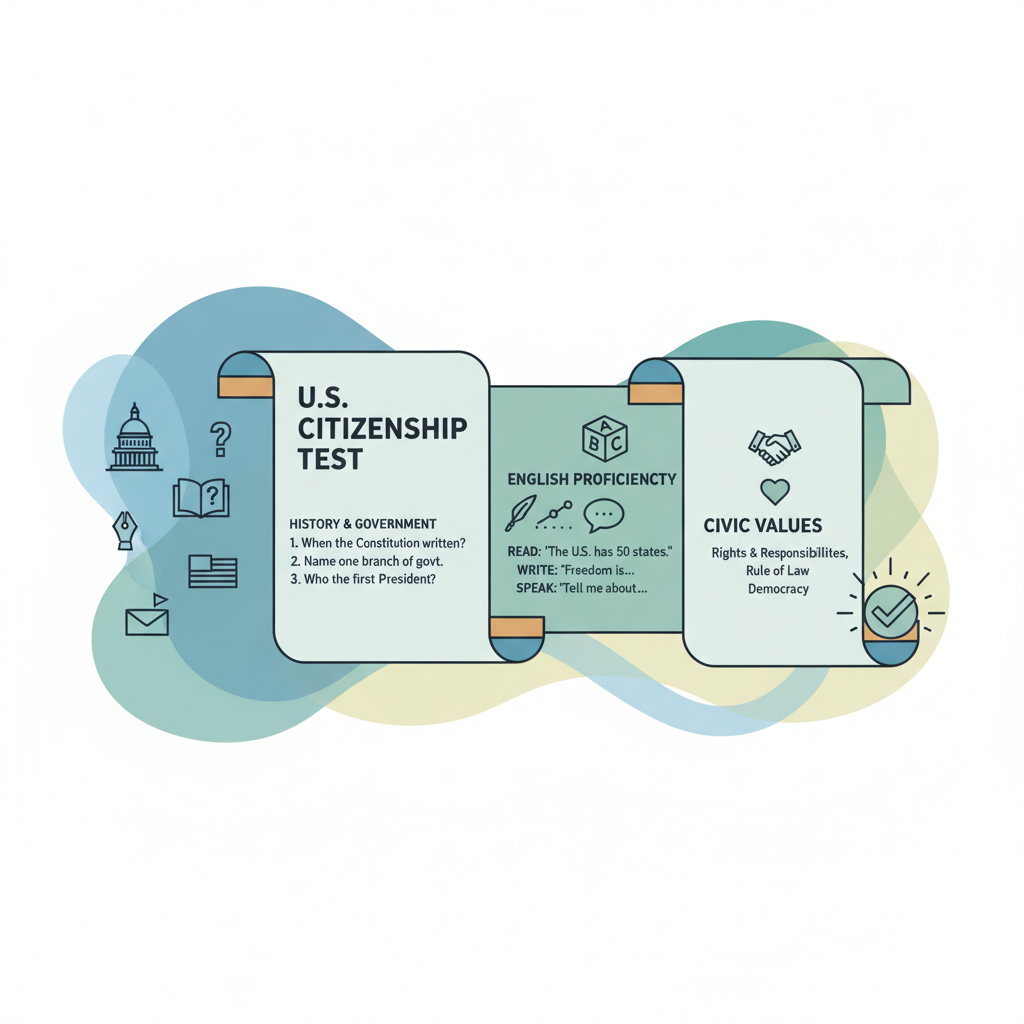
Naturalization is the process by which a foreign-born person voluntarily becomes a U.S. citizen. The naturalization test is a mandatory part of this process for most applicants. It consists of two main parts: an English test and a civics test.
- English Test: This assesses your ability to read, write, and speak basic English. You'll be asked to read a sentence aloud, write a sentence dictated by the officer, and demonstrate your ability to understand and respond to questions during the interview.
- Civics Test: This assesses your knowledge and understanding of U.S. history, government, and civics. Under the current (2008) test, you are asked up to 10 questions from a predefined list of 100 questions, and you must answer at least 6 correctly to pass.
The "changes coming in 2026" primarily refer to potential modifications to the civics test, and possibly the English test format. USCIS is exploring a new format for the civics test that would involve more scenario-based questions rather than just factual recall. For example, instead of simply asking "Who is the Chief Justice of the United States?", a new question might present a scenario involving the Supreme Court and ask how it functions or what a specific branch of government does in that context. There's also discussion of incorporating a visual element into the English test, such as describing photos, to better assess spoken English proficiency.
These changes matter because they signify a shift in how USCIS evaluates an applicant's integration and understanding of American society. It moves from a purely memorization-based assessment to one that aims to gauge a deeper, more conceptual grasp of U.S. principles and governance. For applicants, this means that simply memorizing answers might not be enough; they may need to understand the underlying concepts and be able to apply them.
Key terms you need to know
Navigating the naturalization process requires familiarity with specific terminology. Here are some key terms:
- Naturalization: The process by which a lawful permanent resident (green card holder) becomes a U.S. citizen.
- U.S. Citizenship and Immigration Services (USCIS): The government agency that oversees lawful immigration to the United States. They administer the naturalization process. (USCIS official website)
- Form N-400, Application for Naturalization: The primary form filed to apply for U.S. citizenship.
- Lawful Permanent Resident (LPR) / Green Card Holder: An individual who has been granted the privilege of residing permanently in the United States. This is generally a prerequisite for naturalization.
- Civics Test: The portion of the naturalization test that assesses an applicant's knowledge of U.S. history, government, and civics. This is the primary area undergoing changes.
- English Test: The portion of the naturalization test that assesses an applicant's ability to read, write, and speak basic English.
- Good Moral Character: A legal requirement for naturalization, meaning the applicant has adhered to societal norms and laws. Certain criminal offenses or unlawful acts can render an applicant ineligible.
- Oath of Allegiance: The final step in the naturalization process, where an applicant formally pledges loyalty to the United States and its Constitution.
- Biometrics Appointment: An appointment where USCIS collects fingerprints, photographs, and signatures to conduct background checks.
- Interview: The meeting with a USCIS officer where your application is reviewed, and the English and civics tests are administered.
- Pilot Program: A trial run of new procedures or tests, used by USCIS to gather data and feedback before full implementation. The current test changes are being developed through such a program.
Understanding these terms will empower you to better comprehend the naturalization process and the impact of the upcoming changes. Imigrar is committed to explaining these concepts in clear, accessible language, ensuring you're fully prepared for what lies ahead.
Current Naturalization Law: The Foundation
Before delving into the specifics of the upcoming changes, it's essential to understand the current legal framework governing naturalization. The foundation of U.S. immigration law, including naturalization, is the Immigration and Nationality Act (INA). This comprehensive statute outlines the eligibility requirements, application procedures, and the rights and responsibilities of immigrants and citizens.
Specifically, Title III of the INA, particularly sections 312 and 316, details the requirements for naturalization, including the English language and civics knowledge requirements, as well as residency and good moral character criteria.
Federal requirements
To be eligible for naturalization under current federal law, most applicants must meet several key requirements, as stipulated by the INA and further elaborated by USCIS:
- Age: Be at least 18 years old at the time of filing Form N-400.
-
Lawful Permanent Resident (LPR) Status: Hold a Green Card for a specified period.
- Generally, you must have been a LPR for at least 5 years.
- If married to a U.S. citizen, this period may be reduced to 3 years, provided you have been living in marital union with the citizen spouse for that entire period and the spouse has been a U.S. citizen for the duration.
-
Continuous Residence and Physical Presence:
- Continuous Residence: You must have resided continuously in the U.S. for at least 5 years (or 3 years, if applicable) immediately preceding the date of filing Form N-400. This means not taking trips abroad that are too long (generally, trips of 6 months or more can break continuous residence, unless properly documented).
- Physical Presence: You must have been physically present in the U.S. for at least half of the required continuous residence period (e.g., 30 months out of 5 years, or 18 months out of 3 years).
- Residency in USCIS District or State: Reside for at least 3 months immediately preceding the filing of Form N-400 in the state or USCIS district where you apply. For those in Orlando or Central Florida, this means residency in Florida.
- Good Moral Character: Demonstrate good moral character for the statutory period (5 or 3 years) leading up to your application and until you take the Oath of Allegiance. This involves adhering to U.S. laws and not committing certain crimes.
- Attachment to the Principles of the U.S. Constitution: Be able to demonstrate an attachment to the principles of the U.S. Constitution and a favorable disposition toward the good order and happiness of the United States.
- English Language Proficiency: Demonstrate an ability to read, write, and speak basic English. This is assessed during the naturalization interview. Certain age and residency exemptions apply (e.g., the "50/20" and "55/15" rules, or a medical waiver).
- Knowledge of U.S. History and Government (Civics): Demonstrate knowledge and understanding of the fundamentals of U.S. history and government. This is assessed through the civics test. Exemptions also apply for certain age and residency criteria, or medical waivers.
Reminder: All these requirements must be met at the time of filing your application and maintained throughout the process until you take the Oath of Allegiance.
For official information on these requirements, always refer to the USCIS official website.
Florida-specific considerations
While naturalization requirements are federal, certain practical considerations are specific to Florida residents:
- USCIS Field Offices: Applicants in Florida typically interact with one of three USCIS Field Offices: Orlando, Hialeah (serving South Florida), or Tampa. Your specific field office is determined by your residential address. For residents of Central Florida, the Orlando USCIS Field Office will be your primary point of contact for interviews and other in-person appointments.
- Diverse Communities: Florida's immigrant population is incredibly diverse, with large communities from Latin America, the Caribbean, and other parts of the world. This diversity means that resources and support are often available in multiple languages, particularly Spanish. Imigrar proudly offers services in both English and Spanish to cater to these needs.
- Local Support: In areas like Orlando and throughout the I-4 corridor, various community organizations, adult education centers, and legal aid services offer assistance with naturalization applications and test preparation. These local resources can be invaluable, especially as the test changes approach.
- State-Specific Documentation: While federal law dictates the naturalization process, applicants will use state-issued documents (e.g., Florida driver's license, state tax records, utility bills with Florida addresses) to prove residency and identity. Ensuring these documents are current and match your application information is crucial.
Navigating the federal requirements with an understanding of local context is where expert legal guidance becomes invaluable. Imigrar helps clients in Orlando and across Florida prepare thoroughly, ensuring all federal and practical considerations are addressed.
Confused about the current naturalization laws or how the 2026 changes will impact you? Our Orlando immigration lawyers at Imigrar provide clear, concise advice tailored to your situation. Call +1 786-791-3106 for a free consultation. We are here to help you keep your family together. Se Habla Español.
How to Prepare for the Naturalization Test Changes: A Complete Step-by-Step Guide
Preparing for naturalization, especially with upcoming test changes, requires a structured and proactive approach. This guide outlines the essential steps, focusing on how to adapt your preparation for the anticipated 2026 modifications.
1) Determine Your Eligibility and Gather Initial Information
The first and most crucial step is to confirm you meet all the basic eligibility requirements for naturalization. This involves reviewing the criteria related to age, green card status, continuous residence, physical presence, and good moral character.
-
Review Eligibility Criteria:
- Have you been a Lawful Permanent Resident for 5 years (or 3 years if married to a U.S. citizen)?
- Are you at least 18 years old?
- Have you met the continuous residence and physical presence requirements?
- Do you reside in the USCIS district or state (e.g., Florida) for at least 3 months?
- Do you meet the Good Moral Character requirement? (This is a complex area; consult with an attorney if you have any arrests, convictions, or other legal issues.)
-
Collect Essential Personal Documents:
- Your Green Card (Form I-551).
- All passports (current and expired) for the entire statutory period (5 or 3 years).
- Marriage certificate (if applying based on 3-year rule).
- Divorce decrees or death certificates for previous marriages (yours and spouse's, if applicable).
- Birth certificates of your children (if applicable).
- Any previous USCIS notices or decisions related to your immigration status.
- Consult an Attorney: If you have any doubts about your eligibility, especially concerning continuous residence, good moral character, or any criminal history, it is highly advisable to consult with an immigration attorney at Imigrar. We can assess your unique situation and identify any potential issues before you file.
2) Gather All Required Supporting Documents for Form N-400
Once you've confirmed eligibility, the next step is to meticulously gather all supporting documentation required for your Form N-400, Application for Naturalization. Accuracy and completeness are paramount.
-
Financial Documents:
- Tax transcripts or returns for the last 5 (or 3) years.
- Proof of consistent employment or income.
-
Travel History:
- A detailed list of all trips outside the U.S. during the statutory period, including dates of departure and return.
- Entry and exit stamps in your passports.
-
Marital History (if applicable):
- Marriage certificate, divorce decrees, death certificates of former spouses.
- Proof of joint residency if applying under the 3-year rule (e.g., joint bank statements, utility bills, lease agreements, property deeds, children's birth certificates).
-
Criminal History (if applicable):
- Certified court dispositions for any arrests, citations, or convictions, even if dismissed or expunged.
- Police reports.
- Proof of completion of probation or parole.
- Selective Service Registration: If you are a male who lived in the U.S. between the ages of 18 and 26, you must provide proof of Selective Service registration or an explanation for non-registration.
- Disability Exceptions (if applicable): If you are seeking an exemption from the English or civics test due to a medical condition, you will need Form N-648, Medical Certification for Disability Exceptions, completed by a licensed medical or osteopathic doctor or clinical psychologist.
- Photographs: Two identical passport-style photos (usually not required if fingerprints are taken digitally at biometrics, but good to have).
Tip: Organize your documents meticulously. Make photocopies of everything you send to USCIS and keep the originals. Create a checklist to ensure nothing is missed.
3) Complete and File Form N-400, Application for Naturalization
This is the formal application step. The Form N-400 is extensive and requires careful attention to detail.
-
Fill Out Form N-400:
- Complete all sections accurately and truthfully. Any discrepancies with previous immigration applications can cause significant delays or even denial.
- Pay close attention to questions about your travel history, addresses, marital history, and good moral character.
- If you need assistance, USCIS provides instructions for Form N-400, but an attorney can ensure no errors are made.
-
Calculate and Pay the Fee:
- The filing fee for Form N-400 is currently $710 (as of early 2026, including the biometrics fee). Check the USCIS website for the most current fee schedule (USCIS Fees).
- Fee waivers (Form I-912) are available for eligible low-income applicants.
- Mail Your Application: Send your completed Form N-400 and all supporting documents to the correct USCIS lockbox facility. The address depends on your state of residence and whether you're using USPS or a courier service. Confirm the correct address on the USCIS N-400 page.
4) Attend Your Biometrics Appointment
After USCIS receives your application, you will receive a receipt notice and then an appointment notice for biometrics.
- Receive Appointment Notice: USCIS will mail you Form I-797C, Notice of Action, with the date, time, and location of your biometrics appointment. For Orlando residents, this will typically be at a local Application Support Center (ASC) in Central Florida.
- Attend Appointment: Bring the appointment notice, a valid photo ID (like your Green Card or Florida driver's license), and any other documents specified in the notice. At the ASC, your fingerprints, photograph, and signature will be collected for background checks. This is usually a quick process and no interview takes place.
5) Prepare for the Naturalization Interview and Tests (Focus on Upcoming Changes)
This is where the upcoming 2026 changes become most relevant. Your interview will include both the English and Civics tests.
-
English Test Preparation:
- Reading: Practice reading sentences aloud from the official USCIS vocabulary list.
- Writing: Practice writing dictated sentences from the official USCIS vocabulary list.
- Speaking: This is assessed throughout your interview. Practice answering questions about your application (Form N-400) in English. If the new test includes visual prompts, practice describing images or scenarios in English.
-
Civics Test Preparation (Adapting for 2026 Changes):
- Current 2008 Test (if applying before changes): Study the 100 civics questions and answers provided by USCIS. You will be asked up to 10 questions, and you must answer 6 correctly. (USCIS Civics Test Study Materials)
- Future 2026 Test (if applying after changes):
- Focus on Concepts, Not Just Memorization: Instead of just memorizing "Who elects the President?", understand the Electoral College and the process. Be able to explain *why* certain principles are important (e.g., separation of powers, Bill of Rights).
- Stay Updated on USCIS Guidance: USCIS will release new study materials and practice tests closer to the implementation date. Regularly check the USCIS official website for updates.
- Practice Critical Thinking: Engage with U.S. history and government in a way that allows you to apply knowledge to scenarios. For example, if asked about checks and balances, think about real-world examples.
- Engage with Imigrar: Our legal team will be fully up-to-date on the new test format and can provide targeted preparation strategies and resources as they become available.
- Interview Preparation: Review your entire Form N-400 and all supporting documents. The USCIS officer will ask questions about your application. Be honest and consistent in your answers.
6) Attend Your Naturalization Interview
Your interview will be scheduled at your local USCIS Field Office (e.g., the Orlando USCIS Field Office for Central Florida residents).
- Be Prepared: Arrive on time with your appointment notice, Green Card, passport, and all original documents you submitted with your Form N-400, plus any updated documents (e.g., new tax returns, updated travel history).
- During the Interview: The officer will review your application, ask questions, and administer the English and civics tests.
- Decision: The officer may make a decision on the spot, or your case may be "continued" for additional information or a second interview.
7) Receive a Decision and Attend the Oath Ceremony
The final steps involve receiving your decision and becoming a U.S. citizen.
- Decision Notice: You will receive a written decision from USCIS. If approved, you'll get an appointment for the Oath of Allegiance ceremony


