

The immigration landscape is constantly shifting, bringing both challenges and opportunities for individuals and families seeking stability in the United States. For many, Temporary Protected Status (TPS) has been a critical lifeline, offering protection from deportation and the ability to work legally. As an expert immigration law firm dedicated to helping families in Orlando, Florida, and nationwide, Imigrar understands the profound impact that updates to TPS can have on thousands of lives.
Today, we delve into the latest developments regarding TPS extensions for designated countries. This news is not just a bureaucratic update; it represents renewed hope and continued stability for countless individuals and their loved ones. Understanding these changes, knowing your rights, and taking timely action are paramount.
This comprehensive guide from Imigrar will walk you through what these extensions mean, the critical steps you need to take for re-registration, and how our experienced legal team can support you through every stage of the process. Our mission is to "Keep Families Together," and navigating complex immigration laws, especially those concerning TPS, is central to that commitment.
The reporting that sparked this guide
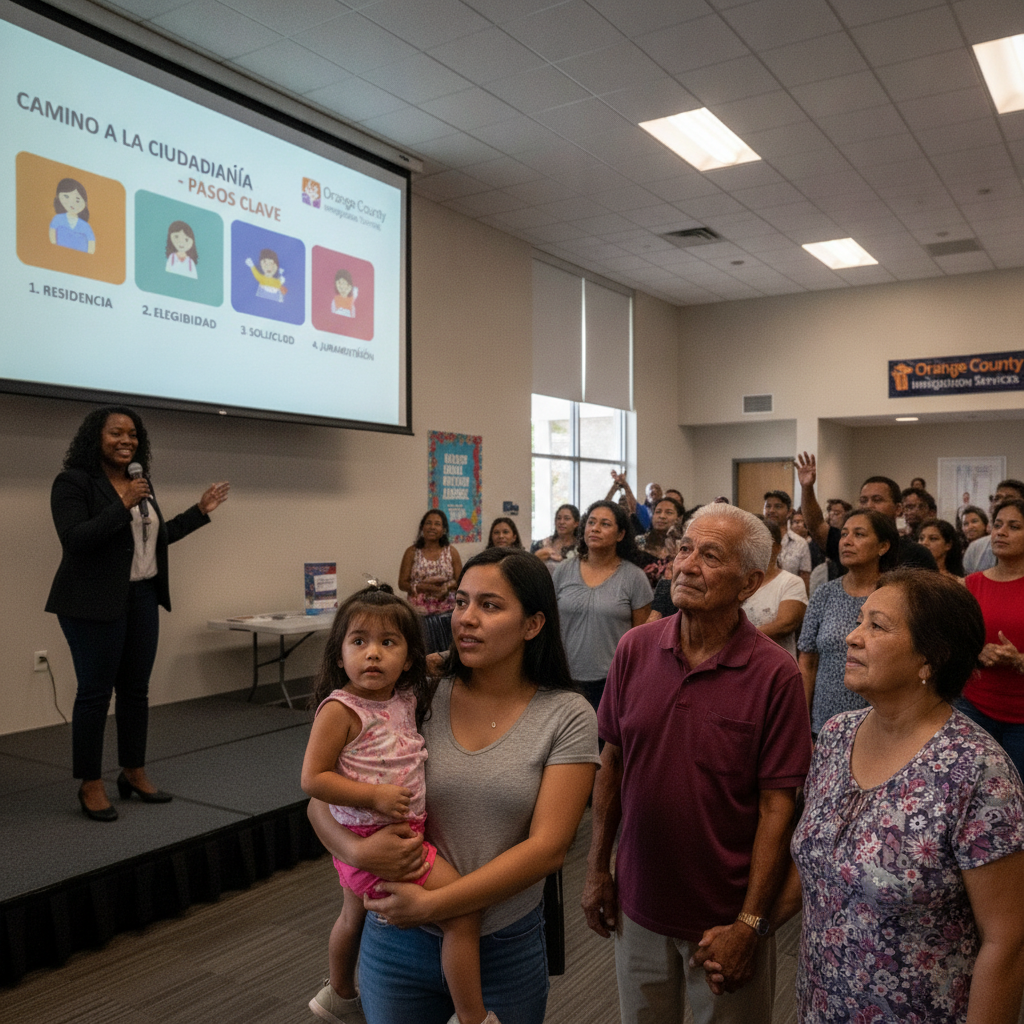
The recent announcements regarding Temporary Protected Status (TPS) extensions have been a prominent feature in legal news outlets, signaling significant developments for beneficiaries from several designated countries. These updates often emerge from official government publications, legal advocacy groups, and specialized immigration news services that monitor policy shifts from the Department of Homeland Security (DHS) and U.S. Citizenship and Immigration Services (USCIS).
The continuous flow of information, particularly on platforms aggregating legal news, highlights the dynamic nature of immigration policy and the constant need for beneficiaries to stay informed. These reports typically detail the specific countries affected, the duration of the extensions, and the crucial re-registration periods.
For those tracking these vital developments, the following source is representative of the kind of reporting that informs our understanding and guidance:
TPS (Temporary Protected Status) Extension News (Legal News)
What This News Means for Immigrants in Orlando and Across Florida
The recent news about TPS extensions is a beacon of hope for many, particularly for the vibrant and diverse immigrant communities here in Florida. As a hub for international residents, Orlando and its surrounding areas along the I-4 corridor are home to a significant number of individuals who rely on TPS for their safety and ability to contribute to our economy.
Why this news is showing up now
Temporary Protected Status (TPS) is, by its very nature, temporary. Its designation for a country is based on specific, extraordinary conditions that prevent its nationals from safely returning home. These conditions can include ongoing armed conflict, environmental disasters, or other extraordinary and temporary circumstances.
The Secretary of Homeland Security is mandated by the Immigration and Nationality Act (INA) to continually review the conditions in designated countries. When the conditions that led to a country's initial designation persist, or new ones arise, the Secretary may decide to extend the TPS designation for a further period, typically 6, 12, or 18 months. These extensions are not automatic for individuals; they require eligible beneficiaries to re-register within a specific window.
The current news cycle reflects the latest round of these reviews and subsequent decisions. For 2026, the Department of Homeland Security (DHS) has determined that the extraordinary conditions warranting TPS for certain countries continue to exist, prompting these critical extension announcements. These decisions are published in the Federal Register, making them official and triggering the re-registration process.
How it can affect Florida residents
Florida, with its large and diverse immigrant population, is significantly impacted by TPS designations and extensions. Many families from countries like Haiti, Venezuela, Nicaragua, El Salvador, Honduras, and others, have established deep roots in communities across the state, including Orlando, Miami, Tampa, and Jacksonville.
- Continued Protection from Deportation: For current TPS holders in Florida, these extensions mean continued protection from removal from the United States. This is perhaps the most critical aspect, allowing individuals to live and work without the constant fear of being separated from their families and lives here.
- Work Authorization: An extended TPS designation also means the opportunity to renew or receive new Employment Authorization Documents (EADs). This allows individuals to maintain their jobs, support their families, and contribute to Florida's economy. Without a valid EAD, working legally becomes impossible, leading to severe financial hardship.
- Family Stability: The ability to remain in the U.S. and work legally provides immense stability for families. Parents can continue to provide for their children, and families can plan for their future without the looming threat of displacement. This is particularly important for children who are U.S. citizens or lawful permanent residents.
- Community Integration: For many Central Florida residents, TPS has allowed them to integrate fully into their communities, own homes, start businesses, and become integral parts of the local fabric. Extensions allow this integration to continue and deepen.
- Need for Timely Action: It is crucial for all eligible Florida residents to understand that these extensions require proactive steps. Re-registration is mandatory, and missing the deadline can have severe consequences, including the loss of TPS status.
For those in Orlando and surrounding Orange County, the local USCIS Field Office may process certain aspects of your application, such as biometrics. Having local, experienced legal counsel, like Imigrar, is invaluable for navigating these federal processes with local considerations in mind.
Need Help? Our Orlando immigration team is ready to assist. Call +1 786-791-3106 for a free consultation, or message us online. Se Habla Español.
What Temporary Protected Status (TPS) Is (and Why It Matters)
Understanding Temporary Protected Status (TPS) is fundamental for anyone whose life or family might be touched by it. It's a humanitarian form of immigration relief, distinct from other visa categories or pathways to permanent residency, yet incredibly significant for those who qualify.
A plain-English definition
Imagine a situation where a country is experiencing such severe turmoil – perhaps a devastating earthquake, a widespread epidemic, or a violent civil war – that its citizens cannot safely return home. The U.S. government, recognizing these extraordinary circumstances, can offer a temporary refuge to nationals of that country already present in the United States. This protection is called Temporary Protected Status (TPS).
In simple terms, TPS grants individuals from specific countries a temporary legal status in the U.S. This status shields them from deportation and allows them to obtain an Employment Authorization Document (EAD), which permits them to work legally. It's a temporary haven, designed to last only as long as the unsafe conditions in their home country persist. It does not automatically lead to a Green Card or U.S. citizenship, but it provides crucial stability and safety.
Key terms you need to know
Navigating immigration law requires understanding specific terminology. Here are some key terms related to TPS:
- Designated Country: A country for which the Secretary of Homeland Security has determined that conditions prevent its nationals from returning safely, thus making them eligible for TPS. Examples include Haiti, Venezuela, El Salvador, and Honduras.
- Re-registration Period: A specific window of time, typically 60 days, during which current TPS beneficiaries must file their applications to extend their status. Missing this deadline can result in the loss of TPS.
- Employment Authorization Document (EAD): Often referred to as a "work permit," this card (Form I-765) allows foreign nationals to work legally in the United States. TPS beneficiaries are eligible to apply for an EAD.
- Form I-821, Application for Temporary Protected Status: The primary form used to apply for or re-register for TPS.
- Form I-765, Application for Employment Authorization: The form used to apply for or renew an EAD. This is usually filed concurrently with Form I-821 for TPS beneficiaries.
- USCIS (U.S. Citizenship and Immigration Services): The government agency responsible for adjudicating immigration benefits, including TPS applications. You can find official information and forms on the USCIS official website.
- Eligibility Criteria: The specific requirements an individual must meet to qualify for TPS, which typically include nationality of a designated country, continuous physical presence (CPP), and continuous residence (CR) in the U.S. since a specific date, and passing background checks.
- A-Number (Alien Registration Number): A unique identification number assigned by DHS to foreign nationals. It is found on immigration documents like Green Cards, EADs, and approval notices.
- Continuous Physical Presence (CPP): The requirement to have been physically present in the United States since a specific date set by the TPS designation.
- Continuous Residence (CR): The requirement to have maintained residence in the United States since a specific date set by the TPS designation. Short, infrequent trips abroad may not break CR, but extended absences typically do.
- Biometrics: The collection of fingerprints, photographs, and a signature for identity verification and background checks. This is a mandatory step for most TPS applicants.
- Advance Parole (Form I-131): A travel document that allows certain foreign nationals, including TPS holders, to leave the U.S. and return without jeopardizing their immigration status. Leaving the U.S. without advance parole can result in the loss of TPS.
Understanding these terms is crucial when dealing with your TPS application or re-registration. Always refer to official USCIS guidance or consult with an immigration attorney for clarification.
Current Immigration Law: The Foundation of TPS
Temporary Protected Status (TPS) is not an arbitrary program; it is firmly rooted in U.S. immigration law. Its authority and framework are established within the Immigration and Nationality Act (INA), providing a legal basis for its implementation and extensions.
The core legal provision governing TPS is **Section 244 of the Immigration and Nationality Act (INA), codified at 8 U.S.C. § 1254a**. This section grants the Secretary of Homeland Security (or previously, the Attorney General) the authority to designate a foreign country for TPS. Such a designation occurs when conditions in that country fall into one of three categories:
- Ongoing armed conflict: Making return unsafe.
- Environmental disaster: Such as an earthquake, hurricane, or epidemic, resulting in a substantial, but temporary, disruption of living conditions.
- Other extraordinary and temporary conditions: That prevent nationals from safely returning.
Once a country is designated, eligible nationals of that country who are already present in the U.S. may apply for TPS. The law also dictates the process for extending or terminating these designations based on ongoing reviews of country conditions.
Federal requirements
To be eligible for TPS, individuals must meet several federal requirements outlined in the INA and further specified by USCIS. These include:
- Nationality: Be a national of a country designated for TPS, or a person without nationality who last habitually resided in that country.
- Application during Registration/Re-registration Period: File an application for TPS (Form I-821) within the initial registration period or, for extensions, during the specified re-registration period. Late re-registration is only allowed under very limited circumstances.
- Continuous Physical Presence (CPP): Have been continuously physically present in the United States since the effective date of the most recent designation for your country. Brief, casual, and innocent departures do not break CPP.
- Continuous Residence (CR): Have been continuously residing in the United States since a date specified for your country's designation.
- Admissibility: Meet certain admissibility requirements. While some grounds of inadmissibility can be waived, serious criminal offenses or national security concerns will typically disqualify an applicant.
- Criminal Record: Not have been convicted of any felony or two or more misdemeanors committed in the United States. Certain other criminal activities can also lead to disqualification.
- Security Checks: Pass all required security and background checks conducted by various government agencies.
It is important to note that even if you meet these general requirements, specific details for each country's designation and extension can vary. Always refer to the most recent USCIS official website announcements for precise dates and requirements for your country.
Florida-specific considerations
While TPS is a federal immigration benefit, its impact and the application process have practical implications for residents of Florida. For those living in Orlando, across Central Florida, or anywhere in the state, understanding these local considerations can be beneficial:
- Local USCIS Field Office: While TPS applications are generally processed centrally, individuals may be required to attend biometrics appointments at their local USCIS Application Support Center (ASC). For many in Central Florida, this will be in or near Orlando.
- Driver's Licenses and State IDs: A valid EAD, issued to TPS beneficiaries, is typically accepted by the Florida Department of Highway Safety and Motor Vehicles (FLHSMV) as proof of lawful presence for obtaining a Florida driver's license or state identification card. However, the expiration date of the license or ID will usually align with the EAD's expiration date. It's crucial to re-register for TPS and renew your EAD promptly to avoid issues with your driver's license.
- Community Resources: Florida has numerous community organizations and non-profits that provide assistance and resources to immigrant communities. These organizations can be valuable sources of information and support, especially in areas with large TPS populations along the I-4 corridor.
- Employment Opportunities: With a valid EAD, TPS beneficiaries can legally work in Florida's diverse job market, contributing to industries ranging from tourism to agriculture and healthcare. Maintaining valid work authorization through timely re-registration is essential for continued employment.
- Legal Support in Orlando: Having local legal representation, like Imigrar in Orlando, means having attorneys who are familiar with the specific needs and challenges of Florida's immigrant communities and who can provide personalized guidance.
Reminder: The rules for TPS are complex and constantly updated. Relying solely on unofficial sources or outdated information can lead to critical errors. Always cross-reference information with the USCIS official website and consult with an experienced immigration attorney.

How to Re-register for TPS: A Complete Step-by-Step Guide
If your country's Temporary Protected Status (TPS) designation has been extended, the next crucial step is to re-register. This process is mandatory to maintain your protected status, continue your work authorization, and protect yourself from removal. Missing the re-registration deadline can have severe consequences. Here’s a detailed, step-by-step guide to help you navigate the process.
1) Determine Your Eligibility and Re-registration Period
Before you begin, confirm that your country’s TPS designation has indeed been extended and identify the specific re-registration period. USCIS will publish a Federal Register notice announcing the extension, the new validity period for TPS and EADs, and the precise dates for re-registration.
- Verify Your Country's Status: Check the USCIS TPS webpage for the latest announcements regarding your specific country.
- Confirm Your Prior TPS Grant: Ensure you were previously granted TPS for the designated country. This re-registration is for existing beneficiaries, not new applicants (unless specified in the Federal Register notice).
- Note the Re-registration Deadline: This is a critical date. The period is typically 60 days. Filing outside this window is extremely risky and usually only permissible under very limited "good cause" exceptions, which are difficult to prove.
- Continuous Residence and Physical Presence: Reconfirm that you have maintained continuous residence and continuous physical presence in the U.S. since the original designation date for your country.
Important: Do not assume your status is automatically extended. You must file to re-register.
2) Gather Required Documents
Thorough document preparation is key to a successful re-registration. While much of your information is already on file with USCIS from your initial application, you will still need to provide updated proof and verify existing details.
- Proof of Identity and Nationality:
- Copy of your passport from your country of origin.
- Copy of your birth certificate with photo identification.
- Any national identity document from your country bearing a photo and/or fingerprint.
- Proof of Continuous Residence in the U.S.: Documents that demonstrate you have resided in the U.S. since your original TPS designation date. Examples include:
- Leases, rent receipts, or mortgage statements.
- Utility bills (electricity, water, gas, internet).
- School records (transcripts, enrollment letters).
- Employment records (pay stubs, W-2 forms, employment letters).
- Medical records or hospital bills.
- Bank statements.
- Affidavits from friends, family, or employers (if other evidence is scarce).
- Proof of Previous TPS Grant:
- Copy of your most recent Form I-797, Approval Notice for TPS.
- Copy of your current Employment Authorization Document (EAD).
- Two Passport-Style Photos: If you are filing Form I-765 for an EAD.
Tip: Organize all documents meticulously. Make copies of everything you send to USCIS and keep the originals for your records. If any documents are not in English, they must be accompanied by a certified English translation.
3) Complete and File Form I-821, Application for Temporary Protected Status
This is the primary form for re-registration. Ensure you are using the most current version of the form from the USCIS Forms page.
- Fill Out Accurately: Provide complete and accurate information. Pay close attention to questions about your criminal history, travel, and previous immigration applications.
- "Re-registration" Box: On Form I-821, be sure to clearly mark that you are "re-registering" for TPS.
- Sign the Form: This is a common mistake! An unsigned form will be rejected.
- Include Copies of Supporting Documents: Attach copies of the documents you gathered in Step 2. Do not send original documents unless specifically requested by USCIS.
4) Complete and File Form I-765, Application for Employment Authorization (Optional but Recommended)
If you wish to continue working legally, you must apply for a new EAD by filing Form I-765. Most TPS re-registrants file this form concurrently with Form I-821.
- Fill Out Accurately: Ensure all information matches your Form I-821.
- EAD Category: For TPS re-registrants, the eligibility category is typically (c)(19).
- Sign the Form: Again, an unsigned form will be rejected.
- Include Required Photos: Two passport-style photos are typically required for the EAD.
Reminder: USCIS often issues automatic EAD extensions for a specific period (e.g., 540 days) for certain TPS categories when a country's designation is extended. Check the Federal Register notice for your country to see if you qualify for this, which can provide continued work authorization while your new EAD application is processed.
5) Pay Required Fees or Apply for a Fee Waiver
There are fees associated with filing Form I-821, Form I-765, and biometrics. The exact fees can be found on the USCIS website.
- Check Current Fees: Fees can change, so always verify the current amounts before sending your application.
- Payment Method: You can pay by money order, personal check, cashier’s check, or by credit card using Form G-1450, Authorization for Credit Card Transactions.
- Fee Waiver: If you cannot afford the fees, you may be eligible for a fee waiver by filing Form I-912, Request for Fee Waiver. This requires demonstrating financial hardship. If granted, USCIS will waive the fees for Form I-821, Form I-765, and the biometrics fee.
Warning: Ensure your payment is correct. Incorrect payments are a common reason for application rejection.
Confused about the TPS re-registration process? Let Imigrar guide you. Our Orlando-based attorneys specialize in helping families navigate complex immigration laws. Call us today for a free consultation at +1 786-791-3106. Se Habla Español.
You may also be interested in: Stay informed on the latest TPS extensions in 2026. This comprehensive guide from Imigrar in Orlando explains eligibility, re-registration steps, and ... Stay informed on DACA renewal requirements and process in 2026. Imigrar offers expert guidance for DACA recipients in Orlando, Florida, and nationwide... Stay informed on the latest DACA news and renewal process. Imigrar provides critical updates, step-by-step guidance, and expert advice for Deferred Ac... Navigate your Green Card interview with confidence. This guide from Imigrar provides crucial tips, document checklists, and legal advice for a success...Related Articles


