


USCIS Processing Times 2026: Your Essential Guide for Orlando & Florida Immigrants
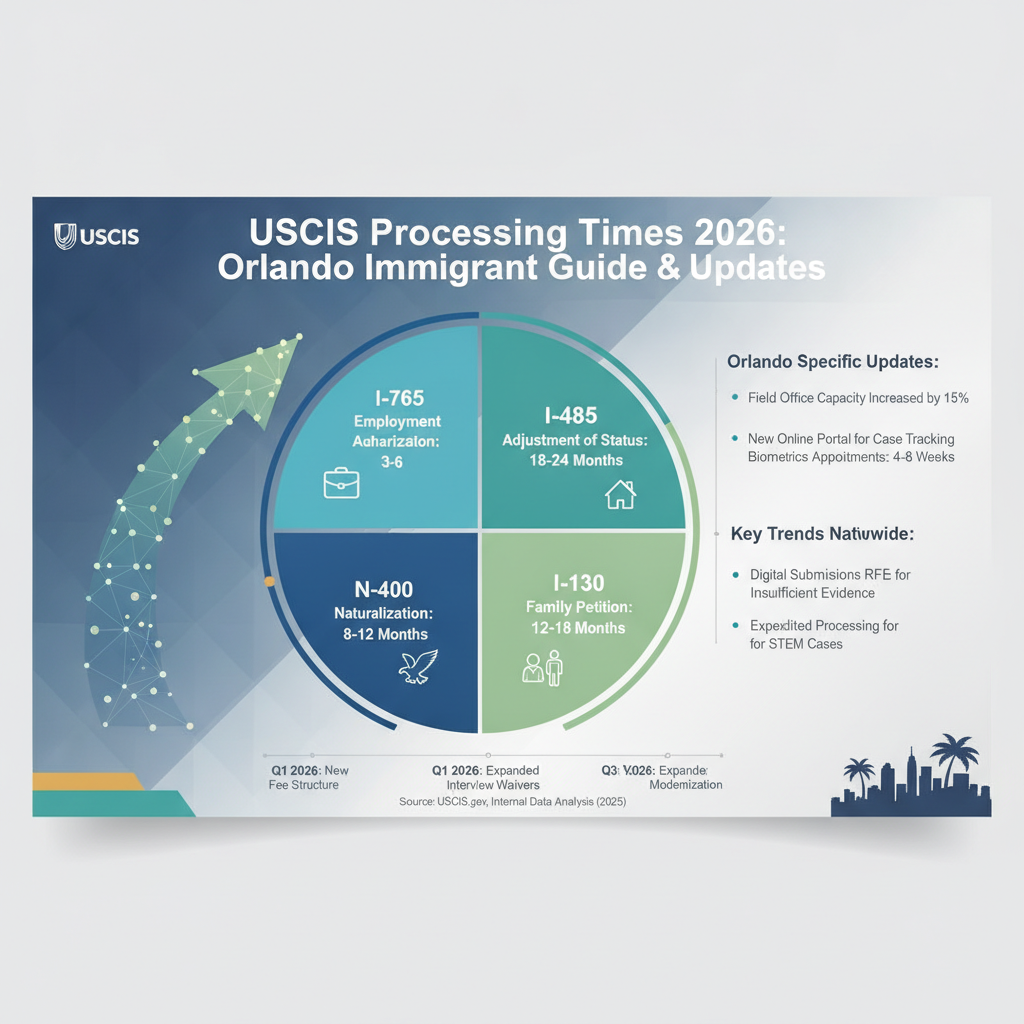
The journey through the U.S. immigration system is often marked by anticipation, hope, and, for many, significant waiting periods. Understanding **USCIS processing times** is crucial for every immigrant and their family, especially as these times can fluctuate dramatically dueating to various factors. As we move through 2026, staying informed about the latest updates from U.S. Citizenship and Immigration Services (USCIS) is more important than ever. At Imigrar, an immigration law firm based in Orlando, Florida, we are dedicated to helping you navigate these complexities and "Keep Families Together."The reporting that sparked this guide:
What This News Means for Immigrants in Orlando and Across Florida
The regular updates from USCIS on processing times are not just bureaucratic announcements; they are critical indicators that directly impact the lives and plans of immigrants nationwide, including the vibrant and diverse communities here in Florida.Why this news is showing up now
USCIS is an agency constantly balancing immense caseloads with operational capacities. The updates on processing times, particularly in 2026, reflect several ongoing dynamics:- Caseload Fluctuations: The volume of applications and petitions filed with USCIS can surge or dip based on policy changes, economic conditions, and global events. A higher volume naturally leads to longer processing times.
- Staffing and Resources: USCIS's ability to process cases efficiently is directly tied to its staffing levels and available resources. Budget allocations, hiring freezes, or increased funding can significantly alter processing speeds.
- Policy and Regulatory Changes: New immigration policies, executive orders, or regulatory adjustments can introduce new review procedures, require additional documentation, or shift priorities, all of which can affect how quickly cases are adjudicated.
- Technological Modernization: USCIS continues its efforts to digitize processes. While intended to improve efficiency long-term, the implementation phases can sometimes cause temporary shifts in processing times.
- Backlog Management: The agency often grapples with existing backlogs. Updates can sometimes indicate targeted efforts to reduce these backlogs for certain forms or service centers.
How it can affect Florida residents
Florida is home to one of the largest immigrant populations in the United States, with a significant presence in Central Florida, particularly in Orlando and the surrounding Orange County area. For residents along the I-4 corridor and throughout the state, USCIS processing times have very tangible effects:- Planning for the Future: Extended processing times can delay family reunification (e.g., approval of **Form I-130** petitions), postpone career opportunities (waiting for **Form I-765** Employment Authorization Document), or impact the timeline for becoming a U.S. citizen (**Form N-400**). This directly affects individuals' ability to make long-term plans for housing, education, and employment.
- Economic Impact: Delays in work authorization can lead to job loss or an inability to secure employment, creating severe financial hardship for families in Orlando and across Florida. Small businesses that rely on immigrant workers can also be affected.
- Travel Restrictions: Waiting for travel documents like Advance Parole (**Form I-131**) can prevent individuals from visiting family abroad, especially in urgent situations.
- Anxiety and Uncertainty: Prolonged waits often lead to significant stress and uncertainty for applicants and their families. This emotional toll is a major concern for many of our clients at Imigrar.
- Local Field Office Impact: The **Orlando USCIS Field Office** handles many local interviews and specific case types for Central Florida residents. Updates on processing times can specifically reflect the workload and efficiency of this local office, affecting how quickly Adjustment of Status (**Form I-485**) or Naturalization interviews are scheduled and adjudicated for those living in Orange County and neighboring areas.
Need Help? Navigating USCIS processing times can be overwhelming. Our Orlando immigration team is ready to assist. Call +1 786-791-3106 for a free consultation, or message us online. Se Habla Español.
What USCIS Processing Times Are (and Why They Matter)
When you file an application or petition with USCIS, you embark on a waiting period. This period is what we refer to as **USCIS processing times**. It's not just a number; it's a critical component of your immigration journey.A plain-English definition
Simply put, **USCIS processing times** represent the estimated duration it takes for USCIS to process a specific form from the moment they receive it until they make a final decision. This decision could be an approval, a denial, a Request for Evidence (RFE), or an interview notice. It’s crucial to understand that these are *estimates*. They are based on historical data – how long it took to process similar cases in the recent past. They are not a guarantee of how long *your specific case* will take. Factors like the complexity of your case, the completeness of your application, and the current workload of the specific service center or field office handling your case can all influence the actual timeline.Key terms you need to know
To effectively understand and track your case, familiarize yourself with these essential terms:- Processing Times: The estimated duration for USCIS to adjudicate a specific form. You can check these on the USCIS Processing Times page.
- Receipt Date: The exact date USCIS received your application or petition. This date is printed on your **Form I-797C**, Notice of Action (Receipt Notice). This is the starting point for calculating your processing time.
- Priority Date: For certain preference-based immigration categories (like some family-sponsored and employment-based green cards), this is the date your petition (**Form I-130** or **Form I-140**) was properly filed. Your green card cannot be approved until your **Priority Date** becomes current according to the monthly Visa Bulletin, regardless of how quickly USCIS processes your petition.
- Service Center: USCIS has several service centers (e.g., California, Nebraska, Texas, Vermont) that process specific types of forms for applicants nationwide. Your receipt notice will indicate which service center is handling your case.
- Field Office: These are local USCIS offices, like the **Orlando USCIS Field Office**. They typically handle interviews for Adjustment of Status (**Form I-485**) and Naturalization (**Form N-400**), as well as some other local services.
- Case Status: An online tool on the USCIS website where you can enter your receipt number to see the latest update on your specific case.
- Inquiry (e-Request): If your case falls outside the normal processing times published by USCIS, you may be able to submit an online inquiry to request an update.
- Adjustment of Status: The process of applying for a green card while physically present in the United States, typically involving **Form I-485**.
- Consular Processing: The process of applying for an immigrant visa through a U.S. embassy or consulate abroad.
- Request for Evidence (RFE): A notice from USCIS requesting additional documents or information to support your application. An RFE will significantly delay your processing time.
Current Immigration Law: The Foundation of Processing
While processing times themselves are an operational metric, they are inextricably linked to the underlying immigration laws that govern *who* can apply for *what* and *how*. The **Immigration and Nationality Act (INA)**, along with subsequent legislation and regulations, forms the bedrock of the entire U.S. immigration system.Federal requirements
The INA outlines the eligibility criteria, categories, and procedures for virtually all immigration benefits. Every USCIS form you file, whether it's for a family-based petition (**Form I-130**), an application for a work permit (**Form I-765**), a green card (**Form I-485**), or naturalization (**Form N-400**), is directly tied to specific sections of federal law.For example:
- Family-Based Immigration: Sections 201, 203, and 204 of the INA define immediate relatives (spouses, minor children, parents of U.S. citizens) and preference categories, and establish the petitioning process using **Form I-130**. The numerical limits for preference categories directly lead to the **Priority Date** system and the **Visa Bulletin** delays.
- Employment-Based Immigration: Sections 203(b) and 204 govern various employment-based green card categories, often requiring **Form I-140** petitions.
- Adjustment of Status: Section 245 of the INA dictates who is eligible to adjust their status to a lawful permanent resident from within the U.S. via **Form I-485**.
- Naturalization: Sections 310-336 of the INA lay out the requirements for becoming a U.S. citizen, processed through **Form N-400**.
Florida-specific considerations
While immigration law is federal, the local context of Florida can indirectly influence processing times and the experience of immigrants:- High Volume of Filings: Florida, particularly Central Florida, has a large and growing immigrant population. This means that the **Orlando USCIS Field Office** and regional service centers processing applications from Florida residents often face higher caseloads compared to less populous states. This increased demand can contribute to longer local processing times for interviews and locally handled applications.
- Local Enforcement Climate: State and local policies, even if not directly immigration laws, can create an environment that influences how and when immigrants choose to file applications. For instance, heightened enforcement concerns might lead some to delay filing or, conversely, to seek status more urgently, impacting overall application volumes.
- Economic Landscape: Florida's robust tourism and agricultural sectors attract immigrants seeking employment. This can lead to a higher volume of employment-based petitions or related work authorization applications, adding to the workload.
How to Monitor and Manage Your USCIS Processing: A Complete Step-by-Step Guide
Navigating the waiting period for your immigration application requires diligence and proactive management. This guide outlines the essential steps to keep informed and prepared.1) Understand Your Application Type and Relevant Form Numbers
Before you can track your case, you must know exactly what you filed. Every immigration goal corresponds to specific USCIS forms.- Identify Your Form: Were you petitioning for a family member (**Form I-130**, Petition for Alien Relative)? Applying for a green card (**Form I-485**, Application to Register Permanent Residence or Adjust Status)? Seeking a work permit (**Form I-765**, Application for Employment Authorization)? Applying for U.S. citizenship (**Form N-400**, Application for Naturalization)?
- Keep Copies: Always retain a complete copy of your submitted application, including all supporting documents and the **Form I-797C** Receipt Notice. This notice contains your unique **receipt number** (e.g., EAC-23-123-45678), which is crucial for tracking.
2) Regularly Check Official USCIS Processing Times
This is your primary tool for setting expectations.- Visit the USCIS Website: Go to the official USCIS Processing Times page.
- Select Your Form: Choose the specific form you filed (e.g., **Form I-485**).
- Select Your Form Category: Some forms have different categories (e.g., family-based, employment-based). Choose the one that applies to you.
- Select Your Field Office or Service Center: This is critical. If your application is processed at a service center (like **Form I-130**), choose the center listed on your **Form I-797C**. If your application involves an interview (like **Form I-485** or **Form N-400**), choose the **Orlando USCIS Field Office** (or your local field office).
- Understand the Data: The page will display a range (e.g., "5.5 to 11.5 Months"). This shows the estimated time frame for 80% of cases to be completed. Your **receipt date** is the starting point for this calculation.
3) Track Your Case Status Online
While processing times give you an estimate, the "My Case Status" tool provides real-time updates on your specific application.- Go to My Case Status: Navigate to the USCIS Case Status Online page.
- Enter Your Receipt Number: Input the 13-character receipt number from your **Form I-797C** (without hyphens).
- Review Updates: You'll see the latest action taken on your case (e.g., "Case Was Received," "Request for Evidence Was Sent," "Interview Was Scheduled," "Card Was Produced").
4) Understand Your Priority Date and the Visa Bulletin (If Applicable)
This step is crucial for those in preference categories for green cards.- Check the Visa Bulletin: If you are applying for a family-preference or employment-preference green card, your **Priority Date** (the date your **Form I-130** or **Form I-140** was filed) must be "current" according to the monthly U.S. Department of State Visa Bulletin before your green card application (**Form I-485**) can be approved.
- Distinguish: Processing times indicate how long it takes USCIS to process your application; the **Visa Bulletin** indicates whether a visa number is available for you. Both must align for your green card to be approved.
5) Know When and How to Submit an "Outside Normal Processing Times" Inquiry
If your case has exceeded the published processing times for your specific form and location, you can make an inquiry.- Determine Eligibility: Use the USCIS processing times tool to confirm your case is genuinely outside the normal range.
- Submit an e-Request: You can typically submit an online e-Request through the USCIS website. You'll need your **receipt number**, filing date, and the estimated processing time range.
- Follow Up: Keep records of your inquiry. If you don't receive a satisfactory response within the specified timeframe (usually **30 days**), further action might be warranted.
6) Prepare for Potential Requests for Evidence (RFEs) or Interviews
Proactive preparation can prevent further delays.- Anticipate RFEs: Review your original application for any areas where USCIS might need more information (e.g., gaps in employment history, unusual travel, insufficient financial documentation). Gather potential supporting documents proactively.
- Prepare for Interviews: If your application requires an interview (common for **Form I-485** and **Form N-400**), start preparing by reviewing your application, understanding U.S. civics and history (for naturalization), and gathering all original supporting documents you submitted, plus any updates. For Central Florida residents, your interview will likely be at the **Orlando USCIS Field Office**.
7) Consider Legal Assistance for Complex Cases or Delays
If your case is stalled, involves complex legal issues, or if you're facing undue delays, legal counsel can be invaluable.- Attorney Consultation: An immigration attorney can review your case, assess the reasons for delays, and advise on appropriate next steps.
- Advocacy: Attorneys can communicate with USCIS on your behalf, respond to RFEs strategically, and explore advanced options like congressional inquiries or, in rare and extreme cases, a lawsuit (writ of mandamus) to compel USCIS to act.
Feeling overwhelmed by USCIS delays? Don't face it alone. Imigrar's experienced immigration attorneys in Orlando can help. Call +1 786-791-3106 for a free consultation. Se Habla Español.
Practical Steps You Can Take Today
While you cannot directly control USCIS processing times, you can certainly take proactive measures to manage your application effectively and minimize potential delays.Actionable Checklist:
- Keep a Master File: Create a physical and digital master file of your entire immigration application. This should include copies of every form, all supporting documents, every receipt notice (**Form I-797C**), and all correspondence from USCIS. Organize it chronologically.
- Respond Promptly and Completely to RFEs: If you receive a Request for Evidence, address it immediately and provide


