


USCIS Processing Times 2026: What Florida Immigrants Need to Know
The reporting that sparked this guide: USCIS Processing Times and Updates for 2026 (USCIS)
What This News Means for Immigrants in Orlando and Across Florida
Why this news is showing up now
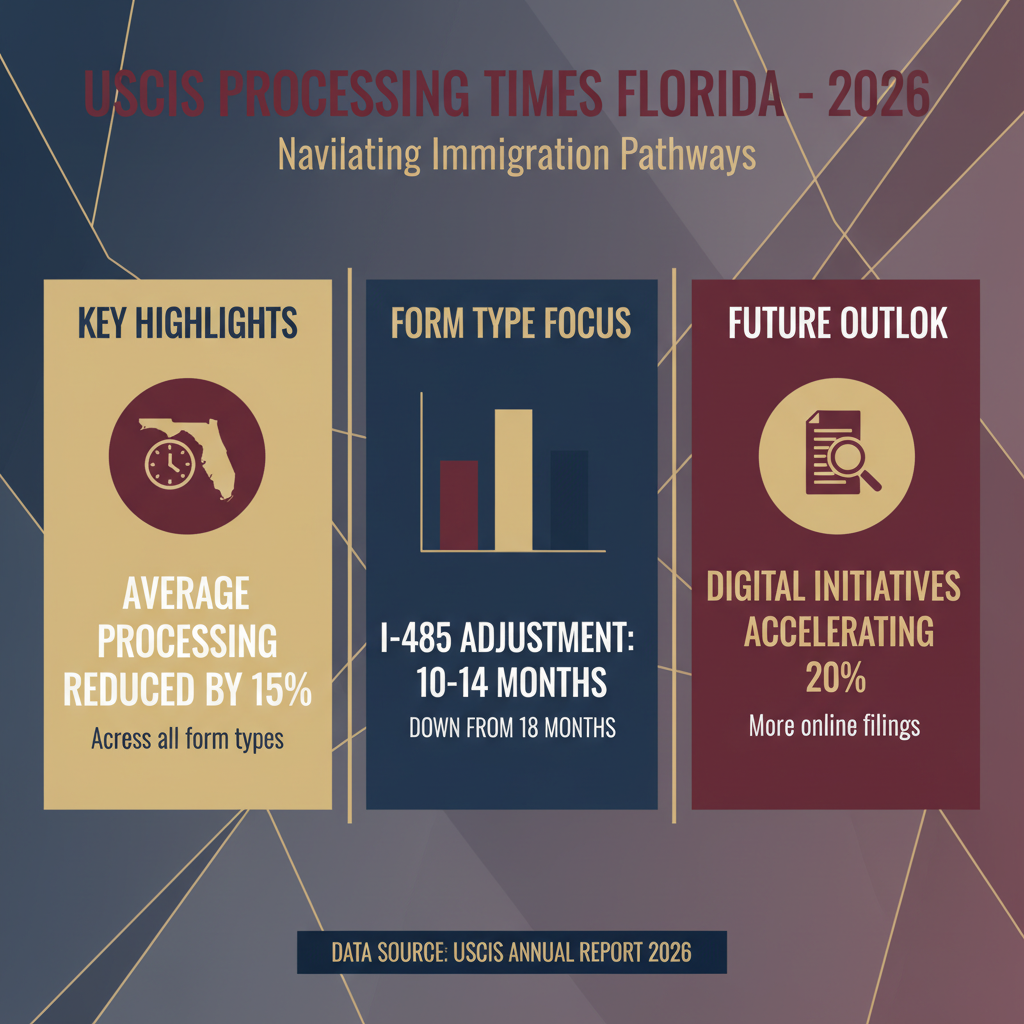
Recent updates from the United States Citizenship and Immigration Services (USCIS) have highlighted significant changes in the processing times for various immigration applications. These updates come as part of an ongoing effort to address backlogs and improve efficiency in the processing of immigration benefits. The changes are particularly relevant as they reflect the broader administrative policy shifts aimed at streamlining immigration procedures.
How it can affect Florida residents
For immigrants residing in Orlando and across Florida, these updates are critical. The changes in processing times can influence the timeline for family reunifications, work authorizations, and other immigration benefits. Florida, being a state with a large immigrant population, especially in the I-4 corridor, is directly impacted. Understanding these updates can help residents better plan their immigration journeys and set realistic expectations.
What USCIS Processing Times Are (and Why It Matters)
A plain-English definition
USCIS Processing Times refer to the duration it takes for the USCIS to process and adjudicate applications for immigration benefits, such as visas, green cards, and citizenship. These times can vary widely depending on the type of application, the service center handling the case, and the current backlog.
Key terms you need to know
- Adjustment of Status: The process by which an eligible individual already in the United States can become a lawful permanent resident (green card holder).
- Priority Date: The date when a petition or labor certification is filed, which determines an applicant’s place in line for a visa number.
- 90-day window: A critical period for filing certain documents or applications.
Understanding these terms is essential for navigating the immigration process effectively. They often determine the sequence and timing of application submissions.
Current Immigration Law: The Foundation
Federal requirements
The Immigration and Nationality Act (INA) governs immigration law in the United States. Key components include policies on family-based visas, employment-based visas, and humanitarian protections. For instance, immigrants must often file Form I-130 for family-based petitions and Form I-485 for Adjustment of Status.
Florida-specific considerations
In Florida, particularly in areas like Orlando and Orange County, the high volume of immigration cases means local offices, such as the Orlando USCIS Field Office, play a crucial role. The state's immigrant community must navigate both federal laws and the local office's specific procedures and timelines.
For more information, visit the USCIS official website.
How to Navigate USCIS Processing Times: A Complete Step-by-Step Guide
1) Determine Your Filing Category
Identify the specific USCIS application relevant to your situation, such as Form I-130 for family sponsorship or Form I-485 for Adjustment of Status.
- Required Documents: Proof of relationship, identification documents.
2) Check Current Processing Times
Visit the USCIS Processing Times page to find the latest estimates for your application type and service center.
3) Gather Required Documentation
Assemble all necessary paperwork, ensuring accuracy and completeness to avoid delays.
- Required Documents: Birth certificates, passport copies, marriage certificates if applicable.
4) Submit Your Application
File your application with the correct service center, following the guidelines provided by USCIS.
- Required Documents: Completed application forms, payment of fees.
5) Monitor Your Application Status
Use the USCIS online case status tool to track your application's progress. Sign up for notifications to stay informed.
Need Help? Our Orlando immigration team is ready to assist. Call +1 786-791-3106 for a free consultation, or message us online. Se Habla Español.
Practical Steps You Can Take Today
- Check the USCIS Processing Times regularly for updates.
- Prepare all documents meticulously to avoid processing delays.
- Consult with an immigration attorney for personalized guidance.
- Set realistic timelines based on current processing times.
- Stay informed about policy changes affecting your immigration status.
How Imigrar Helps Immigrants in Orlando
At Imigrar, we pride ourselves on our deep expertise in immigration law and our commitment to keeping families together. Our experienced team offers personalized legal services to guide you through every step of the immigration process. We provide free consultations to evaluate your case and offer strategic advice. Se Habla Español, ensuring clear communication for all our Spanish-speaking clients.
Need Help? Our Orlando immigration team is ready to assist. Call +1 786-791-3106 for a free consultation, or message us online. Se Habla Español.
Frequently Asked Questions
Q: How do I know if I am eligible for Adjustment of Status?
A: Eligibility for Adjustment of Status typically requires you to be physically present in the U.S. and have an approved visa petition. Check specific requirements on the USCIS official website.
Q: What impact do processing times have on my immigration status?
A: Delays in processing can affect timelines for employment, travel, and family reunification. Understanding current processing times helps in planning accordingly.
Q: How can I expedite my application?
A: Expedited processing is available in certain circumstances, such as financial hardship. Consult with an attorney to explore your options.
Q: What documents are required for a family-based petition?
A: Typically, you'll need proof of relationship, such as marriage or birth certificates, and identification documents. Refer to USCIS Forms for detailed requirements.
Q: How much does it cost to file an immigration petition?
A: Costs vary depending on the type of petition. It's crucial to check the latest fee schedule on the USCIS official website.
Q: What happens if my application is denied?
A: If denied, you may have options to appeal or file a motion to reopen. Seek legal advice to understand the best course of action.
Common Mistakes (and How to Avoid Them)
Mistake #1: Submitting Incomplete Applications
Failure to provide all required documents can result in delays or denials. Double-check your application before submission.
Mistake #2: Missing Deadlines
Not adhering to crucial deadlines, such as the 90-day window, can jeopardize your application. Use reminders to stay on track.
Mistake #3: Not Seeking Professional Help
Immigration law is complex. Relying solely on online resources without expert guidance can lead to costly errors.
Need Help? Our Orlando immigration team is ready to assist. Call +1 786-791-3106 for a free consultation, or message us online. Se Habla Español.
External Authority Links
- USCIS official website
- U.S. Department of State
- Executive Office for Immigration Review
- USCIS Processing Times
- USCIS Forms
Closing CTA Section
At Imigrar, we understand the complexities of immigration law. Our team is dedicated to helping Orlando and Central Florida residents navigate these challenges effectively. Contact us today at +1 786-791-3106 for personalized assistance. Se Habla Español.


