


Navigating the U.S. immigration system can feel like a complex journey, often punctuated by periods of waiting and uncertainty. One of the most common concerns for immigrants and their families is understanding USCIS processing times – how long it will take for an application to be reviewed and a decision made. As we move further into 2026, the U.S. Citizenship and Immigration Services (USCIS) continues to implement strategies to manage application backlogs and improve efficiency. For those living in Orlando, across Florida, and throughout the nation, staying informed about these updates is crucial for planning your future.
At Imigrar, an Orlando-based immigration law firm, we are dedicated to helping families navigate these complex processes. Our mission is simple: "Keep Families Together." We understand the anxiety that comes with long waiting periods and are here to provide clear, actionable guidance every step of the way. Se Habla Español.
Need Help? Our Orlando immigration team is ready to assist. Call +1 786-791-3106 for a free consultation, or message us online. Se Habla Español.
The reporting that sparked this guide:

USCIS Processing Times and Updates for 2026 (USCIS)
What This News Means for Immigrants in Orlando and Across Florida
The continuous updates from USCIS regarding processing times are more than just statistics; they represent the real-life timelines for thousands of individuals and families hoping to reunite, work, study, or establish a permanent home in the United States. For immigrants in Orlando and throughout Florida, these updates directly impact personal and professional planning.
Why this news is showing up now
USCIS consistently reviews and updates its processing time data. These updates are a reflection of several dynamic factors: the volume of new applications received, the agency's current staffing levels, budget allocations, and ongoing efforts to reduce historical backlogs. In 2026, USCIS has been particularly focused on leveraging technology and streamlining internal processes to improve efficiency. This push is a direct response to the significant increase in immigration filings over recent years, coupled with a commitment to enhance service delivery. Policy changes at the federal level can also influence processing priorities and, consequently, the time it takes to adjudicate different types of applications. For example, a shift in focus towards family reunification or certain employment-based categories can lead to fluctuations in their respective processing times. The goal, as stated by USCIS, is to move towards more predictable and transparent processing, though the reality of immigration caseloads means constant adjustments.
How it can affect Florida residents
Florida, with its diverse population and significant immigrant communities, is particularly sensitive to changes in USCIS processing times. Whether you're in Orlando, Miami, Tampa, or anywhere along the I-4 corridor, these updates can have a profound impact:
- Family Reunification: For those with pending Form I-130 (Petition for Alien Relative) or Form I-485 (Application to Register Permanent Residence or Adjust Status) applications, fluctuating times mean longer or shorter waits for loved ones to join them or adjust their status. In Central Florida, where many families have international ties, this is a top concern.
- Employment Opportunities: Business owners and skilled workers in Orlando and throughout the state rely on timely processing of employment-based petitions (e.g., Form I-129 for nonimmigrant workers) and employment authorization documents (Form I-765). Delays can impact job starts, business operations, and economic stability.
- Travel and Planning: Uncertainty in processing times makes it difficult for individuals to plan international travel, renew driver's licenses, or even apply for loans, as their immigration status might be in flux.
- Local USCIS Field Office Impact: The Orlando USCIS Field Office handles a significant volume of interviews and local adjustments of status. While federal processing times are generally uniform by service center, local field office workloads can affect interview scheduling and final adjudication for residents of Orange County and surrounding areas.
- Stress and Anxiety: Perhaps most importantly, prolonged processing times contribute to immense stress and anxiety for immigrants and their U.S. citizen or permanent resident family members. Knowing the current estimates and having a strategy to navigate them is invaluable.
Understanding these impacts is the first step towards proactive planning. At Imigrar, we specialize in helping Florida residents understand their specific situation and navigate these federal changes effectively.
What USCIS Processing Times Are (and Why They Matter)
At its core, USCIS processing times refer to the period it takes for the U.S. Citizenship and Immigration Services to process an immigration application or petition from the date of submission to the date a decision is made. These times are not static; they fluctuate based on various factors, including the type of application, the specific USCIS service center or field office handling the case, and the overall volume of applications.
A plain-English definition
Imagine you've sent an important letter, and you're waiting for a reply. USCIS processing times are essentially the "waiting period" for your immigration application. It's the time between when USCIS receives your application (your Receipt Date) and when they take a final action on it, such as approving, denying, or issuing a Request for Evidence (RFE). These times are estimates, not guarantees, and they are published by USCIS to give applicants an idea of how long they might expect to wait. They are updated monthly on the USCIS Processing Times page.
Key terms you need to know
To effectively understand and track your immigration case, familiarity with these terms is essential:
- Processing Times: The estimated duration for USCIS to adjudicate a specific form at a particular service center or field office.
- Receipt Date: The date USCIS officially receives your application. This is typically the start of your processing time.
- Priority Date: For certain preference categories (family-sponsored and employment-based), this is the date your petition was properly filed. It determines your place in line for an available visa number, as indicated by the U.S. Department of State's Visa Bulletin.
- Case Inquiry Date: The earliest date you can contact USCIS to inquire about your case if it is taking longer than the posted processing times.
- Service Center: One of several large USCIS facilities (e.g., California, Nebraska, Texas, Vermont) that process petitions and applications that do not require an interview.
- Field Office: Local USCIS offices (like the Orlando USCIS Field Office) that primarily handle interviews for adjustment of status applications, naturalization, and other localized services.
- Biometrics Appointment: A scheduled appointment where USCIS collects fingerprints, photographs, and a signature for background checks.
- Request for Evidence (RFE): A notice from USCIS requesting additional documents or information to support your application. Responding promptly and completely is critical to avoid delays.
- Notice of Intent to Deny (NOID): A notice from USCIS indicating their intention to deny your application unless you provide specific information or explanation within a certain timeframe. This is a serious notice requiring immediate legal attention.
- Adjustment of Status: The process by which an eligible foreign national already in the United States can apply for lawful permanent resident status (a Green Card) without having to return to their home country to complete visa processing. This typically involves filing Form I-485.
Understanding these terms empowers you to track your case more effectively and communicate clearly with USCIS or your legal representative. For Central Florida residents, knowing whether your case is handled by a service center or will eventually be routed to the Orlando USCIS Field Office for an interview can significantly impact your timeline expectations.
Current Immigration Law: The Foundation of Processing
The entire U.S. immigration system, including how applications are processed and adjudicated, is governed by a complex framework of federal laws and regulations. The primary law is the Immigration and Nationality Act (INA), which outlines the conditions for who can enter, reside, and become a citizen of the United States. While processing times themselves are administrative estimates, they are directly influenced by the legal requirements and procedures mandated by the INA.
Federal requirements
Every immigration application, regardless of its type, must meet specific federal requirements to be considered valid and eligible for approval. These requirements are enshrined in the INA and further elaborated in the Code of Federal Regulations. Key aspects include:
- Eligibility Criteria: Each visa category (e.g., family-based, employment-based, humanitarian) has specific criteria that an applicant must meet. For instance, a U.S. citizen petitioning a spouse must prove a valid marriage (INA 201). An applicant for Adjustment of Status must generally have been inspected and admitted or paroled into the U.S. and be eligible for a visa (INA 245).
- Documentation: Applicants must provide a wide array of supporting documents to prove eligibility, identity, relationships, financial solvency (often with Form I-864, Affidavit of Support), and good moral character. Incomplete documentation is a leading cause of RFEs and delays.
- Filing Fees: Almost all applications require a specific fee, which must be paid at the time of filing. Fee waivers are available for certain low-income applicants.
- Background Checks: All applicants undergo rigorous background and security checks, including fingerprinting (biometrics) and inter-agency checks, to ensure national security and public safety.
- Medical Examinations: Most applicants for Green Cards must undergo a medical examination by a USCIS-approved civil surgeon (Form I-693), ensuring they are not inadmissible on health-related grounds.
These requirements are non-negotiable and apply uniformly across the nation. USCIS officers are bound by these laws and regulations when reviewing each case.
Florida-specific considerations
While immigration law is federal, applying uniformly across all states, there are practical considerations for Florida residents:
- No State-Level Immigration Laws: Florida does not have its own separate immigration laws that determine eligibility for federal immigration benefits. All applications are judged against federal standards.
- Local Enforcement: State and local law enforcement agencies in Florida may interact with federal immigration authorities (like ICE) through various programs, which can impact individuals whose immigration status is precarious.
- Prevalence of Certain Cases: Due to its demographics and geography, Florida sees a high volume of certain types of cases. For example, family-based petitions (Form I-130, Form I-485) are common, as are cases under specific humanitarian provisions. The Orlando USCIS Field Office processes a significant number of these applications for local residents.
- Community Resources: Florida has a robust network of community organizations and legal aid groups that support immigrants, though the demand for services often outstrips availability.
Understanding the federal foundation of immigration law is paramount. For detailed guidance on specific forms and legal requirements, always refer to the USCIS official website and consult with an experienced immigration attorney.
Feeling Overwhelmed by Forms and Laws? Our expert team at Imigrar can clarify the legal requirements for your specific case and ensure all federal guidelines are met. Contact us at +1 786-791-3106 for a free consultation. Se Habla Español.
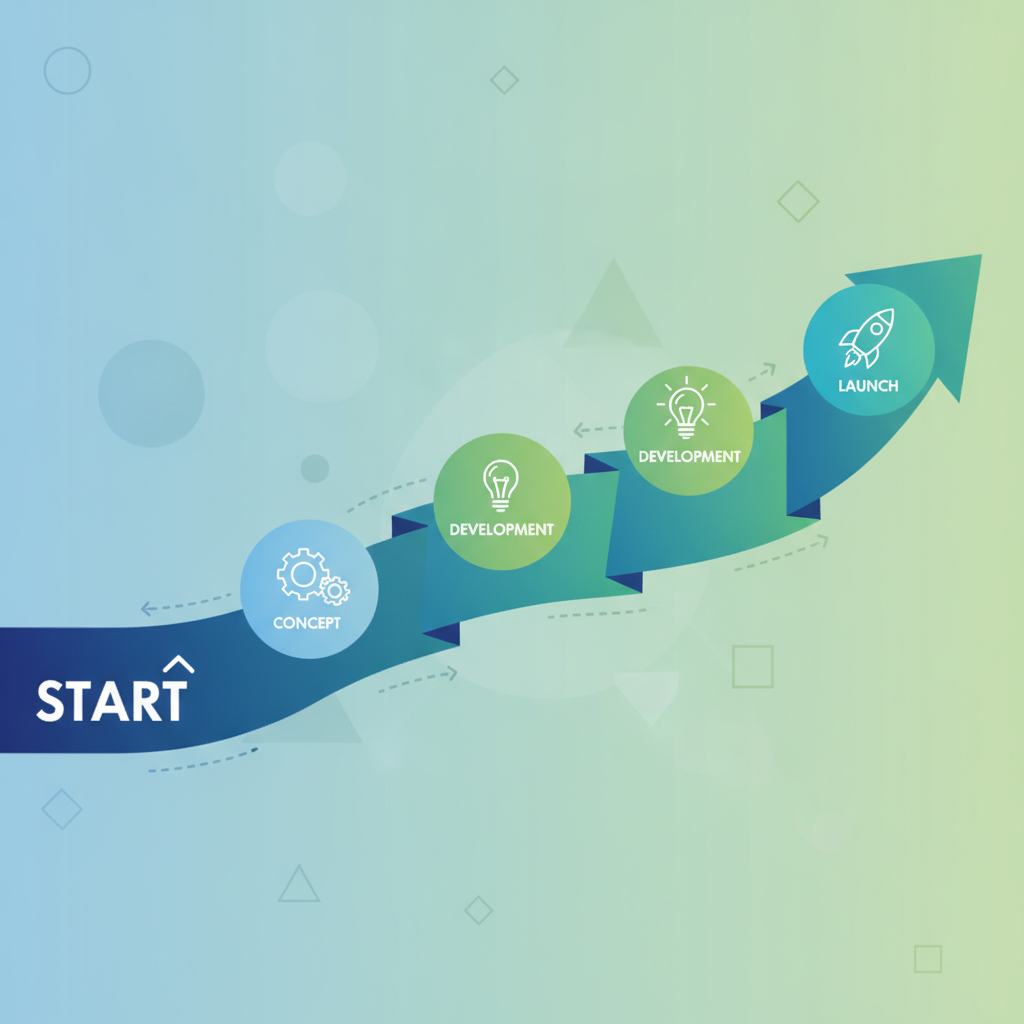
How to Navigate USCIS Processing Times: A Complete Step-by-Step Guide
Managing your expectations and proactively engaging with the USCIS process can significantly reduce stress and help you respond effectively to any challenges. This guide focuses on how to monitor and manage your application's journey through the USCIS system, especially concerning processing times.
1) Understand Your Application Type and Relevant Processing Times
The first and most critical step is to identify the specific USCIS form you have filed or plan to file, and then locate its associated processing times. These times vary dramatically by form type, the specific USCIS service center or field office adjudicating your case, and sometimes even by the specific category within a form (e.g., immediate relative vs. family preference categories for Form I-130).
- Identify Your Form: Know your form number (e.g., Form I-130, Form I-485, Form N-400 for naturalization, Form I-765 for work authorization, Form I-131 for travel document).
- Locate Your Service Center/Field Office: Your receipt notice (Form I-797C) will indicate which service center (e.g., Texas, Nebraska) or field office (e.g., Orlando USCIS Field Office) is handling your case.
- Check Official USCIS Processing Times: Regularly visit the USCIS Processing Times page. Input your form number and filing location to get the most current estimates.
- Understand the Ranges: USCIS provides a range (e.g., "8 to 14 months"). Your case may fall anywhere within or even outside this range.
2) Monitor Your Case Status Online
USCIS provides an online tool to track the status of your application. This is your primary resource for real-time updates.
- Use Your Receipt Number: You will need the 13-character receipt number from your Form I-797C (e.g., EAC-XX-XXX-XXXXX).
- Visit the Case Status Tool: Go to the USCIS Case Status Online page and enter your receipt number.
- Understand Status Messages: Common statuses include "Case Was Received," "Biometrics Appointment Was Scheduled," "Request for Evidence Was Sent," "Interview Was Scheduled," or "Case Was Approved."
- Check Regularly: While daily checks aren't necessary, check weekly or bi-weekly to stay informed.
Reminder: The online status tool provides the most recent update, but it doesn't always reflect internal processing. Delays between status updates are common.
3) Know When and How to Make an Inquiry
If your case appears to be taking longer than the posted processing times, you may be eligible to make an inquiry with USCIS.
- Determine Eligibility: First, check the USCIS Processing Times page again. It will indicate a "Case Inquiry Date" for your specific form and office. If your Receipt Date is earlier than this inquiry date, you are eligible to make a service request.
- Online Service Request: The easiest way to inquire is through the USCIS website. You can submit an "Outside Normal Processing Time" service request.
- Contact the USCIS Contact Center: If you prefer to speak with someone or have trouble online, you can call the USCIS Contact Center. Be prepared with your receipt number, personal information, and details of your application.
- Document Your Inquiry: Keep a record of the date you made the inquiry, the method used, and any reference numbers provided.
Important: Do not make inquiries before your case is outside the normal processing time; it will not speed up your application and can tie up resources.
4) Respond Promptly to RFEs and NOIDs
Receiving an RFE or NOID can be alarming, but it's a critical opportunity to keep your application on track. Delays in responding, or submitting an incomplete response, are major causes of further processing delays or even denials.
- Read Carefully: Thoroughly review the RFE or NOID to understand exactly what information or documents USCIS is requesting.
- Gather Documents: Collect all requested documents. If original documents are requested, ensure you provide them (and keep copies for yourself). If certified translations are needed, obtain them.
- Meet the Deadline: RFEs and NOIDs typically provide a 90-day window for response. Mark this deadline clearly and aim to submit your response well in advance.
- Seek Legal Assistance: If you are unsure how to respond or if the request is complex, immediately consult with an immigration attorney from Imigrar. An attorney can help you formulate a comprehensive and accurate response.
- Submit Complete Response: Send all requested items together, following the instructions precisely. Include the original RFE/NOID notice.
5) Prepare for Interviews and Biometrics
For many applications, especially Form I-485 (Adjustment of Status) and Form N-400 (Naturalization), an interview at a local field office (like the Orlando USCIS Field Office) and a prior biometrics appointment are required.
- Biometrics Appointment: You


