


The journey to a new life in the United States is often marked by anticipation and, frequently, by the waiting game of immigration processing. For immigrants in Orlando, across Florida, and nationwide, understanding current USCIS processing times and updates is not just helpful—it’s absolutely critical for planning your future.
Feeling overwhelmed by USCIS processing times? Our Orlando immigration team is ready to assist. Call +1 786-791-3106 for a free consultation, or message us online. Se Habla Español.
The reporting that sparked this guide

This comprehensive guide is inspired by the latest information and trends concerning USCIS Processing Times and Updates for 2026 (USCIS), reflecting ongoing discussions and official announcements from U.S. Citizenship and Immigration Services regarding application backlogs, efficiency initiatives, and policy adjustments that impact how quickly immigration benefits are processed.
What This News Means for Immigrants in Orlando and Across Florida
The landscape of immigration is constantly shifting, and 2026 brings its own set of challenges and opportunities regarding USCIS processing. For individuals and families living in Florida, these updates have tangible implications.
Why this news is showing up now
USCIS processing times are not static; they are dynamic estimates influenced by a multitude of factors. The reason these updates are prominently featured now, in 2026, stems from several key drivers:
- Post-Pandemic Backlogs: While the immediate impact of the COVID-19 pandemic has receded, the accumulated backlog of applications continues to affect processing times. USCIS has been working to reduce these backlogs, but the sheer volume of submissions means it's an ongoing effort.
- Budgetary Allocations and Staffing: USCIS primarily funds its operations through application fees. Congressional appropriations and agency budgets for fiscal years leading up to and including 2026 play a significant role in staffing levels, technology upgrades, and overall capacity to process cases. Any changes here directly impact wait times.
- Policy and Regulatory Changes: New immigration policies, executive orders, or regulatory amendments can introduce new steps, require additional scrutiny, or reprioritize certain application types, all of which can alter processing timelines.
- Application Volume: The number of new applications filed annually fluctuates. Periods of high demand, perhaps due to economic stability or shifts in global events, can naturally extend processing times.
- Technological Modernization: USCIS is continually working to modernize its systems, including transitioning to online filing and digital case management. These transitions, while ultimately aimed at improving efficiency, can sometimes cause temporary disruptions or require adjustments that affect current processing estimates.
These factors combine to create a constantly evolving environment, making regular updates on processing times essential for applicants and legal professionals alike.
How it can affect Florida residents
Florida, particularly Central Florida and the Orlando metropolitan area, is home to a vibrant and diverse immigrant population. The impact of USCIS processing updates resonates deeply here:
- Orlando USCIS Field Office Delays: While many applications are processed at national service centers, cases requiring interviews, such as those for Adjustment of Status (Form I-485), typically go through local field offices. The Orlando USCIS Field Office, serving Orange County and surrounding areas, can experience unique backlogs and appointment scheduling challenges based on local demand and staffing.
- Family Reunification: Many Florida residents rely on family-based petitions (Form I-130) to reunite with loved ones. Extended processing times mean longer separations, impacting families throughout the state.
- Employment Opportunities: For those seeking employment authorization (Form I-765) or employment-based green cards (e.g., through Form I-140), delays can mean prolonged uncertainty, affecting job prospects and economic stability along the I-4 corridor and beyond.
- Naturalization Process: Residents applying for U.S. citizenship (Form N-400) in Florida are also subject to processing times, which can delay their ability to vote, travel with a U.S. passport, or sponsor relatives.
- Planning and Uncertainty: Longer wait times create significant stress and uncertainty for immigrants. This affects decisions about housing, education, career paths, and even starting a family. Knowing what to expect, even if it's a long wait, allows for better planning.
Understanding these impacts is the first step in navigating the immigration process effectively. Imigrar is here to help Florida residents understand and respond to these challenges.
What USCIS Processing Times Are (and Why It Matters)
When you submit an immigration application to USCIS, one of the most pressing questions is, "How long will it take?" The answer lies in understanding USCIS processing times.
A plain-English definition
USCIS Processing Times are the estimated duration it takes for U.S. Citizenship and Immigration Services to process an application or petition from the date it is received until a final decision is made. These are not guarantees, but rather estimates based on historical data and current workload. They vary significantly depending on the type of form, the specific immigration benefit sought, the service center or field office handling the case, and even the individual circumstances of the applicant.
For example, a family-based petition (Form I-130) might have a different processing time than an application for employment authorization (Form I-765). Furthermore, the time it takes to process these forms at the California Service Center could differ from the Nebraska Service Center, or at the Orlando Field Office versus the Miami Field Office.
These times are crucial because they dictate when you might expect an interview, receive an approval, or get a Request for Evidence (RFE). They directly impact your ability to work, travel, or reunite with family.
Key terms you need to know
To effectively monitor your case and understand USCIS updates, familiarize yourself with these essential terms:
- Processing Time: The estimated range of time USCIS expects to take to process a particular form type.
- Receipt Date: The official date USCIS received your application or petition. This is typically indicated on your Form I-797C, Notice of Action.
- Notice Date: The date printed on any notice or correspondence you receive from USCIS (e.g., receipt notices, RFEs).
- Priority Date: For certain visa categories (especially family-sponsored and employment-based preference categories), this is the date your petition was properly filed with USCIS. It determines your place in the visa queue and when a visa number might become available, as shown in the Visa Bulletin. This is distinct from your Receipt Date.
- Service Center: One of several national processing centers (e.g., California, Nebraska, Texas, Vermont) where most initial applications are adjudicated.
- Field Office: A local USCIS office (e.g., the Orlando USCIS Field Office) that handles interviews, naturalization ceremonies, and certain local case adjudications.
- Case Status Online: The online tool provided by USCIS to check the real-time status of your individual application using your receipt number.
- Adjustment of Status (AOS): The process by which an eligible immigrant already in the United States applies for lawful permanent resident (green card) status without having to return to their home country for visa processing. This typically involves filing Form I-485.
- Consular Processing: The process by which an eligible immigrant applies for an immigrant visa at a U.S. embassy or consulate abroad. Once approved, they enter the U.S. as a lawful permanent resident.
- Request for Evidence (RFE): A notice from USCIS requesting additional documents or information to support your application. Responding promptly and thoroughly is critical.
- Notice of Intent to Deny (NOID): A notice from USCIS indicating that they intend to deny your application unless you provide specific information or explanation. This is a serious notice requiring immediate attention.
Don't let complex terminology delay your case. Imigrar's expert attorneys can guide you. Call +1 786-791-3106 for a free consultation, or message us online. Se Habla Español.
Current Immigration Law: The Foundation of Processing Times
While USCIS processing times are operational estimates, they are ultimately governed by the complex framework of U.S. immigration law. Understanding this legal foundation helps clarify why certain processes exist and why delays can occur.
Federal requirements
The bedrock of U.S. immigration law is the Immigration and Nationality Act (INA). This comprehensive statute, first enacted in 1952 and frequently amended, dictates who is eligible for immigration benefits, the procedures for applying, and the authority of agencies like USCIS to adjudicate these applications. Key sections of the INA that heavily influence processing times include:
- INA Section 201-203: These sections establish the numerical limitations and preference categories for immigrant visas (green cards), including family-sponsored (e.g., spouses, children, siblings of U.S. citizens/LPRs) and employment-based immigrants (e.g., skilled workers, professionals). The annual caps and preference system directly lead to the concept of a Priority Date and the Visa Bulletin, creating waiting periods for many categories.
- INA Section 204: Outlines the petitioning process, such as filing Form I-130 for family members or Form I-140 for employment-based immigrants, which are prerequisites for obtaining green card status.
- INA Section 245: Governs Adjustment of Status (AOS), allowing eligible individuals already in the U.S. to obtain a green card without leaving the country. This involves filing Form I-485 and typically includes an interview at a local USCIS field office, like the Orlando Field Office.
- INA Section 316: Specifies the residency and physical presence requirements for naturalization, leading to the filing of Form N-400.
Federal regulations, found in Title 8 of the Code of Federal Regulations (8 CFR), further detail the procedures and requirements for each immigration benefit. These regulations specify required documents, filing locations, interview procedures, and the criteria for approvals and denials.
While the INA doesn't typically impose strict statutory deadlines on USCIS for adjudicating most applications (unlike some other government agencies), it does mandate a fair and transparent process. The Administrative Procedure Act (APA) provides a framework for how federal agencies, including USCIS, must operate, ensuring due process and public accountability. USCIS is continually refining its processes in response to legal challenges, policy directives, and operational reviews, all within the bounds of federal law.
Florida-specific considerations
While immigration law is federal, its application and impact are deeply felt at the state and local levels. For Florida residents, several considerations are important:
- Local Field Office Caseloads: The sheer volume of immigration applications and petitions filed by Florida residents means that local USCIS Field Offices, such as the one in Orlando, often have substantial caseloads. This can influence interview scheduling and the final stages of Adjustment of Status applications.
- State-Level Policies: Although Florida cannot create its own immigration laws, state policies can impact immigrants. For instance, state laws regarding driver's licenses for non-citizens, access to certain public benefits, or professional licensing can become more urgent for individuals whose immigration status is pending due to USCIS processing times. Delays can mean prolonged periods without access to these essential services.
- Economic Impact: Florida's economy, particularly in sectors like hospitality, agriculture, and construction, relies heavily on immigrant labor. Delays in processing employment authorizations (Form I-765) or employment-based green cards can have ripple effects on businesses and the state's workforce.
- Community Resources: Florida has numerous non-profit organizations and community groups dedicated to assisting immigrants. These organizations often help individuals navigate long processing times by providing legal aid referrals, language services, and support networks.
Navigating the federal legal framework and understanding its local implications is a key part of Imigrar's service to our clients in Orlando and across Florida. We help ensure that your application adheres to all requirements and that you are prepared for every stage of the process.
For more detailed information on specific forms and requirements, always refer to the USCIS Forms page on the USCIS official website.
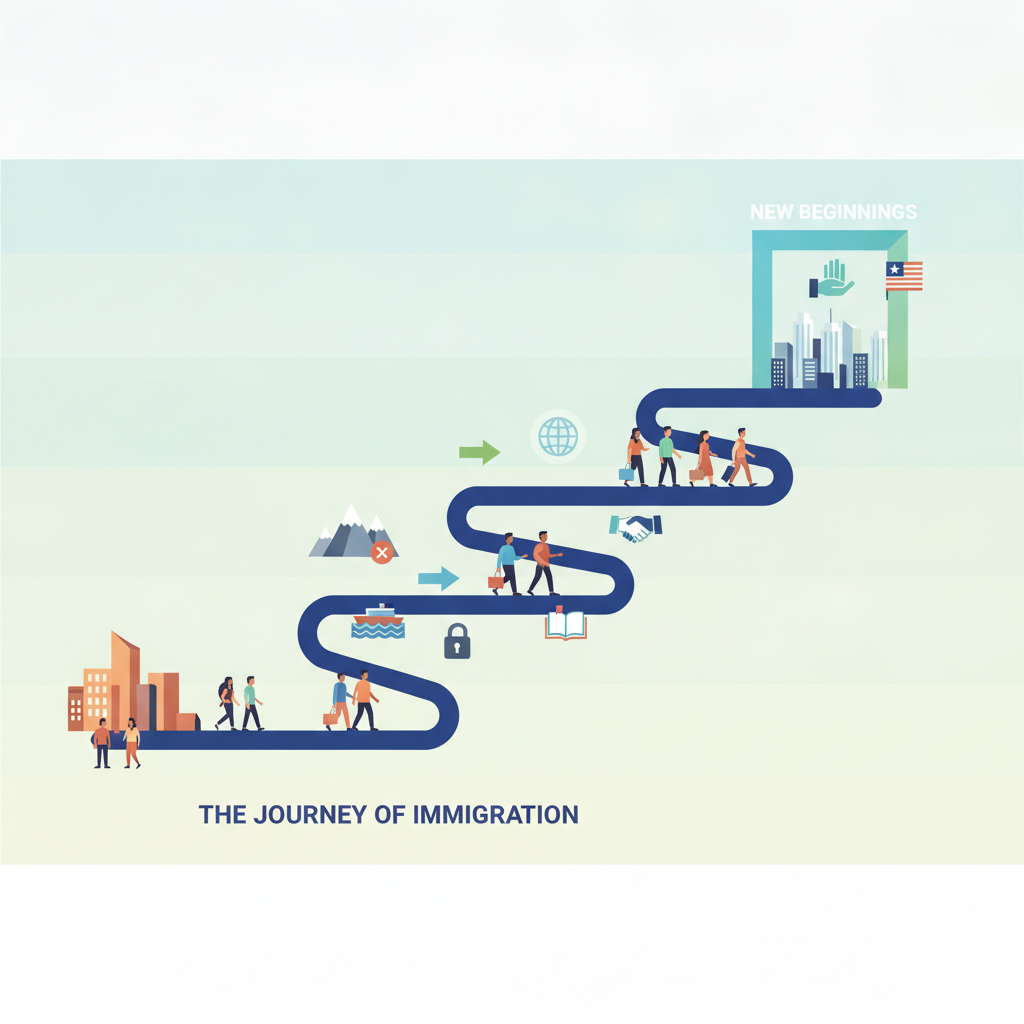
How to Monitor and Expedite Your USCIS Application: A Complete Step-by-Step Guide
Understanding USCIS processing times is one thing; proactively managing your application during these periods is another. Here’s a comprehensive guide to monitoring your case and exploring options for expediting, particularly relevant for the 2026 landscape.
1) Understand Your Application and Its Category
Before you can monitor your case, you need to know exactly what you filed. This foundational step is often overlooked but is crucial for accurate tracking.
- Identify the Form Type: Which specific USCIS form did you submit? Common forms include:
- Form I-130 (Petition for Alien Relative)
- Form I-485 (Application to Register Permanent Residence or Adjust Status)
- Form I-765 (Application for Employment Authorization)
- Form I-131 (Application for Travel Document)
- Form N-400 (Application for Naturalization)
- Note Your Receipt Date and Number: When USCIS accepts your application, they send a Form I-797C, Notice of Action. This document contains your official Receipt Date and a unique 13-digit Receipt Number (e.g., EAC-23-123-45678). This number is your key to tracking.
- Determine the Service Center/Field Office: The Form I-797C also usually indicates which USCIS Service Center (e.g., California, Nebraska, Texas, Vermont) or Field Office (e.g., Orlando USCIS Field Office) is handling your case. This is vital because processing times vary by location.
Required Documents for this step: Your original Form I-797C Receipt Notice, and a copy of the application you filed.
2) Check Official USCIS Processing Times Online
Once you have your application details, you can check the estimated processing times.
- Access the Tool: Go to the official USCIS Processing Times website.
- Input Your Information: Select your Form Type (e.g., I-485), the Form Category (e.g., Family-Based Adjustment of Status), and the Field Office or Service Center handling your case.
- Understand the Results: The tool will display a range of processing times (e.g., 10 to 18 months). It also shows a "receipt date for a case inquiry." If your receipt date is *before* this inquiry date, your case is outside normal processing times, and you may be able to submit an inquiry.
Important: These are estimates. Your case may be processed faster or slower.
Required Documents for this step: Your Receipt Number from Form I-797C to identify your form and location details.
3) Monitor Your Case Status Online
Beyond general processing times, you can check the specific status of your individual case.
- Use the Case Status Tool: Visit the USCIS Case Status Online page.
- Enter Your Receipt Number: Input your 13-digit Receipt Number.
- Review Updates: The system will show you the latest action on your case (e.g., "Case Was Received," "Fingerprint Review Was Completed," "Interview Was Scheduled," "New Card Is Being Produced"). While it doesn't give a timeline, it confirms progress.
Reminder: Check this periodically, but don't obsess daily. Significant updates are usually accompanied by a mailed notice.
Required Documents for this step: Your Receipt Number.
4) Respond Promptly to Requests for Evidence (RFEs) or Notices of Intent to Deny (NOIDs)
Receiving an RFE or NOID can significantly impact your processing time and the outcome of your case. Your response is critical.
- Understand the Request: Read the RFE or NOID carefully. It will specify exactly what information or documents are needed and the deadline for submission (often 30 to 90 days).
- Gather Evidence: Collect all requested documents. If you're unsure, consult an attorney.
- Submit on Time: Ensure your response is mailed or submitted online well before the deadline. Late responses can lead to denial.
- Keep Copies: Always keep a complete copy of your response, including all submitted evidence, and proof of mailing.
Warning: Failure to respond completely and on time to an RFE or NOID will almost certainly lead to a denial, forcing you to start over or appeal, both of which are time-consuming and costly.
Required Documents for this step: The RFE/NOID letter, original application copies, and all supporting evidence requested.


