USCIS Processing Times & Updates for 2026: Your Essential Guide
Feeling overwhelmed by USCIS processing times? Don't navigate the complexities alone. Our Orlando immigration team is ready to assist. Call +1 786-791-3106 for a free consultation, or message us online. Se Habla Español.
The reporting that sparked this guide: USCIS Processing Times and Updates for 2026 (USCIS)
What This News Means for Immigrants in Orlando and Across Florida
Why this news is showing up now
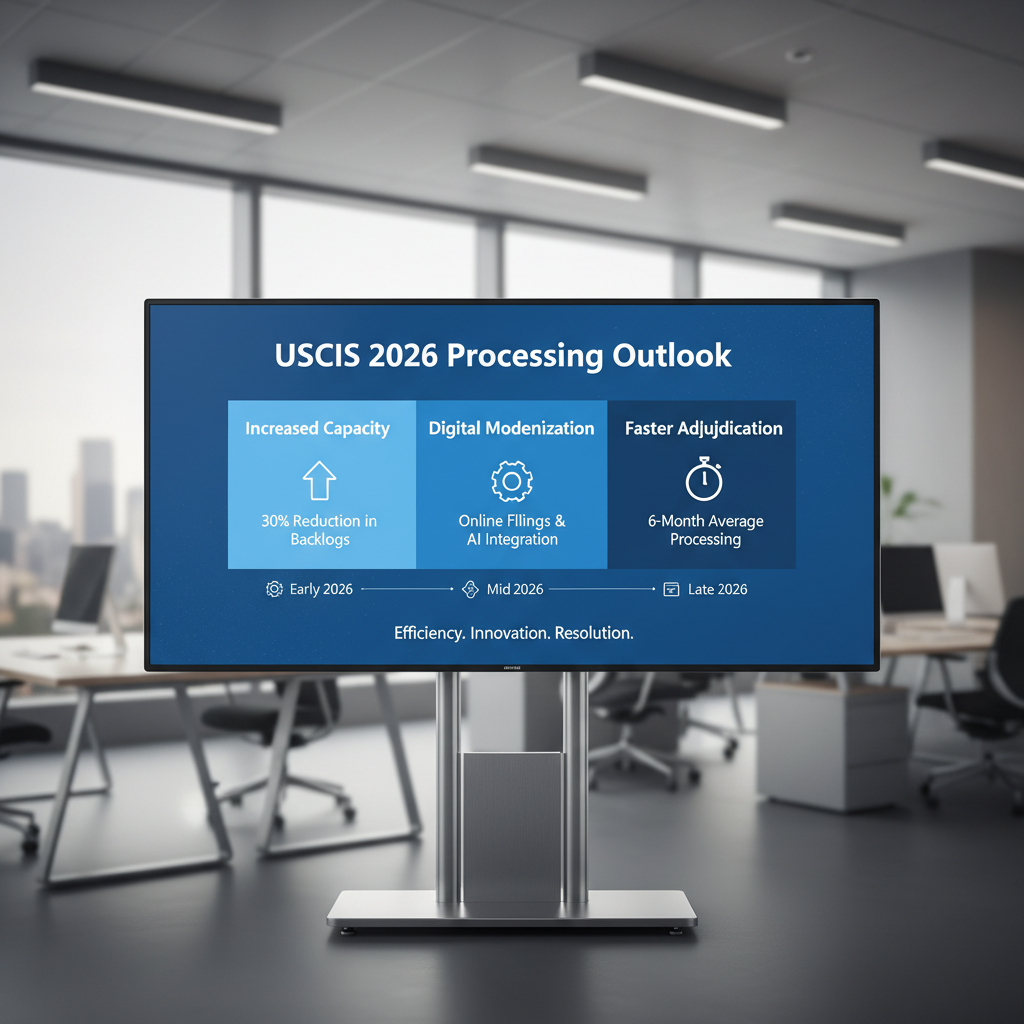
USCIS processing times are a perpetual topic of discussion because they are constantly in flux. Several factors contribute to why this news is particularly relevant as we approach and move through 2026: * **Post-Pandemic Backlog Recovery:** While significant strides have been made, the lingering effects of the COVID-19 pandemic, which caused office closures, reduced staffing, and operational shifts, continue to influence processing times. USCIS has been working diligently to reduce backlogs, but new application volumes also play a role. * **Technological Modernization Efforts:** USCIS is continuously investing in technological upgrades to streamline operations, move towards paperless processing, and improve efficiency. These initiatives, while beneficial in the long run, can sometimes cause temporary shifts or adjustments during implementation. * **Budgetary and Staffing Levels:** Congressional appropriations directly affect USCIS's ability to hire and retain staff, invest in technology, and maintain operations. Fluctuations in funding can lead to changes in processing capacity. * **Policy Changes and Priorities:** Shifts in immigration policy, legislative changes, or new administrative priorities can reallocate resources, leading to longer or shorter processing times for certain application types. For instance, a focus on humanitarian cases might temporarily affect employment-based petition processing. * **Increased Demand:** The sheer volume of new applications and petitions filed each year continues to grow. A higher intake without a proportional increase in processing capacity will naturally lead to longer wait times. * **Economic and Global Events:** Geopolitical events, economic shifts, and humanitarian crises can also influence immigration patterns and, consequently, USCIS workloads. As we look at 2026, these underlying factors continue to shape the processing landscape, making ongoing updates and close monitoring essential for all applicants.How it can affect Florida residents
For the diverse immigrant population residing in Florida, particularly in the bustling metropolitan area of Orlando and surrounding Central Florida counties like Orange County, updates to USCIS processing times have very real implications: * **Family Reunification:** Many Florida residents are sponsoring family members through forms like Form I-130 (Petition for Alien Relative) and Form I-485 (Application to Register Permanent Residence or Adjust Status). Longer processing times mean extended periods of separation for families or prolonged uncertainty about their loved ones' ability to join them in the U.S. This directly impacts Imigrar's core mission to "Keep Families Together." * **Employment and Economic Stability:** Delays in processing Form I-765 (Application for Employment Authorization) can prevent individuals from working legally, leading to severe financial hardship. For those seeking permanent residency through employment-based petitions, delays can impact career progression and economic integration within Florida’s dynamic job market. * **Travel and Mobility:** Individuals waiting for travel documents (Form I-131, Application for Travel Document) may face restrictions on visiting family abroad or attending critical events, creating personal and professional challenges. * **Legal Status and Peace of Mind:** Prolonged processing times can create immense stress and uncertainty. Applicants worry about maintaining their legal status, potential changes in law, or simply the anxiety of waiting. For Central Florida residents, understanding the specific caseloads and operational efficiency of the Orlando USCIS Field Office can be particularly relevant for interview scheduling and local processing of certain applications. * **Planning for the Future:** Whether it's buying a home, enrolling in higher education along the I-4 corridor, or starting a business, many life decisions are put on hold until an immigration application is approved. Processing delays directly impede these life plans. Understanding these impacts is the first step toward effectively managing your immigration journey. Imigrar is here to guide you through these challenges, offering expert advice tailored to your specific situation in Orlando and across the nation.What USCIS Processing Times Are (and Why It Matters)
At its core, "USCIS processing times" refers to the estimated period it takes for the U.S. Citizenship and Immigration Services (USCIS) to adjudicate (make a decision on) an immigration petition or application. It's a crucial metric that impacts every applicant in the system.A plain-English definition
Imagine you've sent an important letter, and you're waiting for a reply. USCIS processing time is like the post office's estimate of how long it will take for your letter to be delivered, read, and responded to. It's not a guaranteed timeline, but an average based on how long similar cases have taken in the past. These times are usually displayed as a range (e.g., "6 to 12 months") or as a date (e.g., "cases filed before January 1, 2025"). **Important:** These are estimates, not deadlines. Various factors can cause your specific case to take more or less time than the posted average.Key terms you need to know
To effectively understand and track your case, familiarize yourself with these essential terms: * **Processing Time:** The estimated duration from the date USCIS receives your application until a decision is made. This is what you typically check on the USCIS website. * **Receipt Date:** The exact date USCIS physically received your application or petition. This date is printed on your **Form I-797C**, Notice of Action (Receipt Notice). It’s the starting point for calculating your case’s processing duration. * **Notice Date:** The date USCIS issued your **Form I-797C** receipt notice. This might be a few days or weeks after the actual receipt date. * **Priority Date:** For certain visa categories (primarily family-sponsored and employment-based categories that are numerically limited), the **Priority Date** is the date your petition (e.g., **Form I-130** or **Form I-140**) was properly filed with USCIS. This date determines your place in the visa queue and is crucial for when a visa number becomes available, allowing you to file for **Adjustment of Status** (Form I-485) or apply for an immigrant visa abroad. * **Case Status:** An online tool provided by USCIS (USCIS Case Status Online) where you can enter your receipt number to see the latest update on your specific application (e.g., "Case Was Received," "Biometrics Appointment Was Scheduled," "New Card Is Being Produced"). * **Service Center vs. Field Office:** * **Service Centers** (e.g., California, Nebraska, Texas, Vermont) primarily handle mail-in applications and petitions that do not require an interview. * **Field Offices** (e.g., the Orlando USCIS Field Office) handle applications that typically require an interview (like most **Form I-485** applications for **Adjustment of Status**) and provide in-person services. The processing times for your case may depend on which service center or field office is handling it. * **Adjudication:** The process by which an immigration officer reviews your application, supporting documents, and conducts interviews to make a final decision. * **Backlog:** A buildup of unprocessed applications and petitions, often leading to extended processing times. USCIS continuously works to address and reduce these backlogs. **Why These Times Matter:** Understanding these processing times is paramount because they affect every aspect of an immigrant's life: * **Legal Status:** Delays can impact your ability to maintain legal status, renew work permits, or travel. * **Work Authorization:** Without a timely processed **Form I-765**, you might be unable to work, affecting your livelihood and ability to support your family. * **Family Unity:** Long waits for family-based petitions can prolong family separation, impacting emotional well-being and stability. * **Life Planning:** Buying property, pursuing education, planning career moves, or starting a business are often contingent on the approval of immigration benefits. * **Mental and Emotional Well-being:** The uncertainty and prolonged waiting periods can take a significant toll on mental health. Being informed and proactive is key to navigating these timelines effectively.Current Immigration Law: The Foundation of Processing Times
While processing times themselves are operational metrics rather than specific laws, they are directly influenced by the extensive framework of U.S. immigration law. The Immigration and Nationality Act (INA) is the primary body of law governing immigration, and its provisions dictate the categories of visas, eligibility requirements, and the processes USCIS must follow.Federal requirements
The **Immigration and Nationality Act (INA)**, along with subsequent amendments, forms the bedrock of U.S. immigration policy. Key aspects of federal law that influence processing times include: * **Visa Categories and Quotas (INA § 201, § 203):** Many visa categories, particularly family-sponsored and employment-based immigrant visas, are subject to annual numerical limitations. This creates the "visa bulletin" system managed by the U.S. Department of State, where a **Priority Date** must become current before an immigrant visa or **Adjustment of Status** (Form I-485) application can be approved. When demand exceeds supply, backlogs form, leading to extended waits for visa availability, which then impacts USCIS's ability to finalize applications. * **Eligibility Criteria:** Each form (e.g., Form I-130, Form I-485, Form I-765, Form I-131) has specific federal eligibility requirements. USCIS officers must thoroughly review each application to ensure all criteria are met, which involves checking documents, running background checks, and conducting interviews. * **Background and Security Checks:** Federal law mandates rigorous background and security checks for all immigration applicants. These checks are conducted by various federal agencies and are a non-negotiable part of the process, often contributing to processing delays, particularly if issues arise. * **Biometric Appointments:** All applicants for certain benefits (e.g., **Adjustment of Status**, work authorization, travel documents) are required to attend a biometric services appointment (fingerprints, photos, signature). The scheduling and processing of these appointments are federal requirements and can add to the overall timeline. * **Requests for Evidence (RFEs) and Notices of Intent to Deny (NOIDs):** If an application is incomplete or lacks sufficient evidence, federal regulations allow USCIS to issue RFEs or NOIDs. Responding to these properly is crucial, but the issuance and review process inherently extend processing times. * **Adjudication Standards:** Federal law sets the standards by which immigration officers must adjudicate cases, ensuring fairness and adherence to legal precedent. This meticulous review process, while necessary, contributes to the time required for each case. You can find detailed information about all forms and federal requirements on the USCIS official website.Florida-specific considerations
While immigration law is federal, its application and impact can feel different at the local level. For residents of Florida, especially in areas served by the Orlando USCIS Field Office, some considerations include: * **Local Office Caseload:** The volume and complexity of cases handled by the Orlando USCIS Field Office can influence the scheduling of interviews for applications like **Form I-485** and the processing of other local services. High demand in a rapidly growing state like Florida can strain resources. * **Regional Enforcement Priorities:** While USCIS is a federal agency, local USCIS field offices and Immigration and Customs Enforcement (ICE) offices may have specific enforcement priorities that indirectly affect how cases are processed or scrutinized in the region. * **Community Resources:** Florida, with its large immigrant population, has numerous non-profit organizations and legal aid services that support immigrants. While not part of the federal law, these resources can help navigate the process, especially for vulnerable populations. * **State-Level Policies (Indirect Impact):** Although state laws cannot dictate federal immigration policy, state-level legislation (e.g., laws concerning undocumented immigrants, driver's licenses) can create a broader environment that impacts immigrant communities, potentially affecting their ability to gather documents or access resources, which in turn can indirectly influence the ease of navigating the federal system. **Reminder:** It is crucial to remember that all immigration applications are processed under federal law, regardless of your state of residence. However, the operational realities and local circumstances in Florida can influence the practical experience of navigating the system.Worried about current immigration laws affecting your case? Imigrar has the expertise to guide you. Contact our Orlando office at +1 786-791-3106 for a free consultation. Se Habla Español.