

![ICE Cover-Up & Texas Fatal Shooting: What Immigrants Need to Know [2026]](/_next/image?url=https%3A%2F%2Fgbuudiafismgbqpzulue.supabase.co%2Fstorage%2Fv1%2Fobject%2Fpublic%2Fblog-images%2Fimmigration-header-1771650780459.png&w=3840&q=75)
What This News Means for Immigrants in Orlando and Across Florida
Why this news is showing up now
Recent reports suggest a possible ICE cover-up in a Texas fatal shooting, bringing renewed scrutiny to federal immigration enforcement practices. While the specific incident occurred in Texas, the implications of such allegations resonate deeply within immigrant communities nationwide, including here in Orlando, Florida. These stories often surface as investigations unfold, records are unsealed, or new testimonies emerge, highlighting the ongoing need for transparency and accountability from government agencies. Such revelations, even if from past events, can impact public trust and influence future policy discussions. For many, they underscore the importance of understanding one's rights when interacting with immigration officials. The involvement of federal immigration agents in the fatal shooting of Ruben Ray Martinez, for example, has raised questions about protocols and oversight that affect everyone, regardless of their immigration status.How it can affect Florida residents
While this particular incident took place in Texas, the actions of federal agencies like Immigration and Customs Enforcement (ICE) have a nationwide reach. For Florida residents, especially those in immigrant communities across Orlando and Central Florida, news of a possible ICE cover-up in a Texas fatal shooting can cause significant concern and anxiety. It reinforces the need for vigilance and knowledge about legal protections. Understanding these events can empower individuals to better protect themselves and their families. These concerns are particularly relevant in a state like Florida, which has a large and diverse immigrant population. Incidents involving federal immigration agents, regardless of location, can shape the perception of immigration enforcement and influence how local communities interact with federal authorities. It is crucial for residents to be informed and prepared, knowing that their rights are protected under the law.What a Possible ICE Cover-Up Is (and Why It Matters)
A plain-English definition
A possible ICE cover-up in a Texas fatal shooting refers to allegations that U.S. Immigration and Customs Enforcement (ICE) may have intentionally concealed or misrepresented information regarding an incident where one of its agents caused a death. In simpler terms, it means there's a suspicion that ICE tried to hide the truth or make an incident appear different from what actually happened. This could involve withholding evidence, issuing misleading statements, or obstructing investigations. Such allegations are extremely serious because they challenge the integrity and transparency of a government agency. When a law enforcement body is accused of a cover-up, it erodes public trust and raises fundamental questions about accountability and justice. For immigrants, this can be particularly alarming, as it suggests a potential lack of oversight in situations involving federal immigration agents.Key terms you need to know
Understanding the context of a possible ICE cover-up in a Texas fatal shooting involves several key terms: * ICE (U.S. Immigration and Customs Enforcement): This is a federal law enforcement agency under the U.S. Department of Homeland Security (DHS) responsible for enforcing immigration laws, investigating transnational crime, and ensuring border security. Its operations can involve arrests, detentions, and removals of individuals deemed to be in violation of immigration laws. * Fatal Shooting: This term refers to an incident where a person dies as a direct result of being shot by another individual, often in the context of law enforcement actions. The circumstances surrounding a fatal shooting by a federal immigration agent are subject to intense scrutiny. * Cover-Up: In a legal and journalistic sense, a cover-up means a deliberate attempt to conceal facts, evidence, or wrongdoing. This might involve misleading statements, destruction of evidence, or preventing investigations. Allegations of a cover-up suggest an intentional effort to obscure the truth from the public or other authorities. * Accountability: This principle holds that individuals and institutions are responsible for their actions and decisions, particularly those in positions of power. In cases of alleged misconduct, accountability means that those responsible should be held to answer for their actions, and appropriate consequences should follow. * Transparency: This refers to the openness and clarity with which an organization operates. In government, transparency means that information about operations, decisions, and incidents is readily available to the public, fostering trust and allowing for oversight. A lack of transparency can fuel suspicions of a cover-up. These terms are critical when discussing events where the involvement of federal immigration agents comes under question, especially in serious incidents like a fatal shooting.Need Help? Our Orlando immigration team is ready to assist. Call +1 786-791-3106 for a free consultation, or message us online. Se Habla Español.
Current Immigration Law: The Foundation
Understanding a possible ICE cover-up in a Texas fatal shooting requires a basic grasp of the legal framework governing immigration enforcement. Federal immigration law, primarily found in the Immigration and Nationality Act (INA), grants agencies like ICE broad powers to enforce immigration statutes. However, these powers are not without limits, and officers are expected to adhere to constitutional protections and agency policies.Federal requirements
The powers of ICE agents are derived from federal law, specifically the INA. This law allows for the arrest, detention, and removal of non-citizens who violate immigration laws. However, it also outlines procedures and due process rights. For example, individuals have rights during encounters with law enforcement, including the right to remain silent and, in most cases, the right to an attorney. These rights are fundamental, regardless of immigration status. When a federal immigration agent uses force, including lethal force, there are strict federal guidelines and constitutional standards that must be met. These typically involve the agent having a reasonable belief that their life or the lives of others are in imminent danger. Any deviation from these standards, or an attempt to conceal such deviation, forms the basis of allegations like a possible ICE cover-up in a Texas fatal shooting. Agencies are required to investigate such incidents thoroughly and transparently. You can find more information about these laws on the USCIS official website.Florida-specific considerations
While immigration law is federal, states can enact their own laws that impact immigrants, though these cannot contradict federal statutes. Florida, for instance, has passed legislation related to immigration enforcement that can affect how local law enforcement agencies interact with federal immigration authorities. These state laws can influence daily life for immigrants in Orlando and throughout Florida. For example, state laws might dictate how local police cooperate with ICE or the types of identification documents accepted. While these laws do not directly govern federal immigration agents' actions in a fatal shooting incident, they create a broader context that can heighten anxiety and concern within immigrant communities. It's essential for Florida residents to be aware of both federal and state laws that apply to them. When dealing with immigration processes, you might encounter various forms. For instance, if you are an eligible family member of a U.S. citizen or lawful permanent resident, you might be familiar with Form I-130, Petition for Alien Relative. For those applying for lawful permanent residency from within the U.S., Form I-485, Application to Register Permanent Residence or Adjust Status, is crucial. These forms are central to many immigration applications and highlight the structured legal processes involved, which stand in contrast to allegations of a possible ICE cover-up in a Texas fatal shooting.How to Protect Your Rights: A Complete Step-by-Step Guide
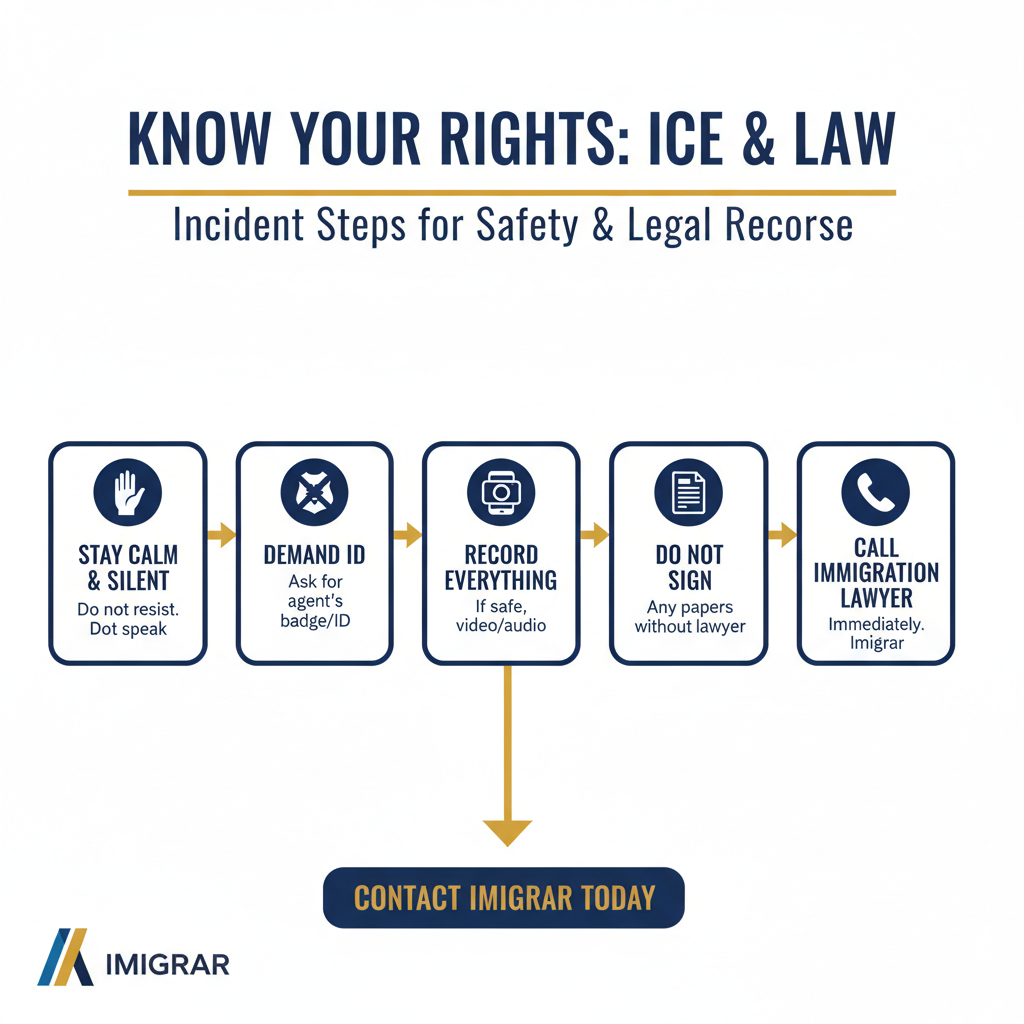
In light of concerns like a possible ICE cover-up in a Texas fatal shooting, knowing how to protect your rights during interactions with law enforcement, especially federal immigration agents, is paramount. This guide provides actionable steps for immigrants in Orlando, Florida, and nationwide.1) Know Your Rights (Constitutional and Statutory)
Understanding your basic constitutional rights is the first and most critical step. Everyone in the U.S., regardless of immigration status, has certain rights under the U.S. Constitution. These include the right to remain silent, the right to an attorney, and protection against unreasonable searches and seizures. These rights apply during encounters with federal immigration agents. * **Required Documents:** You don't need documents to assert these rights, but carrying an "Immigrant's Rights" card (available from many advocacy groups) with basic information in English and Spanish can be helpful. Keep it in a visible place.2) Remain Silent and Do Not Sign Anything
If approached by ICE or any law enforcement, you have the right to remain silent. You are not required to answer questions about your immigration status, nationality, or how you entered the country. Simply state, "I choose to remain silent." Do not sign any documents without speaking to an attorney. Signing documents you do not understand can have serious consequences for your immigration status. * **Required Documents:** No specific documents are needed. Your verbal assertion of rights is sufficient. Keep any personal identification (e.g., driver's license, passport) separate from any immigration documents unless specifically requested by an officer with a valid warrant.3) Ask for a Warrant
If an ICE agent comes to your home, do not open the door unless they present a warrant signed by a judge. A warrant for arrest (Form I-200, Warrant for Arrest of Alien) or a warrant for search (Form I-205, Warrant of Removal/Deportation) should specify your name and address. Ask them to slide the warrant under the door or hold it up to a window. If they don't have a judicial warrant, you can refuse entry. An administrative warrant (issued by ICE itself) does not grant them permission to enter your home without your consent. * **Required Documents:** No documents are needed from you. The officer must present a valid judicial warrant. It's helpful to have a way to record the interaction (audio or video) if possible and safe to do so.4) Do Not Resist, but Do Not Consent
While you have the right to refuse searches and remain silent, you should never physically resist an officer. If an officer insists on searching you or your property without a warrant or probable cause, state clearly, "I do not consent to this search." If they proceed, do not physically intervene, but make it clear you are not consenting. Your non-consent can be important evidence later if the search is challenged in court. * **Required Documents:** No documents. Just your clear verbal statement of non-consent.5) Document the Encounter
If it is safe to do so, try to document the interaction. This could involve writing down details immediately afterward, noting the time, date, location, agency involved, badge numbers, vehicle descriptions, and what was said or done. If others are present, ask them to be witnesses. If you are detained, remember everything you can. * **Required Documents:** A pen and paper, or a smartphone to record notes. If recording audio or video, be aware of local laws regarding consent for recording.6) Contact an Immigration Attorney Immediately
If you or a loved one are detained or have an encounter with ICE that raises concerns, contact an experienced immigration attorney immediately. An attorney can advise you on your rights, review your case, and represent you in immigration proceedings. This is especially crucial in situations involving serious allegations like a possible ICE cover-up in a Texas fatal shooting, where legal expertise is vital. * **Required Documents:** Have the phone number for Imigrar (+1 786-791-3106) readily available. If detained, provide this number to the authorities so your attorney can be contacted.Don't navigate immigration alone. The complexities of immigration law, especially in light of concerning reports, require expert guidance. Our team at Imigrar in Orlando, Florida, is here to provide the support you need. Call us at +1 786-791-3106 for a free consultation. Se Habla Español.
Practical Steps You Can Take Today
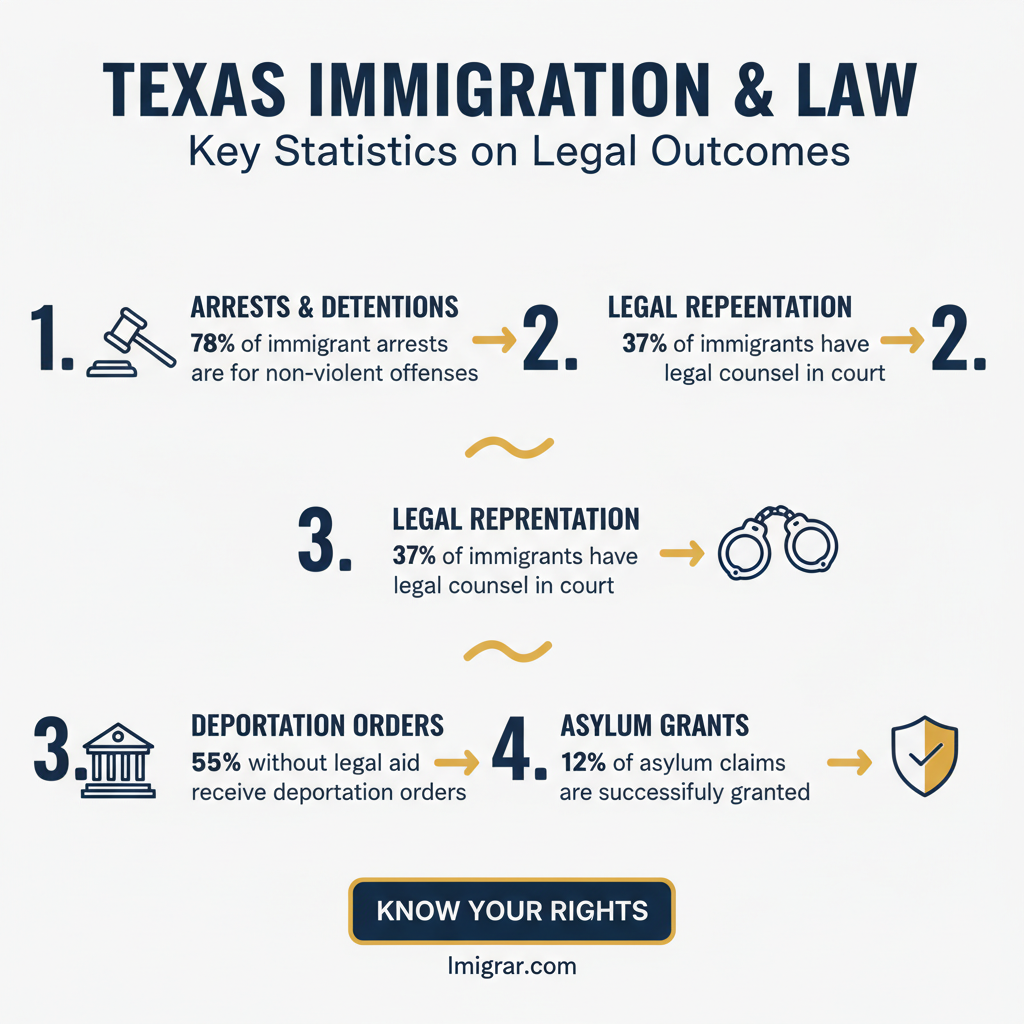
In light of ongoing immigration enforcement activities and serious allegations like a possible ICE cover-up in a Texas fatal shooting, proactive steps are essential for immigrants and their families. Taking action now can help protect your rights and ensure you are prepared for potential interactions with immigration authorities. * **Know Your Rights Card:** Print or obtain an "Immigrant's Rights" card. Keep it with you and make sure family members have one. This card typically includes a statement asserting your right to remain silent and to speak with an attorney. * **Emergency Plan:** Develop a family emergency plan. Discuss what each family member should do if a parent or guardian is detained. Designate a trusted adult who can care for minor children and access important documents. This plan should include contact information for an immigration attorney. * **Legal Consultation:** Schedule a consultation with an experienced immigration attorney, like those at Imigrar in Orlando, Florida. Discuss your immigration status, potential risks, and options. An attorney can help you understand your specific situation and provide personalized advice. * **Document Preparation:** Gather and organize all important immigration documents, birth certificates, marriage certificates, and passports. Keep originals in a safe, accessible location and have copies stored separately (e.g., with a trusted family member or attorney). This is crucial for any immigration process, including responding to enforcement actions. * **Community Resources:** Connect with local immigrant advocacy organizations and community groups in Orlando and Central Florida. These organizations often provide workshops on immigrant rights, legal aid clinics, and support networks. * **Stay Informed:** Keep abreast of changes in immigration law and policy. Reputable legal news sources and government websites, such as the USCIS official website, are good places to start. Understanding current events, including any developments regarding a possible ICE cover-up in a Texas fatal shooting, can help you make informed decisions. **Important:** Do not carry original immigration documents with you daily, unless specifically required for an appointment. Keep copies, and store originals safely. If you are a lawful permanent resident, you are required to carry your Green Card (Form I-551) at all times. **Timeline Expectations:** While there isn't a timeline for a possible ICE cover-up in a Texas fatal shooting, immigration legal processes have their own timelines. For example, USCIS processing times for various forms can be found on the USCIS Processing Times page. Legal challenges to enforcement actions can be lengthy, often involving multiple court appearances and appeals.How Imigrar Helps Immigrants in Orlando
At Imigrar, we understand the anxieties and challenges immigrants face, especially in light of disturbing news like a possible ICE cover-up in a Texas fatal shooting. Our mission, "Keep Families Together," drives everything we do. We are dedicated to providing compassionate, knowledgeable, and effective legal representation to immigrants in Orlando, across Florida, and nationwide. Our experienced legal team specializes exclusively in immigration law. We offer a wide range of services, from family-based petitions and Adjustment of Status to defense against deportation and assistance with complex immigration cases. We guide our clients through every step of the immigration process, ensuring they understand their rights and options. Our attorneys stay current on all immigration laws and policies, providing up-to-date advice and strong advocacy. We know that navigating the immigration system can be overwhelming, particularly when concerns about enforcement practices are high. That's why we offer a free consultation to discuss your specific situation, answer your questions, and explain how we can help. Our team is fluent in both English and Spanish (Se Habla Español), ensuring clear and effective communication with our diverse clientele. We are here to be your trusted advisors and advocates, helping you achieve your immigration goals and protect your family's future.Frequently Asked Questions
Q: What should I do if ICE agents come to my home?
A: Do not open your door unless agents present a warrant signed by a judge. Ask them to slide it under the door or hold it up to a window. If they do not have a judicial warrant, you can refuse entry. Assert your right to remain silent and to speak with an attorney immediately. Do not consent to any searches.
Q: Does my immigration status affect my rights during an encounter with ICE?
A: While your immigration status determines your eligibility for certain immigration benefits, many constitutional rights apply to everyone in the U.S., regardless of status. These include the right to remain silent, the right to an attorney, and protection against unreasonable searches. However, non-citizens can face immigration consequences that citizens do not.
Q: How can I find out if a relative has been detained by ICE?
A: You can use the Online Detainee Locator System (ODLS) on the ICE website to search for individuals in ICE custody. You will need the individual's A-Number (Alien Registration Number) or their name, date of birth, and country of birth. If you have trouble, an immigration attorney can assist you in locating a detained loved one.
Q: What is the average timeline for an immigration case involving enforcement?
A: The timeline for immigration cases, especially those involving enforcement or deportation defense, varies significantly. Factors include the complexity of the case, the specific court or agency involved, and current backlogs. Some cases can take months, while others may extend for several years. Consult with an attorney for a more personalized estimate.
Q: What documents should I always have accessible for my immigration case?
A: It is crucial to have copies of your passport, birth certificate, marriage certificate (if applicable), any immigration forms you've filed (e.g., Form I-130, Form I-485), and your Green Card (Form I-551) if you are a lawful permanent resident. Keep originals in a secure location and have copies available for your attorney or in an emergency plan.
Q: What are the potential costs associated with challenging an immigration enforcement action?
A: Costs can include attorney fees, court filing fees, and fees for obtaining necessary documents or expert testimony. These costs vary widely based on the complexity of the case and the legal services required. Many firms, including Imigrar, offer free initial consultations to discuss fees and payment options. It's an investment in protecting your future.
Common Mistakes (and How to Avoid Them)
Given the serious nature of immigration enforcement and allegations like a possible ICE cover-up in a Texas fatal shooting, avoiding common mistakes is vital. These errors can significantly jeopardize an immigrant's case and status.Mistake #1: Opening the Door to ICE Without a Judicial Warrant
Many individuals mistakenly open their doors to ICE agents who do not possess a warrant signed by a judge. This grants agents consent to enter your home, which they otherwise would not have with an administrative warrant. An administrative warrant (Form I-200, Warrant for Arrest of Alien, or Form I-205, Warrant of Removal/Deportation) is issued by ICE itself and does not authorize entry into a home without consent or other exigent circumstances. Always ask to see a judicial warrant before opening your door.Mistake #2: Answering Questions About Immigration Status or Nationality
It is a common mistake to feel compelled to answer questions from law enforcement about your place of birth, how you entered the U.S., or your immigration status. You have the right to remain silent. Any information you provide can potentially be used against you in immigration proceedings. Politely state that you choose to remain silent and wish to speak with an attorney. This right is fundamental, especially when facing federal immigration agents.Mistake #3: Not Having an Emergency Plan or Legal Representation
Waiting until an enforcement action occurs to seek legal help or create an emergency plan is a critical mistake. Without a plan, families can be left scrambling, and individuals may make decisions under pressure that are detrimental to their case. Having contact information for an immigration attorney, like Imigrar in Orlando, Florida, and a clear family emergency plan in place, can make a significant difference. Proactive planning helps you navigate these challenging situations with greater confidence and protection.Protect your family's future. Allegations of an ICE cover-up in a Texas fatal shooting underscore the importance of expert legal advice. Imigrar is here to help keep families together. Contact our Orlando office at +1 786-791-3106 or reach out online for dedicated support. Se Habla Español.
Conclusion: Your Rights and Our Commitment
The revelations surrounding a possible ICE cover-up in a Texas fatal shooting serve as a stark reminder of the complexities and potential challenges within the immigration system. For immigrants and their families in Orlando, Florida, and across the nation, understanding your rights and having reliable legal support is more critical than ever. The involvement of federal immigration agents in such serious incidents highlights the need for vigilance and informed action. At Imigrar, our commitment is unwavering: to "Keep Families Together." We believe every individual deserves fair treatment and expert legal representation. Our dedicated team of immigration attorneys in Orlando is here to guide you through every step of your immigration journey, from navigating complex applications to defending your rights during enforcement actions. We provide clear, compassionate, and effective legal strategies, ensuring your voice is heard and your interests are protected. Don't face the immigration system alone. If you have questions about your rights, need assistance with an immigration case, or are concerned about how recent events might impact you, we are here to help. Contact Imigrar today for a free consultation. Our team is ready to listen, advise, and advocate for you. Se Habla Español.Take the first step. Secure your future and keep your family together. Call Imigrar at +1 786-791-3106 or visit our website at imigrar.com/contact to schedule your free consultation. We serve clients nationwide from our Orlando, Florida office. Se Habla Español.
![Federal Judge Orders Parole Restoration for CBP One Migrants [2026]](/_next/image?url=https%3A%2F%2Fgbuudiafismgbqpzulue.supabase.co%2Fstorage%2Fv1%2Fobject%2Fpublic%2Fblog-images%2Fimmigration-header-1774980085612.png&w=3840&q=75)
![ICE Agents Stationed Outside Marine Corps Graduation Events [2026]](/_next/image?url=https%3A%2F%2Fgbuudiafismgbqpzulue.supabase.co%2Fstorage%2Fv1%2Fobject%2Fpublic%2Fblog-images%2Fimmigration-header-1774967342581.png&w=3840&q=75)
