

![Federal Judge Orders Parole Restoration for CBP One Migrants [2026]](/_next/image?url=https%3A%2F%2Fgbuudiafismgbqpzulue.supabase.co%2Fstorage%2Fv1%2Fobject%2Fpublic%2Fblog-images%2Fimmigration-header-1774980085612.png&w=3840&q=75)
Federal Judge Allison D. Burroughs Orders Parole Restoration for CBP One Migrants
The reporting that sparked this guide: Think Immigration: Why Every Immigration Attorney Should Consider Habeas in 2026 - AILA (News Source)
Need Help? Our Orlando immigration team is ready to assist. Call +1 786-791-3106 for a free consultation, or message us online. Se Habla Español.
What This News Means for Immigrants in Orlando and Across Florida
Why this news is showing up now
In April 2025, the U.S. Department of Homeland Security (DHS) issued mass termination notices ending parole status for several migrants who entered under the CBP One program between 2023 and 2025. Recently, a federal judge in Massachusetts, Allison D. Burroughs, ruled that this termination was unlawful because DHS did not make the required prior determination that parole was no longer justified for humanitarian reasons or public benefit.
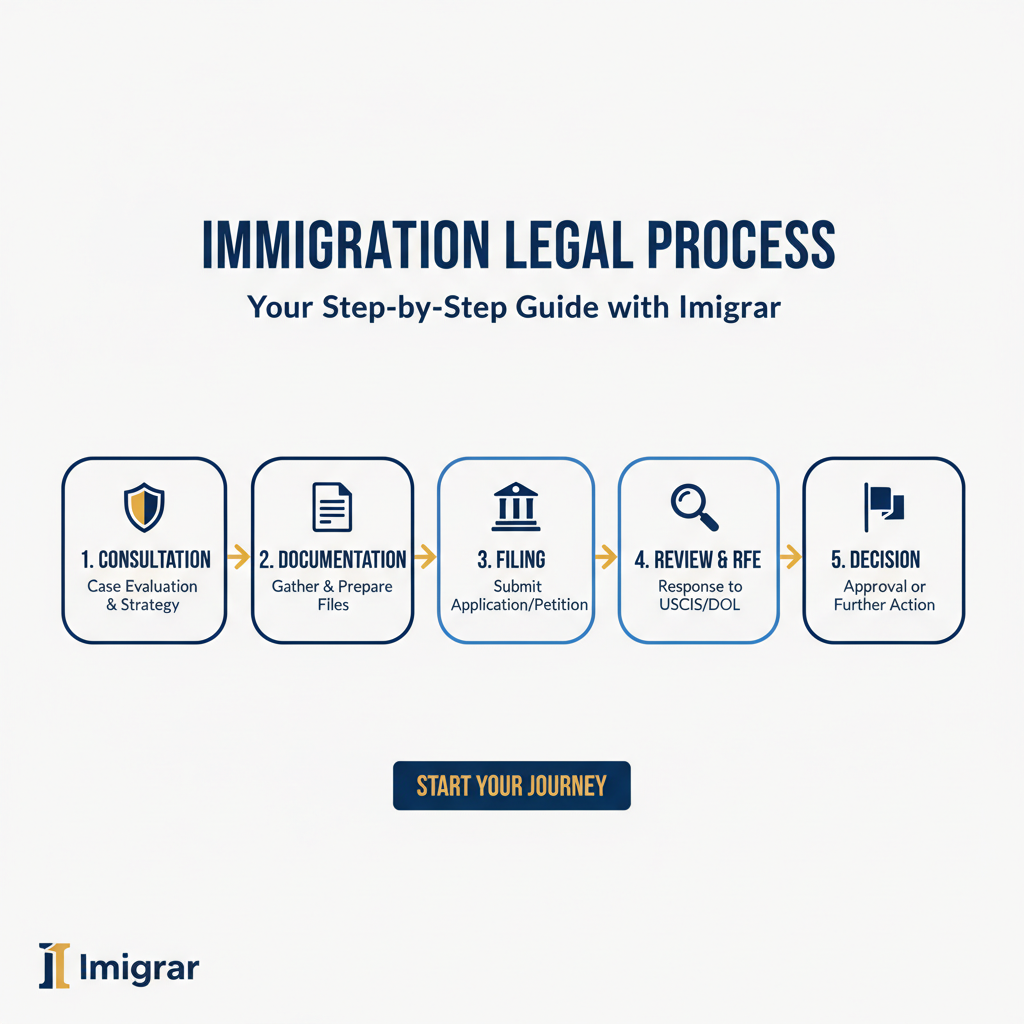
This court ruling vacates the termination notices and orders DHS to restore parole status for the affected migrants. This is a significant development that impacts many individuals from Venezuela, Cuba, Haiti, and Nicaragua who remain in the United States.
How it can affect Florida residents
Many migrants from the affected countries reside in Florida, including Orlando and Central Florida. This ruling means that those who received parole through CBP One and were notified of termination must maintain their parole status while DHS complies with the court order. For immigrants in Orlando, this decision provides relief from potential removal and gives time to seek legal advice and explore further immigration options.
Need Help? Our Orlando immigration team is ready to assist. Call +1 786-791-3106 for a free consultation, or message us online. Se Habla Español.
What Federal Judge Allison D. Burroughs’ Parole Restoration Order Is (and Why It Matters)
A plain-English definition
Parole in immigration law allows certain individuals to enter or stay in the U.S. temporarily for urgent humanitarian reasons or significant public benefit. It is not a green card or permanent status but provides legal permission to remain and avoid deportation while in the U.S.
The recent federal court ruling orders the restoration of this parole status to migrants who had it terminated without proper legal process. This means these individuals continue to have lawful presence and can avoid immediate removal.
Key terms you need to know
- CBP One: A U.S. Customs and Border Protection program that allows migrants to schedule processing appointments at border locations.
- Parole Termination: The ending of parole status, which can lead to loss of legal presence.
- Humanitarian Reasons: Grounds such as family unity or health emergencies that justify parole.
- Public Benefit: Situations where parole serves a community or governmental interest.
- Vacate: To cancel or annul a previous decision or order.
Current Immigration Law: The Foundation
The parole program is governed by laws including the Immigration and Nationality Act (INA), particularly 8 U.S.C. § 1182(d)(5)(A). This statute allows the Secretary of Homeland Security to parole individuals into the U.S. temporarily for urgent reasons.
Federal requirements
Before terminating parole, DHS must make a written determination that parole is no longer warranted due to changes in humanitarian need or public benefit. This decision must follow legal procedures and allow affected individuals to seek review.
Florida-specific considerations
In Florida, especially Orlando and the I-4 corridor, many migrants rely on parole to maintain lawful presence. The Orlando USCIS Field Office processes many immigration benefits and can provide local support for parole-related applications.
Relevant USCIS forms include Form I-131 for travel documents related to parole and Form I-485 for Adjustment of Status where eligible.
For more information, visit the USCIS official website.
How to Restore Parole Status: A Complete Step-by-Step Guide
1) Confirm Eligibility
Verify that you entered via CBP One, received parole between 2023 and 2025, and received the April 2025 termination email. You must also currently be in the U.S.
2) Gather Required Documents
- Copy of your CBP One approval letter or parole document
- April 2025 termination email or notice
- Copy of your passport and any U.S. immigration documents
- Proof of continuous presence in the U.S.
3) Contact an Immigration Attorney
Seek professional legal advice to understand how the court ruling applies to your case. An attorney can assist in communicating with DHS and filing any necessary motions or appeals.
4) File Appropriate Applications
If eligible, you may file Form I-131 if you need travel authorization or Form I-485 for Adjustment of Status if you qualify for permanent residency.
5) Monitor Your Case
Use USCIS Processing Times to check updates. Keep all correspondence and attend any required interviews.
6) Respond Promptly to Requests
If USCIS or DHS requests additional evidence or information, respond within the stated deadlines, usually 30 days.
7) Stay Informed About Court Developments
Changes in policy or further rulings could affect your parole status, so maintain contact with your attorney and trusted sources.
Practical Steps You Can Take Today
- Keep all notices and emails related to your parole status organized for easy access.
- Consult with an experienced immigration attorney in Orlando to evaluate your situation.
- Do not ignore any official government communications.
- Prepare copies of your identification and immigration paperwork.
- Be aware of deadlines to respond to USCIS or DHS requests.
- Stay updated on local immigration news affecting Central Florida.
Don't navigate immigration alone. Se Habla Español. Call +1 786-791-3106 or schedule a free consultation with Imigrar’s Orlando team today.
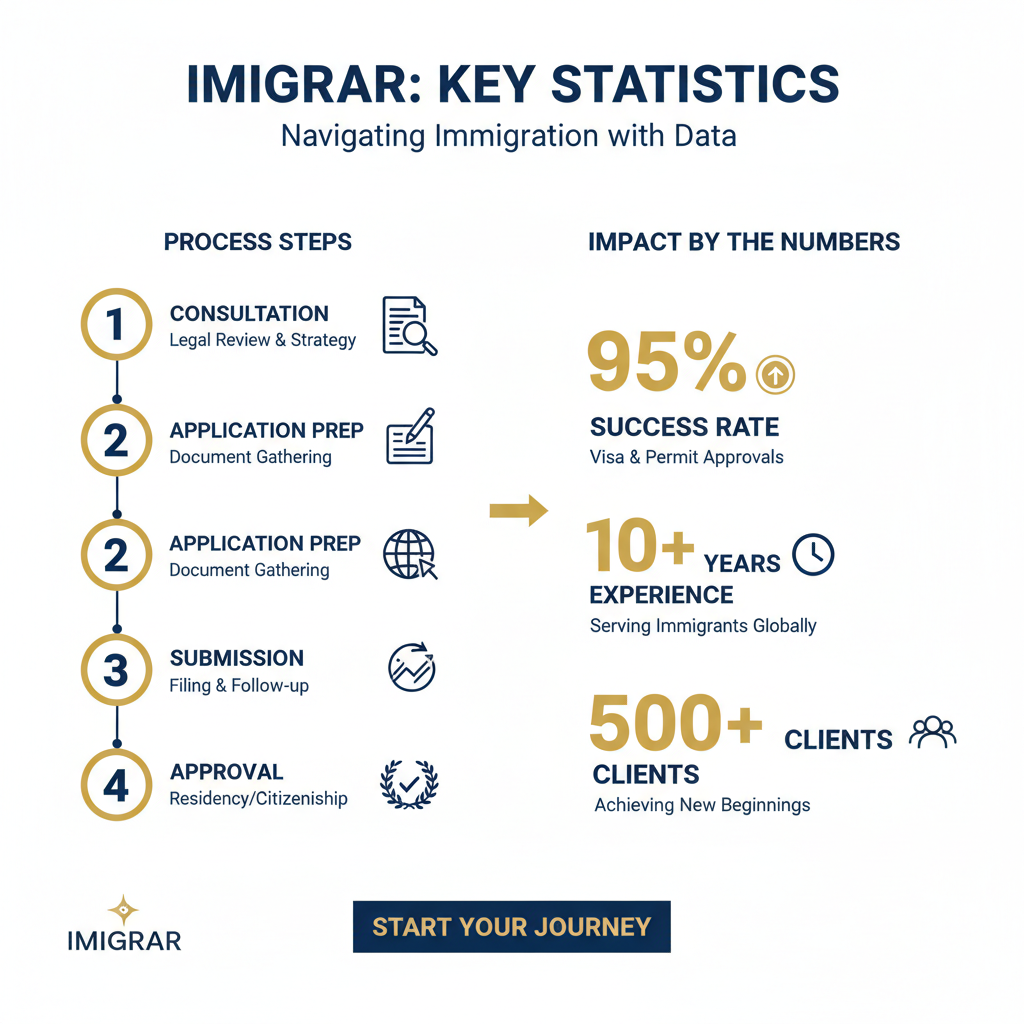
How Imigrar Helps Immigrants in Orlando
At Imigrar, we specialize in immigration law and have extensive experience helping migrants affected by parole terminations and other complex immigration issues. Our team understands the challenges faced by immigrants from Venezuela, Cuba, Haiti, and Nicaragua living in Florida.
We offer a free initial consultation to evaluate your case and guide you through the legal process. Our bilingual staff ensures that Se Habla Español clients receive clear, compassionate support.
Imigrar is dedicated to helping families keep their legal status and continue building their lives in Orlando and across the U.S.
Frequently Asked Questions
Q: Who is eligible for parole restoration under this ruling?
A: Individuals who entered the U.S. through CBP One, received parole between 2023 and 2025, were notified of parole termination in April 2025, and currently remain in the United States are eligible for parole restoration under the federal court ruling.
Q: Does restoring parole change my immigration status permanently?
A: No. Parole is a temporary authorization to stay in the U.S. It does not grant permanent residency or citizenship but allows lawful presence while exploring other immigration options.
Q: How long will it take for DHS to restore parole status?
A: The timeline depends on DHS compliance and case specifics. It may take weeks or months. Staying in contact with your attorney and monitoring case updates is important.
Q: What documents do I need to prove my parole status?
A: Keep copies of your CBP One approval, parole documents, any termination notices, identification, and proof of continuous presence in the U.S.
Q: Are there costs associated with restoring or maintaining parole?
A: There may be filing fees for applications such as Form I-131 or Form I-485. Legal consultation fees vary. Some services may offer fee waivers based on financial hardship.
Q: What happens if my parole restoration is denied?
A: You may have options to appeal or seek other forms of relief. Contact an immigration attorney promptly to explore alternatives and avoid removal.
Common Mistakes (and How to Avoid Them)
Mistake #1: Ignoring the termination notice
Many migrants overlook the importance of responding to parole termination notices. Warning: Ignoring official communications can lead to loss of legal status and removal proceedings.
Mistake #2: Failing to keep documentation organized
Not keeping copies of parole documents, emails, and identification makes it harder to prove eligibility and respond to DHS requests promptly.
Mistake #3: Attempting to self-advocate without legal guidance
Immigration law is complex. Trying to handle parole restoration alone often results in missed deadlines or misunderstandings of court rulings.
Need Help? Our Orlando immigration team is ready to assist. Call +1 786-791-3106 for a free consultation, or message us online. Se Habla Español.
Location-Specific Information for Orlando and Central Florida
If your case is in Orlando or Central Florida, you have access to local resources such as the Orlando USCIS Field Office, which handles many immigration applications and interviews. Being close to an immigration law firm like Imigrar helps you get personalized assistance and timely updates.
The Orange County area, including the I-4 corridor, has a diverse immigrant community that benefits from legal support to navigate changes in parole and other immigration protections. Our team understands local challenges and works to Keep Families Together.

Take the First Step Today
Restoring your parole status after the April 2025 termination can be complex. Imigrar’s experienced immigration attorneys in Orlando are here to guide you every step of the way. Se Habla Español.
Call us at +1 786-791-3106 or contact us online for a free consultation. Let us help you Keep Families Together.
![ICE Agents Stationed Outside Marine Corps Graduation Events [2026]](/_next/image?url=https%3A%2F%2Fgbuudiafismgbqpzulue.supabase.co%2Fstorage%2Fv1%2Fobject%2Fpublic%2Fblog-images%2Fimmigration-header-1774967342581.png&w=3840&q=75)

![BIA Bond Decision Timeline Explained [2026] - What You Must Know](/_next/image?url=https%3A%2F%2Fgbuudiafismgbqpzulue.supabase.co%2Fstorage%2Fv1%2Fobject%2Fpublic%2Fblog-images%2Fimmigration-header-1773407899015.png&w=3840&q=75)