

![ICE Agents Stationed Outside Marine Corps Graduation Events [2026]](/_next/image?url=https%3A%2F%2Fgbuudiafismgbqpzulue.supabase.co%2Fstorage%2Fv1%2Fobject%2Fpublic%2Fblog-images%2Fimmigration-header-1774967342581.png&w=3840&q=75)
The reporting that sparked this guide
Recent news coverage has highlighted the presence of ICE agents at Marine Corps graduation events at Parris Island, South Carolina. According to reports, ICE agents will be stationed outside Marine Corps graduation ceremonies to conduct screening and immigration status inquiries at entry points. Attendees must present valid identification such as passports, birth certificates, or Real ID cards. The Department of Homeland Security has stated that no arrests are planned during these ceremonies. However, this has raised concerns among families with undocumented relatives who wish to attend these important events.
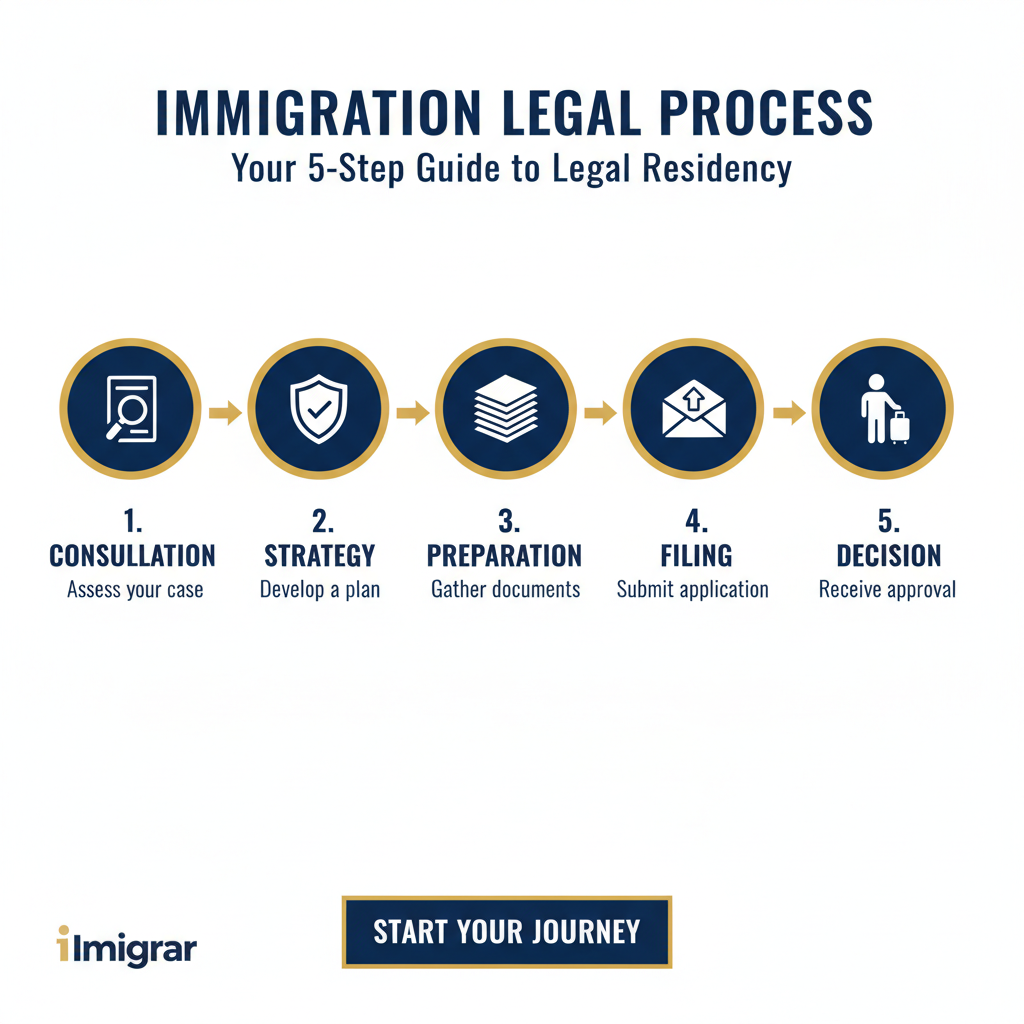
For more information, see the original reporting: Federal and state policies targeting immigrant children at school erode decades of progress in education access - Brookings (News Source)
The announcement of ICE presence at such significant military events is unprecedented for many families and has immediately sparked a wave of confusion and fear. While the Department of Homeland Security (DHS) has attempted to quell anxieties by stating that no arrests are planned during the ceremonies, the mere presence of immigration enforcement agents at an event celebrating a loved one's military achievement creates a chilling effect. This situation underscores a broader trend of increased immigration enforcement visibility in public spaces, impacting not only the undocumented community but also U.S. citizens and legal residents who may have undocumented family members.
It's crucial for families to understand that even without planned arrests, the screening process itself can be intimidating and may lead to further questions or referrals if an individual's immigration status is unclear or raises red flags. This is particularly relevant for mixed-status families, where some members are U.S. citizens or legal residents, while others may be undocumented. The emotional weight of potentially being separated from family or facing legal consequences during a joyous occasion can overshadow the celebration, highlighting the need for comprehensive preparation and legal guidance.
The reported policies also bring to the forefront the delicate balance between national security concerns and the fundamental right of families to support their loved ones. Marine Corps graduations are deeply personal and patriotic events, symbolizing sacrifice and dedication. The presence of ICE agents introduces an element of federal enforcement into what is traditionally a celebratory and unifying experience, prompting a reevaluation of how immigration enforcement intersects with public life and family gatherings.
What This News Means for Immigrants in Orlando and Across Florida
Why this news is showing up now
The presence of ICE agents at Marine Corps graduation ceremonies reflects heightened federal immigration enforcement efforts. These policies often coincide with national security priorities and immigration policy changes announced by the Department of Homeland Security (DHS). Families of Marines may face increased screening as part of efforts to verify attendee immigration status.
This increased visibility of ICE agents at public events is part of a broader shift in federal immigration strategy, which has seen enforcement expand beyond traditional border regions and into interior communities. Such deployments are often justified by authorities as necessary for maintaining national security and upholding immigration laws. However, for many immigrant communities, it signifies an expansion of surveillance and potential enforcement actions into spaces previously considered safe or neutral.
Furthermore, these operations may be linked to intelligence-gathering efforts or specific policy directives aimed at deterring unauthorized immigration or identifying individuals with outstanding immigration orders. The timing of such announcements often aligns with periods of intense political debate surrounding immigration, serving as a visible demonstration of enforcement capabilities. Understanding these underlying motivations can help contextualize why these measures are being implemented now and what future implications they might have for other public gatherings.
For example, this could be a pilot program for similar screenings at other large public events, such as sporting events or concerts, especially those held on federal property or with federal security involvement. The expansion of such protocols would significantly alter how individuals with various immigration statuses interact with public spaces and events across the country. It also sets a precedent for how federal agencies can leverage existing security frameworks to conduct immigration checks, blurring the lines between general security and targeted immigration enforcement.
How it can affect Florida residents
For families in Orlando and throughout Florida, this news may create anxiety about attending significant life events like Marine graduations. Undocumented relatives are especially concerned about the possibility of being questioned or detained. Understanding your rights, preparing proper identification, and seeking legal guidance can help families stay informed and protected.
Florida, with its diverse population and significant immigrant communities, is particularly sensitive to changes in federal immigration policy. Many families in the state are mixed-status, meaning some members are U.S. citizens or legal residents while others may be undocumented. News of ICE presence at a high-profile event like a Marine Corps graduation can ripple through these communities, causing widespread fear and prompting difficult decisions about whether to attend such events, even if they are deeply meaningful family milestones. The fear of potential separation or detention can outweigh the desire to celebrate a loved one's achievement.
Consider a scenario where a U.S. citizen Marine is graduating, and their undocumented mother, who has lived in Florida for decades, wishes to attend. Despite the DHS statement of "no planned arrests," the risk of being stopped, questioned, and potentially referred for further action is a significant deterrent. This situation forces families to weigh the emotional importance of the event against the very real legal risks, leading to stress, anxiety, and sometimes, the painful decision to forgo attendance. This is not just an abstract concern but a tangible impact on the lives of many Floridians, disrupting family unity and creating a climate of apprehension.
Moreover, the implications extend beyond just graduation ceremonies. This precedent could influence how other public or private institutions that host large gatherings on federal or federally-supported land approach security and identification checks. It could lead to increased scrutiny for anyone perceived as "foreign" or "immigrant," regardless of their actual legal status, fostering a climate of suspicion and potentially leading to racial profiling. Florida residents must therefore be vigilant, not only about events at Parris Island but also about how these policies might evolve and affect other aspects of their lives.
Need Help? Our Orlando immigration team is ready to assist. Call +1 786-791-3106 for a free consultation, or message us online. Se Habla Español.
What ICE Agents at Marine Corps Graduation Events Are (and Why It Matters)
A plain-English definition
ICE agents are officers from U.S. Immigration and Customs Enforcement, a federal agency responsible for enforcing immigration laws. Their role at Marine Corps graduations is to verify the immigration status of attendees by checking identification at event entry points. This is different from making arrests or detaining individuals on site, as DHS has stated no arrests are planned during these ceremonies.
While DHS has explicitly stated that arrests are not planned, it's crucial to understand the nuance. "No planned arrests" does not equate to "no arrests whatsoever." If an ICE agent, during the course of a screening, discovers an individual with an outstanding warrant for deportation, a prior removal order, or who is otherwise deemed a high-priority enforcement target, they would likely be within their authority to act. The distinction lies in whether the primary purpose of their presence is mass arrests versus status verification. However, for an individual facing potential immigration issues, any interaction with ICE carries inherent risks.
The "screening" process itself can range from a quick ID check to more in-depth questioning if discrepancies or concerns arise. For example, if an attendee presents an ID that appears fraudulent, or if their name matches a database entry for an individual with a deportation order, the interaction could escalate. This means attendees should not assume their interaction will be brief and without consequence, especially if their immigration status is anything other than straightforward U.S. citizenship or lawful permanent residency.
It matters because the presence of ICE agents transforms a celebratory public event into a potential enforcement zone. This can create a palpable sense of anxiety and deterrence for families, particularly those with mixed immigration statuses. The emotional toll on families, having to weigh the joy of their Marine's graduation against the fear of family separation, is immense. It also signals a broader trend of increased immigration enforcement in public spaces, affecting the sense of security and belonging for immigrant communities nationwide.
Key terms you need to know
- ICE agents: Officers enforcing immigration laws, including deportation and detention. These agents have broad authority under federal law to question individuals about their immigration status, make arrests, and initiate removal proceedings.
- Screening: The process of checking identification and verifying immigration status. This can involve cross-referencing names and identification numbers with various federal databases to ascertain an individual's legal standing in the U.S.
- Valid ID: Documents like passports, birth certificates, or Real ID cards required for entry. It's important that these documents are current, authentic, and clearly establish identity and, if applicable, legal status.
- Undocumented immigrant: A person residing in the U.S. without lawful immigration status. This includes individuals who may have overstayed a visa, entered without inspection, or have had a previous deportation order.
- Mixed-status family: A family unit where members have different immigration statuses, such as U.S. citizens, legal permanent residents, and undocumented individuals. These families are particularly vulnerable to the emotional and practical impacts of increased immigration enforcement.
- DHS (Department of Homeland Security): The federal department that oversees ICE, CBP (Customs and Border Protection), and USCIS (U.S. Citizenship and Immigration Services). DHS sets the overarching policies and guidelines for immigration enforcement and services.
Current Immigration Law: The Foundation
Federal immigration policy governs how agencies like ICE operate. Laws such as the Immigration and Nationality Act (INA) provide the framework for enforcement activities. Understanding these laws helps clarify what obligations and rights attendees have at events where ICE agents are present.
The Immigration and Nationality Act (INA) is a complex body of law that dictates who can enter the U.S., how they can obtain legal status, and how immigration laws are enforced. For instance, sections of the INA grant ICE agents the authority to question individuals about their immigration status in certain contexts and to arrest those found to be in violation of immigration laws. While the INA provides broad powers, there are also limitations and due process rights that individuals possess, even if they are undocumented. Knowing these rights, such as the right to remain silent and the right to an attorney, is paramount when interacting with any law enforcement agency, including ICE.
Furthermore, the legal landscape surrounding immigration is constantly evolving, with new executive orders, court rulings, and policy memos frequently altering enforcement priorities and procedures. This dynamic environment makes it challenging for individuals to stay fully informed without expert legal guidance. For example, certain administrations might prioritize the apprehension of individuals with criminal records, while others might broaden enforcement to include almost any undocumented individual. These shifts directly impact the risk level for undocumented individuals attending public events where ICE is present.
A practical scenario illustrating this would be an individual who has an old, minor misdemeanor conviction. Under some policies, this might not have been a high enforcement priority. However, under a different policy, even a minor conviction could elevate their risk level during an ICE screening. This highlights why understanding the current enforcement climate, in addition to the foundational laws, is critical for anyone with immigration concerns.
Federal requirements
Federal law requires attendees at public events to present valid identification during screening. The U.S. Citizenship and Immigration Services (USCIS official website) outlines forms like Form I-130 (Petition for Alien Relative) and Form I-485 (Application to Register Permanent Residence or Adjust Status) that immigrants may use to secure lawful status. ICE agents verify compliance with these and other immigration laws.
The requirement to present valid identification is not unique to immigration enforcement; it's a standard security protocol at many federal facilities and large public events. However, when ICE agents are involved, the purpose of this ID check extends beyond general security to include immigration status verification. For U.S. citizens and legal permanent residents, a valid driver's license (especially a Real ID-compliant one), a U.S. passport, or a green card typically suffices. For non-citizens, the identification must also adequately prove their lawful presence in the U.S., such as a valid visa with an I-94 arrival/departure record, an Employment Authorization Document (EAD), or other USCIS-issued documents.
Consider an international student on an F-1 visa. While their passport and visa are valid forms of identification, they should also carry their I-20 form (Certificate of Eligibility for Nonimmigrant Student Status) and their I-94 record to demonstrate their lawful presence and current student status. Without these additional documents, even a valid passport might lead to further questioning if an ICE agent cannot immediately verify their current immigration status. This emphasizes that "valid ID" for immigration purposes can be more extensive than for general security checks.
Furthermore, federal regulations dictate what constitutes acceptable proof of identity and immigration status. For instance, while a foreign passport might be valid for travel, if the individual has overstayed their visa, the passport alone will not demonstrate lawful presence. This is where documents like USCIS receipts for pending applications (e.g., I-485 for adjustment of status) become critical. These documents, while not granting permanent status, indicate that the individual is in a legal process towards regularization, which can be crucial during an encounter with ICE.
Florida-specific considerations
While Florida does not have state immigration enforcement laws as strict as some states, federal immigration policies apply statewide. The Orlando USCIS Field Office supports processing of immigration benefits for Central Florida residents. If your case is in Orlando, understanding how local immigration offices operate can be helpful.
Florida's approach to immigration enforcement at the state level is complex. While the state has passed legislation that impacts undocumented individuals, such as laws related to E-Verify or restrictions on certain types of identification, these generally operate separately from direct federal enforcement activities like those conducted by ICE at Parris Island. However, state policies can indirectly affect how individuals prepare for federal encounters. For example, if a state law makes it harder for undocumented individuals to obtain a driver's license, it means they might have fewer forms of official identification to present during a federal screening, potentially complicating their interaction with ICE.
A specific example in Florida is the state's stance on "sanctuary cities," where state legislation has aimed to prevent local governments from adopting policies that limit cooperation with federal immigration authorities. While not directly relevant to ICE operations at a federal military base, this legislative environment indicates a general trend of support for federal immigration enforcement within the state. This means that individuals in Florida should not expect state or local authorities to intervene or offer protection against federal immigration actions, reinforcing the need for personal preparedness and legal counsel.
Moreover, the presence of USCIS field offices in Florida, such as the one in Orlando, signifies that a significant number of residents are actively engaged in immigration processes. These individuals, even if they have pending applications for legal status, could still face scrutiny from ICE if their documents are not immediately clear or if there are any perceived discrepancies. This highlights the importance of having all USCIS documentation readily accessible, even for those who believe their status is secure due to ongoing applications.
How to Prepare for ICE Screening at Marine Corps Graduations: A Complete Step-by-Step Guide
1) Confirm the Event Details
Know the date and location of the Marine Corps graduation, usually at Parris Island. Verify with the Marine Corps about any special instructions related to immigration or security screenings. This includes checking official Marine Corps websites or contacting the base public affairs office directly. Confirming details ensures you are aware of any last-minute changes to entry requirements or security protocols, which could include updated guidance on identification or screening procedures. For example, sometimes base security might issue specific advisories for large events.
2) Gather Valid Identification Documents
- Passport (foreign or U.S.)
- Birth certificate
- Real ID or state-issued driver’s license
- Any immigration documents (e.g., Form I-94, green card, Employment Authorization Document, valid visa, asylum grant, TPS documentation)
It's advisable to carry multiple forms of identification if available. For individuals with pending immigration applications, bring copies of all USCIS receipts, approval notices, and any correspondence from immigration authorities. For example, if you have applied for adjustment of status (Form I-485), bring your receipt notice and any advance parole documents (Form I-512L) if you have traveled internationally. Ensure all documents are original or certified copies, if possible, and that they are not expired. Having a well-organized folder with all relevant documents can significantly streamline the screening process and reduce potential issues.
3) Understand Your Rights
Know that ICE agents are screening attendees but DHS states no arrests will be made during ceremonies. You have the right to remain silent and request legal counsel if questioned further. You are not required to answer questions about your immigration status or country of origin if you are not a U.S. citizen, unless you are at a port of entry or border. If an ICE agent asks to see your documents, you must present them if you are a foreign national. However, you can state, "I do not wish to answer any questions without my attorney present." Do not lie or present false documents. If you are detained, ask to speak to an attorney immediately and do not sign anything without legal advice. Remember, you have the right to record the interaction if it does not interfere with the officer's duties.
4) Prepare Supporting Immigration Documents
If you have pending immigration applications, carry copies of USCIS receipts or approval notices. This helps demonstrate lawful status or ongoing processes. For instance, if you have a pending asylum application (Form I-589), carry your receipt notice. If you are a recipient of Deferred Action for Childhood Arrivals (DACA), carry your valid Employment Authorization Document (EAD) and DACA approval notice. These documents provide crucial proof of your legal standing and can prevent unnecessary complications during screening. Organize these documents in a clear, accessible manner, perhaps in a separate folder labeled "Immigration Documents."
5) Plan for Transportation and Timing
Arrive early allowing time for security and immigration screenings. Consider travel logistics especially if accompanying family members who are undocumented. The screening process could be prolonged, and delays are possible. Arriving several hours before the scheduled start time is a prudent measure. Plan your route, parking, and how you will navigate the entry points. If you are traveling with family members who are undocumented, consider having a designated meeting point in case of separation, and ensure they also have access to legal contact information. Avoid any actions that could draw unnecessary attention, such as aggressive driving or engaging in disruptive behavior.
6) Seek Legal Advice if You Have Concerns
Contact an immigration attorney for personalized guidance. Legal support can help prepare you and your family for the screening process. An attorney can review your specific immigration situation, advise you on the best documents to carry, and explain your rights in detail. They can also help you create an emergency plan in case of detention, including providing a "know your rights" card and ensuring family members have their contact information. For example, if you have a complex immigration history, an attorney can help you anticipate potential questions and prepare appropriate responses, reducing the risk of miscommunication or unintended self-incrimination.
Need Help? Our Orlando immigration team is ready to assist. Call +1 786-791-3106 for a free consultation, or message us online. Se Habla Español.
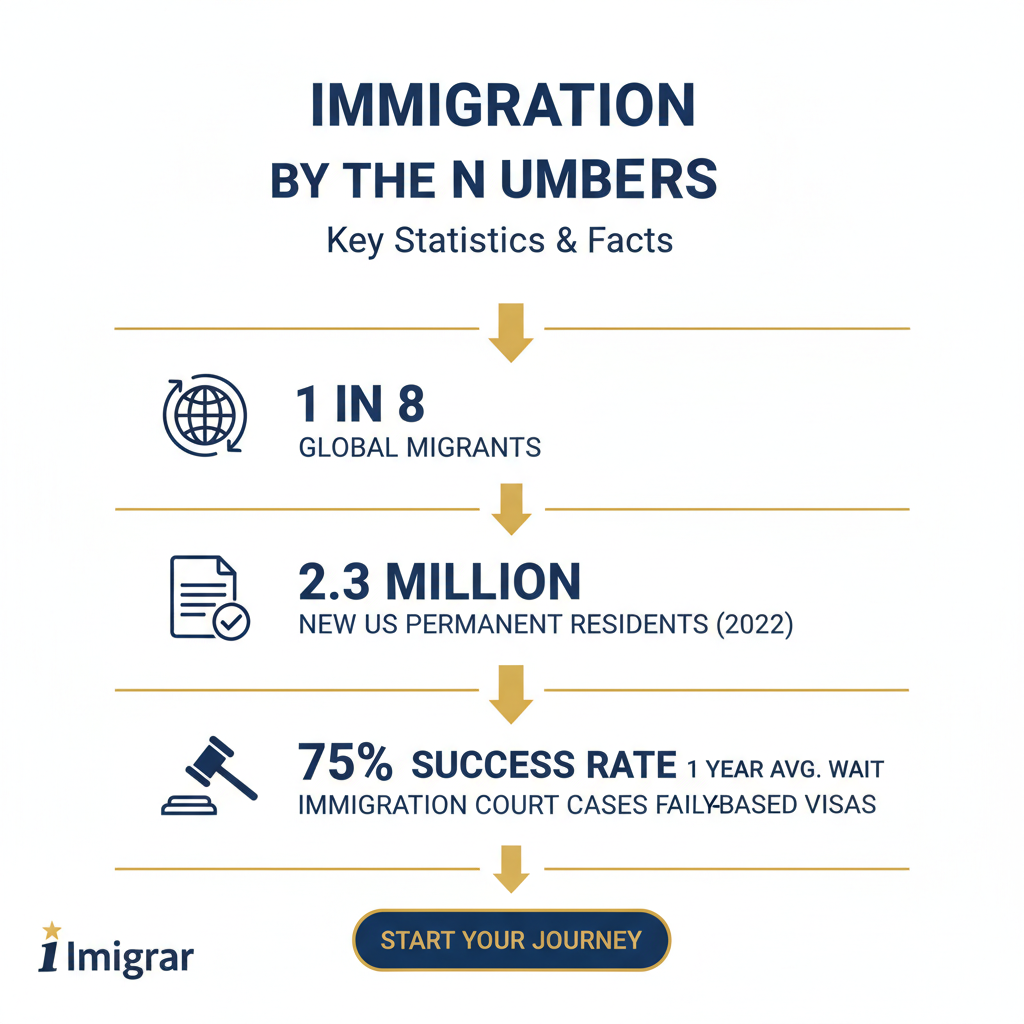
Practical Steps You Can Take Today
- Collect all valid identification and immigration documents for every attendee. This means going through everyone's wallets and personal files to ensure passports, birth certificates, green cards, and any other relevant immigration paperwork are current and easily accessible.
- Consult the USCIS Forms website to understand what paperwork you may need for immigration benefits. Even if you don't need to apply for a new benefit, familiarizing yourself with the forms can help you understand the types of information ICE agents might be looking for.
- Practice answering questions calmly and respectfully if approached by ICE agents. Role-playing scenarios can help reduce anxiety and ensure you know how to assert your rights politely without being confrontational.
- Discuss the event with undocumented family members to prepare them for possible encounters with ICE agents. This conversation should cover their rights, what documents to carry, and who to contact in an emergency.
- Allow extra time to arrive at the graduation and go through screening. Aim to arrive at least 3-4 hours before the ceremony begins to account for potential delays at entry points and security checks.
- Keep emergency contacts and immigration attorneys’ phone numbers handy. Write them down and save them in your phone, ensuring family members also have this critical information.
- Consider creating a "family emergency plan" that outlines steps to take if a family member is detained. This plan should include designated guardians for children, access to financial resources, and communication protocols.
- Avoid bringing items that could be perceived as suspicious or could lead to additional scrutiny, such as large bags or items that are prohibited on federal property.
How Imigrar Helps Immigrants in Orlando
At Imigrar, we specialize in immigration law and understand the challenges families face during events like Marine Corps graduations. Our experienced attorneys provide knowledgeable, compassionate legal assistance focused on helping you navigate immigration screenings and protect your family’s rights.
We offer free consultations and personalized support in both English and Spanish (Se Habla Español). Whether you need advice on documentation, eligibility, or legal representation, Imigrar is here to help.
Our team at Imigrar goes beyond just offering legal advice; we provide a comprehensive support system for families navigating complex immigration issues. We can assist in reviewing your existing immigration documents to ensure they are in order, helping you identify any potential gaps or issues that could arise during an ICE screening. For those with pending applications, we can help compile and organize the necessary evidence to demonstrate your lawful process.
Furthermore, we understand the emotional toll that uncertainty about immigration status can take on families. Our compassionate approach means we take the time to listen to your concerns, explain complex legal concepts in plain language, and empower you with the knowledge to protect your loved ones. We can also help develop a proactive "Know Your Rights" strategy, providing practical tips and resources for interacting with immigration officials in a way that safeguards your legal standing.
For example, if you have an undocumented family member planning to attend, we can walk them through potential scenarios, from a simple ID check to more in-depth questioning, explaining their rights to remain silent and to an attorney. We can also provide them with a card containing our contact information, which they can present if they are questioned by ICE. Our goal is to ensure that every family feels as prepared and protected as possible, allowing them to focus on celebrating their Marine's achievement with peace of mind.
Frequently Asked Questions
Q: Are the Marines working with ICE agents at graduation events?
A: The Marines coordinate with federal security agencies for event safety, but ICE agents operate independently to conduct immigration screenings. There is no indication of direct cooperation beyond standard security protocols. The military's primary focus remains on the safety and security of the base and personnel, while ICE's mandate is solely immigration enforcement.
Q: What day is graduation at Parris Island?
A: Graduation ceremonies at Parris Island occur regularly throughout the year, typically on Fridays, after 13 weeks of training. Specific dates vary by training cycle. Check the official Marine Corps Recruit Depot Parris Island website or contact the base for exact scheduling for your recruit's specific graduation. It's crucial to confirm the date well in advance to plan your travel and attendance.
Q: Does the Marines pay for family members to attend graduation?
A: The Marine Corps does not pay for travel or accommodation for family members attending graduation. Families are responsible for their own expenses, including flights, lodging, and transportation to and from Parris Island. Some local organizations or charities may offer support, but this is not standard military benefit.
Q: What types of ID do I need to present at the event?
A: You must present valid government-issued identification such as a U.S. passport, foreign passport with a valid visa and I-94, birth certificate (for U.S. citizens), or a Real ID-compliant state driver’s license. If you have any immigration documents (e.g., green card, Employment Authorization Document, asylum approval), carry those as well to prove lawful status.
Q: Will ICE agents make arrests during the graduation ceremonies?
A: According to the Department of Homeland Security (DHS), no arrests are planned during the ceremonies. ICE agents are primarily conducting status verification screenings at entry points. However, if an individual is found to have an outstanding warrant or a final order of removal, an arrest could still occur, despite the general policy.
Q: How can I protect undocumented family members attending the event?
A: Prepare by ensuring they carry any available identification and immigration documents, understand their rights (e.g., right to remain silent, right to an attorney), and consult an immigration lawyer for guidance on how to handle potential encounters with ICE. Have an emergency contact plan and legal representation readily available.
Don't navigate immigration alone. Se Habla Español. Call +1 786-791-3106 or schedule a free consultation with Imigrar today.
Common Mistakes (and How to Avoid Them)
Mistake #1: Arriving without proper identification
Without valid ID, attendees risk being denied entry or questioned more heavily, potentially leading to significant delays or even exclusion from the event. Always prepare and carry multiple forms of ID, ensuring they are current and match your identity. A common mistake is assuming a non-Real ID compliant driver's license will suffice for entry to a federal facility. Always double-check federal ID requirements for military bases.
Mistake #2: Not understanding your rights during screening
Many individuals do not know they can remain silent or request an attorney when questioned by ICE. This lack of knowledge can lead to accidental self-incrimination or providing information that complicates one's immigration case. Learn your rights thoroughly, practice asserting them politely, and carry a "Know Your Rights" card with legal contact information.
Mistake #3: Waiting until the last minute to seek legal advice
Early legal consultation can provide peace of mind and crucial preparation, especially for complex immigration situations. Contact Imigrar well before the event if you have concerns, allowing ample time for our attorneys to review your case, prepare necessary documents, and advise on a proactive strategy. Last-minute legal help is often reactive and less effective.
Mistake #4: Assuming "no planned arrests" means no risk
While DHS states no arrests are planned, this does not eliminate the possibility of an arrest if an ICE agent discovers an individual with an outstanding warrant or a final order of removal. It's a critical distinction. Families should understand that while mass arrests may not be the goal, individual enforcement actions are still possible if specific issues are identified during screening. Always prepare as if an encounter could lead to further action.
Mistake #5: Providing false information or documents
Presenting fraudulent identification or providing false information to federal agents can lead to severe legal consequences, including criminal charges, even for U.S. citizens. Always be truthful and present only authentic documents. If you are unsure how to answer a question, you have the right to remain silent and request an attorney, which is always preferable to lying or misrepresenting facts.

Take the First Step. Keep Families Together.
If you or your loved ones are attending Marine Corps graduation events and have questions about immigration screening, Imigrar is here for you. Our Orlando-based immigration attorneys offer trusted advice and compassionate support to families across Florida and nationwide.
Call us at +1 786-791-3106 or contact us online. Se Habla Español.
![Federal Judge Orders Parole Restoration for CBP One Migrants [2026]](/_next/image?url=https%3A%2F%2Fgbuudiafismgbqpzulue.supabase.co%2Fstorage%2Fv1%2Fobject%2Fpublic%2Fblog-images%2Fimmigration-header-1774980085612.png&w=3840&q=75)

![BIA Bond Decision Timeline Explained [2026] - What You Must Know](/_next/image?url=https%3A%2F%2Fgbuudiafismgbqpzulue.supabase.co%2Fstorage%2Fv1%2Fobject%2Fpublic%2Fblog-images%2Fimmigration-header-1773407899015.png&w=3840&q=75)