

The reporting that sparked this guide
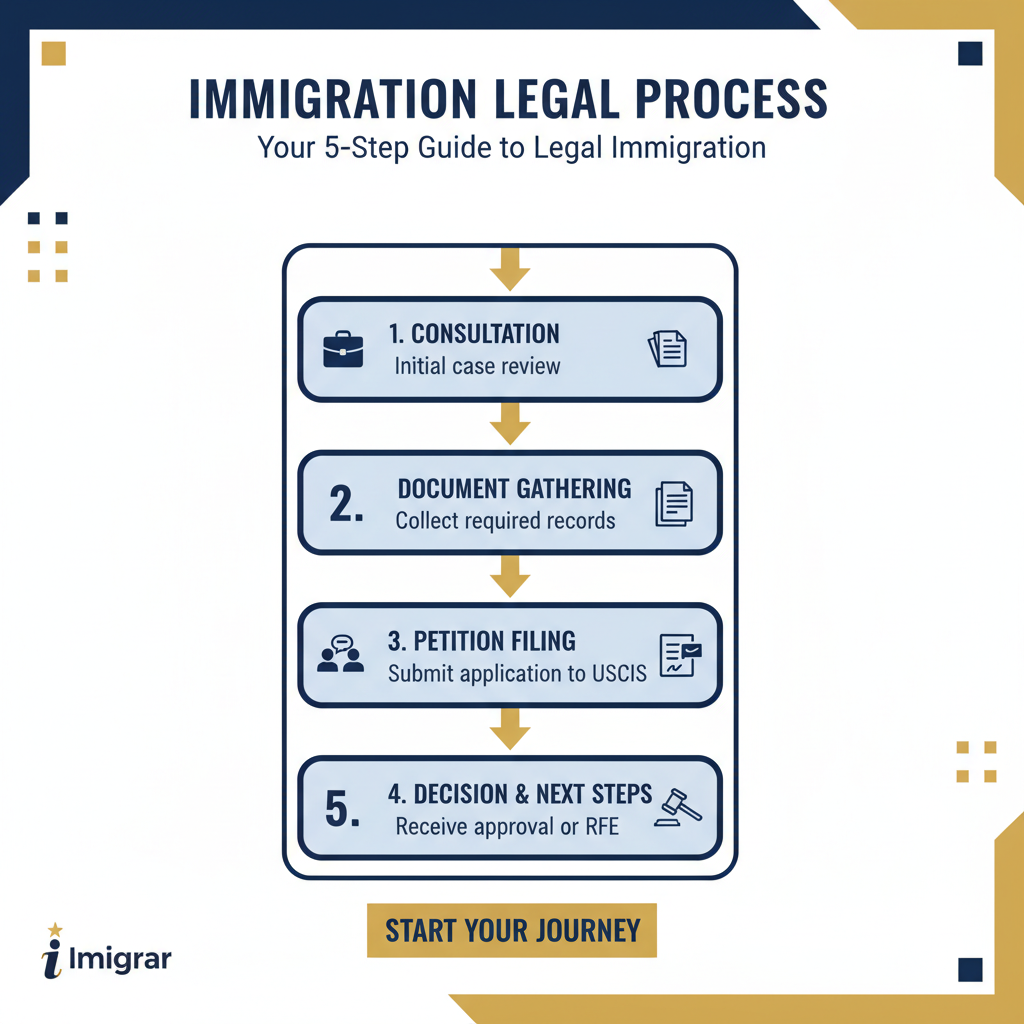
What This News Means for Immigrants in Orlando and Across Florida
Why this news is showing up now
Mableton mayor backs moratorium blocking new immigration detention centers through 2028. This post will: 1️⃣ Report that the Mableton City Council unanimously approved a moratorium on immigration detention centers. 2️⃣ Explain that Mayor Michael Owens supported the measure while the new city develops zoning and planning rules. 3️⃣ Note that the ordinance blocks permits, rezoning and construction requests tied to ICE detention facilities. 4️⃣ Highlight that the moratorium will remain in place until December 31, 2028, unless the council lifts it earlier. In 2026, the City Council of Mableton unanimously approved a moratorium that blocks new immigration detention centers. This move reflects growing local concerns about how detention facilities affect communities and families. Mayor Michael Owens supports this immediate temporary measure as the city works on new zoning and planning rules. This moratorium highlights an ongoing national conversation about immigration enforcement and community impact. The decision by Mableton sets a significant precedent for other municipalities considering similar immigration moratoriums, especially as cities balance federal enforcement with local community interests.
For example, community leaders have expressed that detention centers often lead to increased social tensions and can negatively impact local economies. The moratorium provides time for Mableton to evaluate the long-term effects of such facilities while giving space for public input and comprehensive planning.
Additionally, this moratorium could encourage neighboring cities and counties to consider their own policies related to immigration detention centers, fostering a broader regional dialogue about immigration enforcement and community well-being.
How it can affect Florida residents
Though Mableton is in Georgia, this decision resonates across Florida and especially here in Orlando. Local governments are increasingly examining how immigration detention centers fit within community planning. Florida immigrants and their families should stay informed since similar moratoria could be proposed nearby. Understanding these developments helps residents anticipate changes, protect their rights, and plan accordingly. For instance, Florida communities along the I-4 corridor have been actively discussing zoning regulations that could affect potential detention center developments, reflecting a growing trend of local involvement in immigration-related decisions.
Moreover, this moratorium underscores the importance of local advocacy and participation. Florida residents can learn from Mableton's approach to engage with city councils and planning commissions to influence local policies. Staying informed about zoning meetings and proposed ordinances will empower immigrants and allies to contribute meaningfully to the decision-making process.
Immigration detention center development is a complex issue involving federal, state, and local layers of authority. Florida residents should monitor not only city and county actions but also federal immigration enforcement policies, as the interaction between these levels will shape the future landscape of immigration detention in the state.
Need Help? Our Orlando immigration team is ready to assist. Call +1 786-791-3106 for a free consultation, or message us online. Se Habla Español.
What Moratorium on Immigration Detention Centers Is (and Why It Matters)
A plain-English definition
A moratorium on immigration detention centers is a temporary block or pause on the approval of new detention facilities where immigrants may be held by government agencies like ICE (Immigration and Customs Enforcement). This means no new detention centers can be built, expanded, or repurposed in the area while the moratorium is active.
This pause allows local governments to review current zoning laws and community impacts before permitting further development of such centers. It provides time for residents, advocacy groups, and officials to discuss concerns and potential alternatives.
For example, some cities have used moratoriums to explore community-based alternatives to detention or to increase oversight on existing immigration enforcement operations. These discussions often include addressing public safety, human rights, and economic concerns related to detention centers.
Key terms you need to know
- Moratorium: A temporary ban or suspension of an activity.
- Immigration detention centers: Facilities where individuals are held while their immigration status or removal proceedings are decided.
- ICE: U.S. Immigration and Customs Enforcement, the federal agency responsible for immigration enforcement.
- Ordinance: A law or regulation passed by a city or local government.
- Rezoning: Changing the designated use of land, often required before building new types of facilities.
Understanding these terms is crucial to grasp the implications of the moratorium and how it affects local development plans and immigration enforcement.
For further information on related legal terminology and local government procedures, you can explore our immigration services to see how we assist clients navigating these complex issues.
Current Immigration Law: The Foundation
Immigration detention and enforcement are governed mostly by federal law. Local governments can regulate land use and zoning but cannot override federal immigration policies. Understanding the interplay between federal and local rules is important.
Federal requirements
The Immigration and Nationality Act (INA) provides the main legal framework for immigration detention. ICE operates detention centers under federal authority. Forms like Form I-130 (Petition for Alien Relative) and Form I-485 (Application to Register Permanent Residence or Adjust Status) relate to immigration status but do not govern detention directly.
Federal laws such as 8 U.S.C. § 1226 authorize the detention of immigrants under certain circumstances. However, the federal government must comply with local zoning laws when constructing or expanding facilities, which is why moratoriums like Mableton's have legal significance.
It's important to note that while federal enforcement remains active, local moratoriums can impact the physical presence and expansion of detention centers, indirectly shaping enforcement logistics and community relations.
Florida-specific considerations
Florida residents are served by the Orlando USCIS Field Office, which processes many immigration applications. Local governments in Florida also have zoning laws affecting where detention centers could be located. While Mableton’s moratorium is specific to that city, similar measures may influence policies in Orange County and the I-4 corridor.
Important: For more information, visit the USCIS official website.
Florida's diverse immigrant population and political climate make it a focal point for immigration policy debates. Local moratoriums can empower communities to shape how immigration enforcement is implemented on the ground.
Residents should stay informed about local ordinances and federal immigration updates to understand how their rights and communities may be impacted.
How to Respond to Local Moratoriums on Immigration Detention Centers: A Complete Step-by-Step Guide
1) Stay informed about local government actions
Monitor city council meetings and announcements in your area to understand any moratoriums or zoning changes affecting immigration detention centers. Many municipalities publish meeting agendas and minutes online, which are valuable resources.
Joining local community groups or advocacy organizations can also provide timely updates and opportunities to participate in public discussions.
Regularly visiting official city or county websites and subscribing to newsletters will keep you aware of proposals or changes related to immigration detention center development.
2) Review your immigration status and documentation
- Current immigration documents (passports, visas)
- USCIS forms such as Form I-130, Form I-485
- Any notices from immigration authorities
Keeping your documents up-to-date and organized ensures you can respond quickly to any changes in your immigration situation that might arise due to local policy shifts.
Consulting with an immigration attorney to review your case can help identify any risks or opportunities that may be affected by local moratoriums or detention center developments.
3) Consult an experienced immigration attorney
Legal advice from a trusted immigration law firm like Imigrar can clarify how local moratoriums impact your case or community. Attorneys can explain the nuances of federal and local law interaction and assist with paperwork or appeals.
Imigrar offers personalized consultations that address your unique circumstances, including potential impacts of local immigration detention center policies.
Additionally, legal experts can advise on community advocacy strategies and help connect you with local resources.
4) Prepare for possible changes in detention policies
Understand that moratoriums can delay or prevent new facilities but do not stop federal immigration enforcement. Prepare for how these changes might affect detention practices, such as potential relocation of detainees or shifts in enforcement priorities.
Community members and families may want to develop plans for legal support and emergency contacts in case of immigration enforcement actions.
Staying proactive about policy changes will help you and your community adapt effectively.
5) Participate in community advocacy if desired
Engage with local groups or city council meetings to voice your views on immigration detention policies. Public participation can influence policymakers and bring attention to community concerns.
Advocacy can include writing letters, attending hearings, or collaborating with organizations focused on immigrant rights.
Such involvement strengthens democratic processes and helps ensure that immigration policies consider human and social impacts.
6) Keep track of deadlines and policy updates
Be aware of moratorium expiration dates, such as December 31, 2028 for Mableton, or any early lifting. Timely knowledge will help you plan and respond appropriately.
Utilize calendars, reminders, and legal counsel to stay on top of important dates related to your immigration status or local policy changes.
Continuous monitoring of both local government websites and federal agencies like USCIS is recommended.
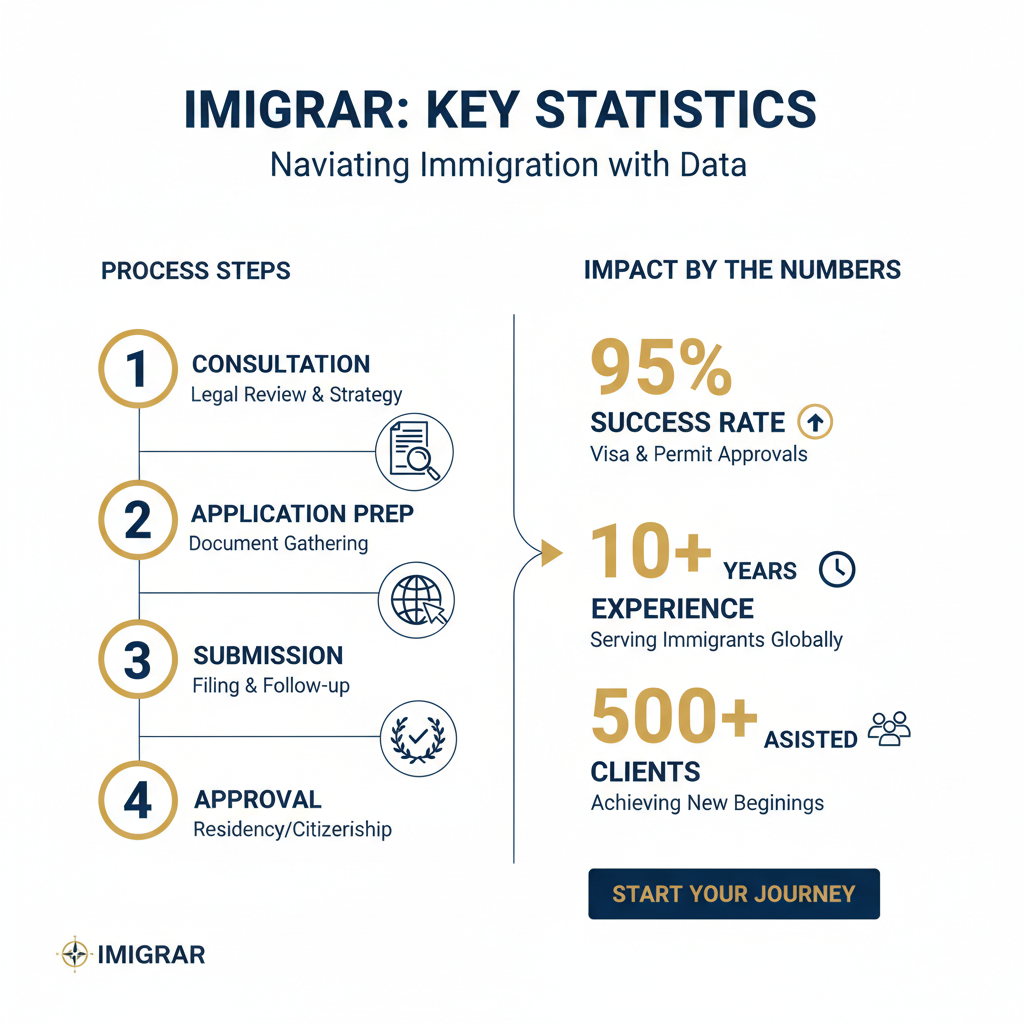
Practical Steps You Can Take Today
- Sign up for local government newsletters to get updates on zoning and moratorium developments.
- Gather and organize your immigration paperwork in one accessible place.
- Know your rights if contacted by immigration enforcement.
- Attend community meetings or forums on immigration issues.
- Consult with an immigration attorney early to discuss your situation.
- Prepare a timeline of your immigration case milestones and upcoming deadlines.
Additionally, consider connecting with local immigrant advocacy organizations to build support and stay informed on community initiatives related to immigration detention centers.
Familiarize yourself with resources available through government and nonprofit channels to access legal aid, social services, and emergency assistance if needed.
Taking these proactive steps equips you to better navigate the complexities of immigration policy and community responses.
Need Help? Our Orlando immigration team is ready to assist. Call +1 786-791-3106 for a free consultation, or message us online. Se Habla Español.
How Imigrar Helps Immigrants in Orlando
At Imigrar, we are committed to supporting immigrants across Florida and nationwide. Our experienced immigration attorneys understand how local policies like moratoriums may affect your rights and status. We offer free consultations to discuss your case and provide clear guidance. Se Habla Español to serve all members of our community. We believe in the mission to Keep Families Together and help you navigate complex immigration laws with care and trust.
Our team assists with a variety of immigration-related issues, including visa applications, adjustment of status, deportation defense, and community advocacy related to immigration detention center policies.
Explore our immigration services to learn more about how we can support you during changing immigration landscapes such as the Mableton moratorium.
Frequently Asked Questions
Q: What does the moratorium on immigration detention centers mean for existing facilities?
A: The moratorium blocks new permits and construction but does not close existing detention centers. Operations at current facilities continue under federal law.
Q: Can local moratoriums affect my immigration case processing times?
A: Moratoriums typically affect land use, not federal immigration benefits processing, which follows USCIS timelines. Check USCIS Processing Times for updates.
Q: How long will the Mableton moratorium last?
A: The moratorium is set to last until December 31, 2028, unless the City Council lifts it earlier.
Q: What documents do I need to prepare if I am affected by local detention policies?
A: Keep immigration documents such as visas, work permits, Form I-130, and Form I-485 applications current and organized.
Q: Are there costs associated with fighting a moratorium or detention center permit?
A: Legal challenges can involve fees, but community groups or legal aid organizations may provide support. Consult an attorney for options.
Q: What happens if my request for immigration relief is denied?
A: You may have options to appeal or file motions to reopen your case with the Executive Office for Immigration Review. Legal advice is essential.
Common Mistakes (and How to Avoid Them)
Mistake #1: Ignoring local government meetings and updates
Many immigrants miss critical changes by not staying informed about local actions like moratoriums. Subscribe to city newsletters and participate when possible.
Mistake #2: Confusing federal immigration law with local zoning laws
Remember that local moratoriums do not change federal immigration enforcement or application procedures.
Mistake #3: Missing deadlines for immigration documents or appeals
Keep track of all deadlines and consult an attorney to avoid losing opportunities for relief.
Don't navigate immigration alone. Se Habla Español. Call +1 786-791-3106 or contact us online today.
Location-Specific Content
If your immigration case is based in Orlando or anywhere in Central Florida, it is important to follow local developments closely. The Orlando USCIS Field Office serves thousands of immigrants in the region, processing key forms like Form I-130 and Form I-485. Local policies such as moratoriums in nearby states may signal possible future actions here along the I-4 corridor and in Orange County.
Engaging with local community organizations and staying current on local government decisions can help Orlando-area residents anticipate and respond to changes in immigration detention center policies.
Our law firm is dedicated to providing support tailored to the unique needs of immigrants in this region, especially as local policies evolve.
Take Action Today with Imigrar
Understanding moratoriums on immigration detention centers helps you stay prepared and protect your rights. If you have questions or need immigration assistance in Orlando or anywhere in Florida, contact Imigrar. Call us now at +1 786-791-3106 for a free consultation or reach out online. Se Habla Español. Let us help you Keep Families Together.
Mableton mayor backs moratorium blocking new immigration detention centers through 2028. This post will: 1️⃣ Report that the Mableton City Council unanimously approved a moratorium on immigration detention centers. 2️⃣ Explain that Mayor Michael Owens supported the measure while the new city develops zoning and planning rules. 3️⃣ Note that the ordinance blocks permits, rezoning and construction requests tied to ICE detention facilities. 4️⃣ Highlight that the moratorium will remain in place until December 31, 2028, unless the council lifts it earlier. Contact Imigrar today for expert assistance navigating these important legal developments.
![Federal Judge Orders Parole Restoration for CBP One Migrants [2026]](/_next/image?url=https%3A%2F%2Fgbuudiafismgbqpzulue.supabase.co%2Fstorage%2Fv1%2Fobject%2Fpublic%2Fblog-images%2Fimmigration-header-1774980085612.png&w=3840&q=75)
![ICE Agents Stationed Outside Marine Corps Graduation Events [2026]](/_next/image?url=https%3A%2F%2Fgbuudiafismgbqpzulue.supabase.co%2Fstorage%2Fv1%2Fobject%2Fpublic%2Fblog-images%2Fimmigration-header-1774967342581.png&w=3840&q=75)
![BIA Bond Decision Timeline Explained [2026] - What You Must Know](/_next/image?url=https%3A%2F%2Fgbuudiafismgbqpzulue.supabase.co%2Fstorage%2Fv1%2Fobject%2Fpublic%2Fblog-images%2Fimmigration-header-1773407899015.png&w=3840&q=75)