


State Immigration Law Changes in 2026: Your Complete Guide to New Protections
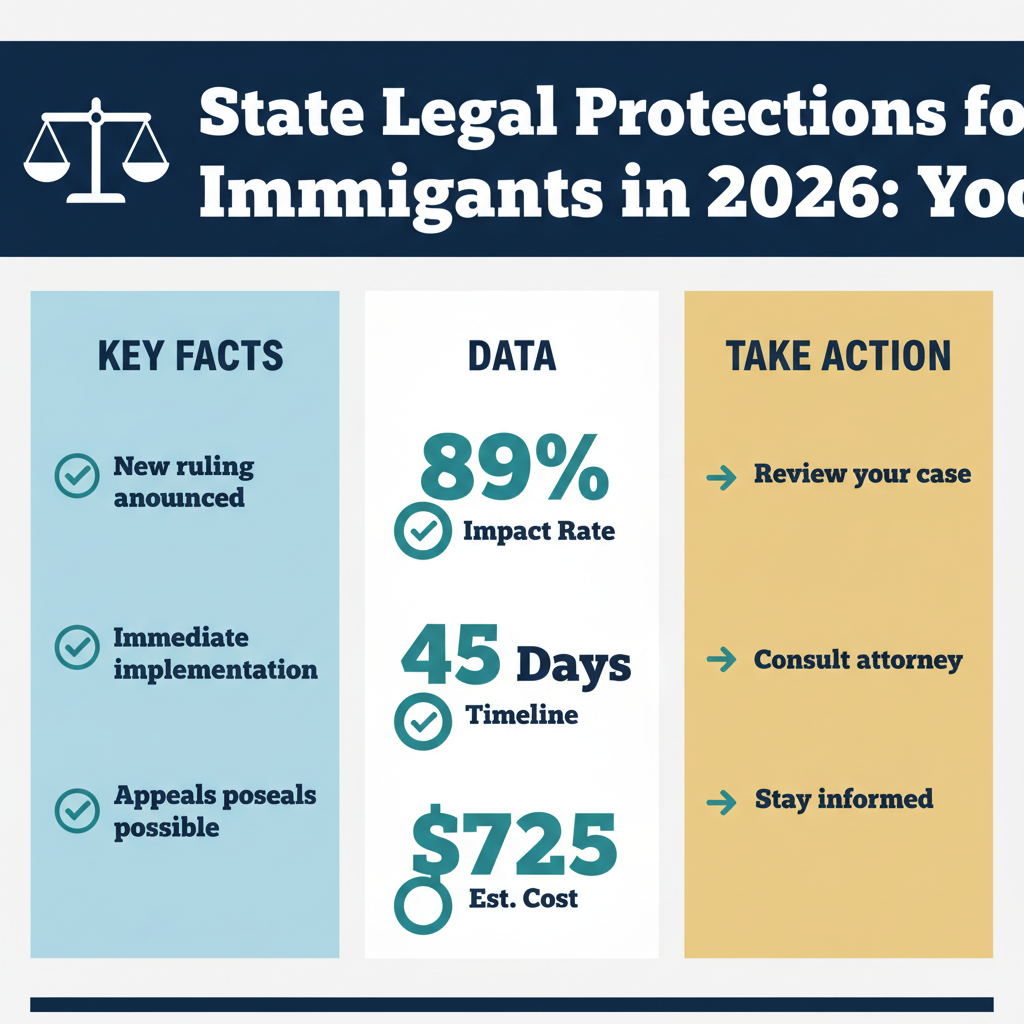
As we enter 2026, states across the nation are implementing significant new immigration laws designed to protect vulnerable populations and expand access to legal resources. Whether you're an immigrant family navigating the system or a young person seeking stability, understanding these new state-level protections is essential for safeguarding your rights and accessing critical services.
Unlike federal immigration policy, which often becomes restrictive, many states are taking proactive steps to support immigrant communities. This comprehensive guide breaks down the most important state law changes taking effect in 2026 and provides actionable steps you can take to protect yourself and your family.
California's Groundbreaking Legal Protections for Immigrant Youth
California has emerged as a leader in immigrant protection, enacting two critical laws that take effect in 2026. These laws represent a fundamental shift in how states can support vulnerable immigrant populations through the legal system.
AB 1261: Free Legal Representation for Unaccompanied Immigrant Youth
One of the most significant protections is Assembly Bill 1261, which requires California to provide free legal counsel to unaccompanied undocumented minors in federal and related state immigration proceedings.[5] This law is transformative because immigration cases are extraordinarily complex, and young people without representation face overwhelming odds in court.
What this means for you: If you are an unaccompanied immigrant youth under 18, California will connect you with qualified legal services at no cost. The state contracts with nonprofit legal organizations and public defender offices to provide this representation.[5]
How to access this protection:
- Contact your local county public defender's office or search for accredited nonprofit immigration legal service providers in your area
- Inform school administrators, social workers, or child protective services representatives that you need immigration legal representation
- Ask for a referral to organizations specifically serving unaccompanied minors
- Do not sign any documents or speak to immigration officials without legal counsel present
SB 281: Mandatory Immigration Advisements Before Guilty Pleas
Another critical protection is Senate Bill 281, which requires California courts to provide a verbatim immigration advisement before any defendant can enter a plea of guilty or no contest.[5] This law protects immigrants from inadvertently triggering deportation through criminal convictions.
Why this matters: Many immigrants don't realize that pleading guilty to even minor crimes can result in deportation. This law ensures you understand the immigration consequences before making this life-altering decision.
What you need to know:
- Before pleading guilty or no contest in California, the court must inform you in writing that conviction may result in deportation, loss of immigration benefits, or inability to return to the U.S.[5]
- You have the right to consult with an immigration attorney before making your plea decision
- If you're facing criminal charges, prioritize consulting an immigration attorney alongside your criminal defense attorney
- Never assume a "minor" charge won't affect your immigration status
Employment Protections: The End of "Stay-or-Pay" Contracts
States are increasingly protecting immigrant workers from exploitative employment practices. California and Ohio have both enacted laws restricting employers from requiring workers to repay immigration-related expenses.
California's Ban on Immigration Cost Reimbursement (Effective January 1, 2026)
California's new law prohibits employers from requiring employees to repay any costs paid by the employer for immigration or visa expenses, among other fees.[8] This protects workers from being trapped in jobs through debt.
What this protects:
- Visa sponsorship costs
- Green card application fees
- Labor certification expenses
- Immigration attorney fees paid by your employer
- Travel costs related to visa processing
If your employer is violating this law:
- Document all agreements requiring repayment in writing (emails, contracts, handwritten notes)
- Report violations to California's Department of Industrial Relations
- Contact a workers' rights organization or employment attorney for guidance
- Know that retaliation for reporting violations is illegal
Ohio's Pending Protections
Ohio's legislature introduced similar legislation in January 2025 that would make "stay-or-pay" contracts illegal.[8] While still pending, this signals a national trend toward worker protection. If you work in Ohio or other states, monitor your state legislature's actions on this issue.
Understanding the Broader Federal Context: How It Affects State Protections
While states are expanding protections, it's crucial to understand that federal immigration policy has also shifted significantly. As of January 1, 2026, expanded travel restrictions and enhanced vetting procedures are in effect, which may impact your ability to travel internationally or sponsor family members.[1][6][7]
What Changed Federally (Relevant to State Law):
- Expanded travel restrictions now apply to nationals from 19 countries with full entry bans[7]
- Enhanced social media and online presence vetting for certain visa applicants[6]
- Increased screening measures and reduced validity periods for Employment Authorization Documents (EADs)[6]
- USCIS has implemented adjudication holds and re-review policies for pending and some approved cases from travel ban countries[1]
How this affects you: Even if your state offers strong protections, federal restrictions may limit your options for international travel or family reunification. State laws cannot override federal immigration restrictions, but they can provide support and resources to help you navigate these challenges.
Practical Steps to Protect Yourself in 2026
For All Immigrants
- Know your rights: Research your specific state's immigration laws. Contact local immigrant advocacy organizations for state-specific guides.
- Prepare your documentation: Keep copies of all immigration documents, employment contracts, and visa-related communications organized and secure.
- Avoid legal entanglements: Be aware that criminal convictions can trigger deportation, even for minor offenses. Consult an immigration attorney before pleading guilty to any charge.
- Review employment agreements: If your employer required you to repay immigration costs, understand that this may be illegal in your state. Consult an employment attorney.
- Plan international travel carefully: If you need to travel internationally, consult an immigration attorney first, especially if you're from a travel ban country or have dual nationality.
For Unaccompanied Youth (Particularly in California)
- Seek legal representation immediately: Don't wait for a crisis. Contact local legal service providers to understand your rights and options.
- Stay in school: Education is a pathway to stability. Schools can connect you with legal and social services.
- Build your support network: Identify trusted adults—teachers, counselors, social workers—who understand immigration law and can advocate for you.
For Workers
- Review your employment contract: If you signed an agreement to repay immigration costs, consult an attorney about your rights under state law.
- Document everything: Keep records of all payments, agreements, and communications with your employer regarding immigration expenses.
- Know the difference between legal and illegal practices: Employers cannot require repayment in California (as of January 1, 2026), but they can structure compensation differently. Understand what's legal.
Finding Resources and Support in Your State
State-level protections are only valuable if you know how to access them. Here's how to find resources:
- Contact your state's attorney general's office: Many have immigrant rights divisions or can direct you to resources.
- Search for accredited legal service providers: The Executive Office for Immigration Review maintains a list of accredited representatives and organizations.
- Reach out to nonprofit immigration organizations: Groups like the American Immigration Council and state-specific organizations provide free or low-cost legal consultations.
- Ask your school, employer, or community center: These institutions often have connections to legal service providers.
- Call your state bar association: Many offer lawyer referral services, including immigration specialists.
Looking Ahead: What to Monitor in 2026
State immigration law is evolving rapidly. Stay informed by:
- Following your state legislature's immigration-related bills
- Subscribing to updates from immigrant advocacy organizations in your state
- Consulting with immigration attorneys about changes that affect your situation
- Sharing information with your community about new protections and resources
The Bottom Line
While federal immigration policy has become more restrictive in 2026, many states are stepping up to protect immigrant communities. California's legal representation for unaccompanied youth and employment protections represent meaningful progress. However, these protections require you to be proactive—understanding your rights, accessing available resources, and consulting with qualified legal professionals.
Your immigration status is complex, and the laws governing it are constantly changing. Don't navigate this alone. Reach out to legal service providers, advocacy organizations, and qualified immigration attorneys who can guide you through these new protections and help you make informed decisions about your future.


