


Immigration Judge Blocks Columbia Student Deportation in 2026
A recent decision by an immigration judge has halted the deportation of a Columbia University student, Mahmoud Khalil, who has resided in the United States since childhood. This pivotal ruling in early February 2026 sends a clear message about the complexities of immigration law and the potential for legal intervention in deportation cases. For many immigrant families in Orlando, Florida, and across the nation, this case highlights both the challenges and the avenues for legal relief within the U.S. immigration system. Imigrar understands the deep anxieties these situations create and is committed to clarifying the pathways available.
This development comes amidst ongoing national discussions about immigration enforcement and the rights of individuals who have grown up in the U.S. The judge's decision emphasizes the importance of individual circumstances and legal representation in navigating the often-intricate deportation process. It offers a glimmer of hope for others facing similar immigration challenges, demonstrating that due process and legal advocacy can lead to significant outcomes.
What Happened
On February 8, 2026, an immigration judge issued a landmark decision, blocking the deportation order against Mahmoud Khalil, a 23-year-old student at Columbia University. Khalil, a Palestinian activist, had been living in the United States since he was seven years old. His case gained national attention as he faced removal proceedings despite his long-term residency and academic pursuits.
The deportation order stemmed from allegations related to his participation in protests, prompting Immigration and Customs Enforcement (ICE) to initiate removal proceedings. Khalil's legal team argued that his removal would constitute an extreme hardship, citing his deep ties to the community, his academic achievements, and the lack of a familial or social support system in his country of origin. The judge considered these factors, along with his clean criminal record, in reaching the decision.
This ruling follows a series of legal challenges and appeals that brought Khalil's case before the Executive Office for Immigration Review (EOIR). The judge's detailed opinion highlighted the discretion available within immigration law, particularly concerning individuals who have established significant lives in the U.S. since childhood. This decision provides a crucial precedent for similar cases moving forward.
Why It Matters
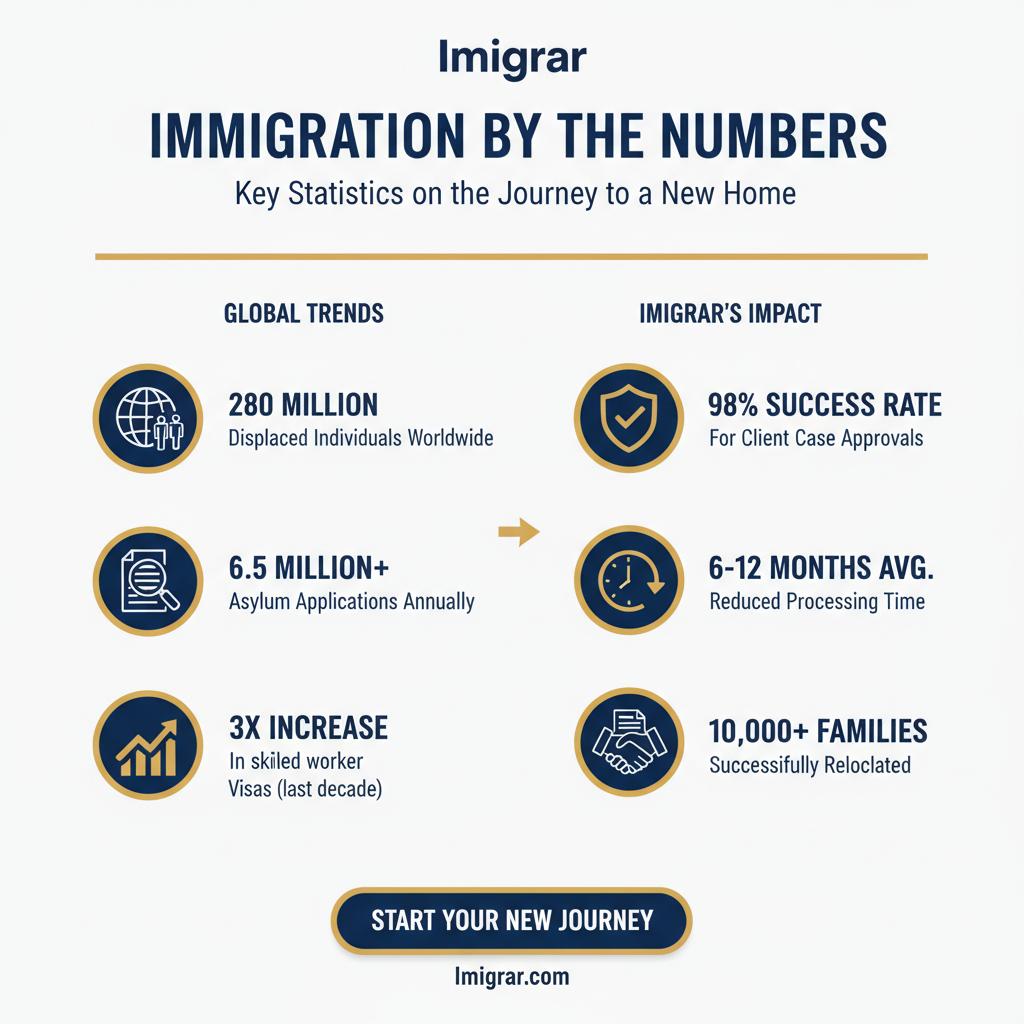
This immigration judge's decision resonates deeply within immigrant communities, especially in areas like Orlando and throughout Florida. It underscores the profound human impact of deportation policies and the critical role of legal defense. An estimated 1.5 million individuals across the U.S., many brought as children, face similar uncertainties regarding their immigration status, according to a 2025 report by the Migration Policy Institute.
The blocking of this deportation order signals that judges can and do exercise discretion, particularly when individuals demonstrate strong community ties and a lack of criminal history. This provides hope for many families in Florida who fear separation due to immigration enforcement. The case also sheds light on the increased use of ICE agreements with local police, known as 287(g) programs, which critics argue can lead to racial profiling and funnel more individuals into the deportation pipeline. While Khalil's case did not directly involve a 287(g) agreement, the broader context of aggressive enforcement makes such judicial interventions even more significant.
For students and young professionals in Florida's diverse population, this ruling offers a tangible example of how sustained legal advocacy can protect an individual's future. It reinforces the principle that every case is unique and deserves a thorough review of its merits. Imigrar is dedicated to helping individuals in Orlando and beyond understand their rights and pursue every available legal avenue to keep families together.
Affected by this news? Our Orlando immigration attorneys can help you understand your options. Keep Families Together.
Schedule Free ConsultationThe Legal Landscape
The legal framework surrounding deportation proceedings is complex, drawing from the Immigration and Nationality Act (INA) and various federal regulations. In Mahmoud Khalil's case, the judge's decision likely involved an assessment of several forms of relief from removal, such as cancellation of removal for certain non-permanent residents under INA § 240A(b) (8 U.S.C. § 1229b(b)). This relief is often available to individuals who have been physically present in the U.S. for at least 10 years, can demonstrate good moral character, and whose removal would cause "exceptional and extremely unusual hardship" to a qualifying U.S. citizen or lawful permanent resident spouse, parent, or child.
Another potential avenue considered could have been prosecutorial discretion, where the government chooses not to pursue removal, although the judge's ruling indicates a more definitive legal victory. Asylum or withholding of removal under INA § 208 (8 U.S.C. § 1158) or § 241(b)(3) (8 U.S.C. § 1231(b)(3)) might also be relevant if Khalil faced persecution in his home country. The judge's authority to block deportation stems from the broad discretion granted to immigration judges to grant relief based on the specific facts and equities of a case, as outlined in Title 8 of the Code of Federal Regulations (CFR).
Historically, cases involving individuals brought to the U.S. as children have often seen judicial and legislative efforts to provide relief. While programs like DACA (Deferred Action for Childhood Arrivals) offer temporary protection, they do not grant permanent legal status. This ruling highlights the ongoing need for comprehensive immigration reform and the critical role of individual court decisions in shaping the lives of immigrants.
What This Means For You
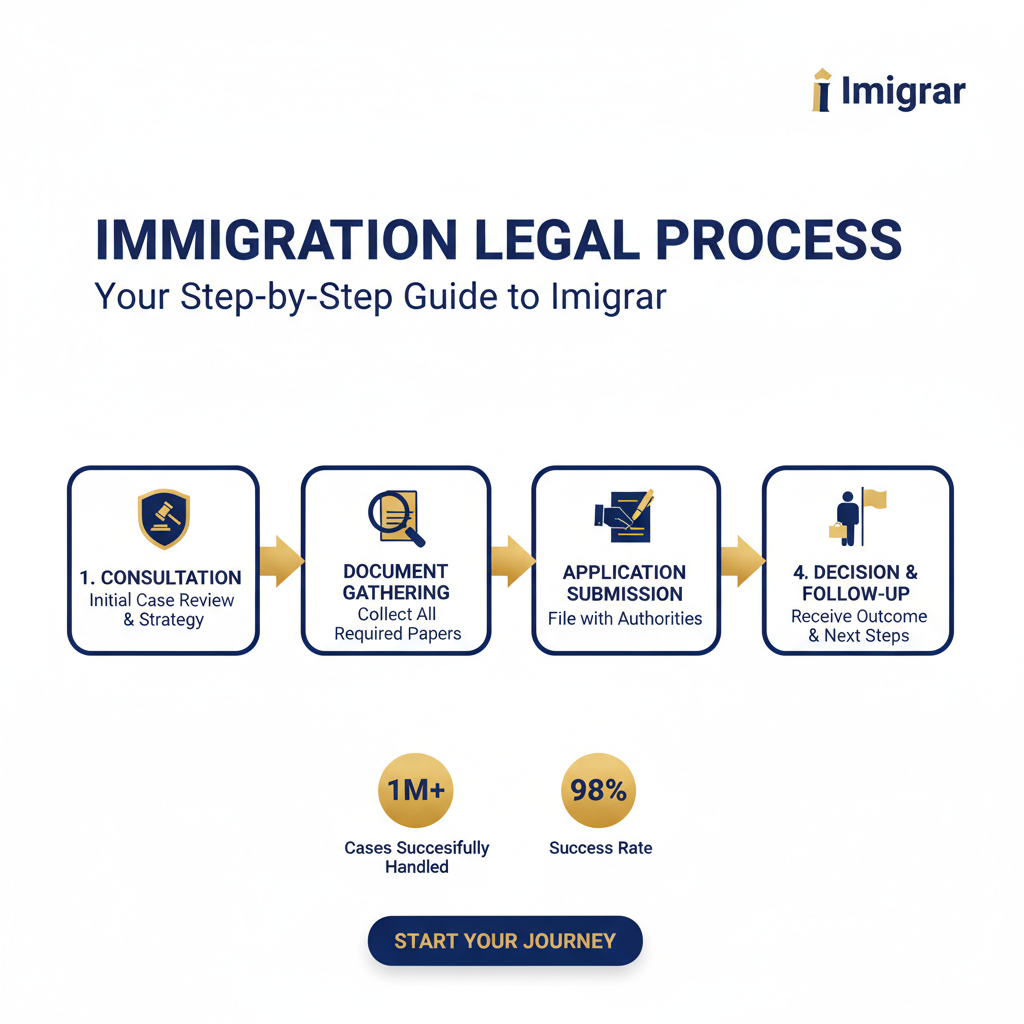
For immigrants and families in Orlando, Florida, this ruling underscores the importance of understanding your legal rights and available defenses against deportation. If you or a loved one are facing removal proceedings, it is crucial to act promptly and strategically. First, gather all relevant personal documents, including birth certificates, passports, marriage certificates, and any records of continuous presence in the U.S., such as school transcripts, utility bills, and employment records.
Documenting your community ties is also vital. This includes letters of support from family, friends, employers, and community leaders, as well as evidence of volunteer work or participation in local organizations. If you have U.S. citizen or lawful permanent resident family members, particularly spouses, parents, or children, their hardship if you were deported will be a significant factor in your case. Keep accurate records of any previous immigration applications or interactions with immigration authorities.
Deadlines in immigration cases are strict and missing one can have severe consequences. Consult with an experienced immigration attorney in Orlando immediately to evaluate your specific situation, identify potential forms of relief, and develop a robust legal strategy. Imigrar is here to provide the forensic precision and compassionate representation needed to navigate these complex challenges and keep families together.
What Comes Next
The blocking of Mahmoud Khalil's deportation order is a significant victory, but it does not necessarily mean the end of his immigration journey. The Department of Homeland Security (DHS) may appeal the immigration judge's decision to the Board of Immigration Appeals (BIA), which could then review the ruling. Such appeals can prolong the legal process for months or even years. If the BIA upholds the judge's decision, Khalil would likely be granted a form of relief, allowing him to remain in the U.S.
Beyond individual cases, this ruling contributes to the broader conversation about immigration policy in 2026. There are ongoing legislative discussions in Congress regarding potential pathways to legal status for long-term residents and those brought to the U.S. as children. Advocacy groups will likely leverage this decision to press for more humane and comprehensive immigration reforms. Immigrants and their advocates in Orlando and across Florida should stay informed about these developments, as policy shifts can impact eligibility for various forms of relief.
To stay informed, monitor official announcements from USCIS and the Executive Office for Immigration Review. Subscribing to reputable immigration news sources and consulting with legal professionals at Imigrar are effective ways to keep abreast of changes that could affect your status. Understanding the evolving legal landscape is paramount for anyone navigating the U.S. immigration system.
Frequently Asked Questions
What did Mahmoud Khalil do at Columbia?
Mahmoud Khalil, a Columbia University student, gained attention for his participation in student protests. His activism led to allegations that prompted Immigration and Customs Enforcement (ICE) to initiate deportation proceedings against him. The immigration judge's decision to block his deportation order considered his specific circumstances and lack of criminal record, not just the allegations.
Which Columbia student protester who lived in the US since age 7 sued to stop deportation order?
Mahmoud Khalil is the Columbia University student protester who has lived in the U.S. since age seven. He successfully sued to stop his deportation order in a significant ruling by an immigration judge in February 2026. His case highlights the legal challenges faced by many long-term residents without permanent legal status.
What was the Supreme Court ruling regarding deportation?
While this specific case was decided by an immigration judge, not the Supreme Court, the Supreme Court has issued various rulings affecting deportation over the years. Recent Supreme Court decisions have often focused on the scope of judicial review in immigration cases and the interpretation of specific provisions of the Immigration and Nationality Act. These rulings can set precedents that influence lower court decisions.
Who is the Columbia student being held by ICE?
Mahmoud Khalil was the Columbia student facing a deportation order from ICE. However, the recent ruling by an immigration judge has blocked his deportation, meaning he is no longer subject to immediate removal. His case demonstrates how legal intervention can challenge and sometimes overturn ICE's efforts to deport individuals.
What is cancellation of removal?
Cancellation of removal is a form of relief from deportation available in certain circumstances. For non-permanent residents, it generally requires at least 10 years of continuous physical presence in the U.S., good moral character, and a demonstration that deportation would cause exceptional and extremely unusual hardship to a qualifying U.S. citizen or lawful permanent resident family member.
How do I find out if I have a deportation order?
If you suspect you have a deportation order or are in removal proceedings, it is critical to consult with an immigration attorney immediately. You can also check your case status online through the Executive Office for Immigration Review (EOIR) website using your A-number, or by contacting USCIS. An attorney can help you understand your status and options.
Legal Disclaimer: This article provides general information about immigration law and is not intended as legal advice for any individual case. Immigration law is complex and constantly evolving. The information presented here should not be used as a substitute for competent legal advice from a licensed attorney. Always consult with a qualified immigration attorney to discuss your specific circumstances and legal options. Imigrar does not guarantee outcomes.
Do not navigate this alone. Contact Imigrar for guidance specific to your situation. Se Habla Espanol.
Call Us Now: +1 786-791-3106![Federal Judge Orders Parole Restoration for CBP One Migrants [2026]](/_next/image?url=https%3A%2F%2Fgbuudiafismgbqpzulue.supabase.co%2Fstorage%2Fv1%2Fobject%2Fpublic%2Fblog-images%2Fimmigration-header-1774980085612.png&w=3840&q=75)
![ICE Agents Stationed Outside Marine Corps Graduation Events [2026]](/_next/image?url=https%3A%2F%2Fgbuudiafismgbqpzulue.supabase.co%2Fstorage%2Fv1%2Fobject%2Fpublic%2Fblog-images%2Fimmigration-header-1774967342581.png&w=3840&q=75)
