


The reporting that sparked this guide: NYC Immigration Attorney Navigating a Shifting Landscape in U.S. Immigration - The Clarion-Ledger (News Source)
What This News Means for Immigrants in Orlando and Across Florida
The recent decision by the Eleventh Circuit to remand a 220A detention statute dispute is a significant development in immigration law. For immigrants and their families, especially those in Orlando and across Florida, understanding these legal movements is crucial. It can directly impact individuals facing immigration detention and their options for release.
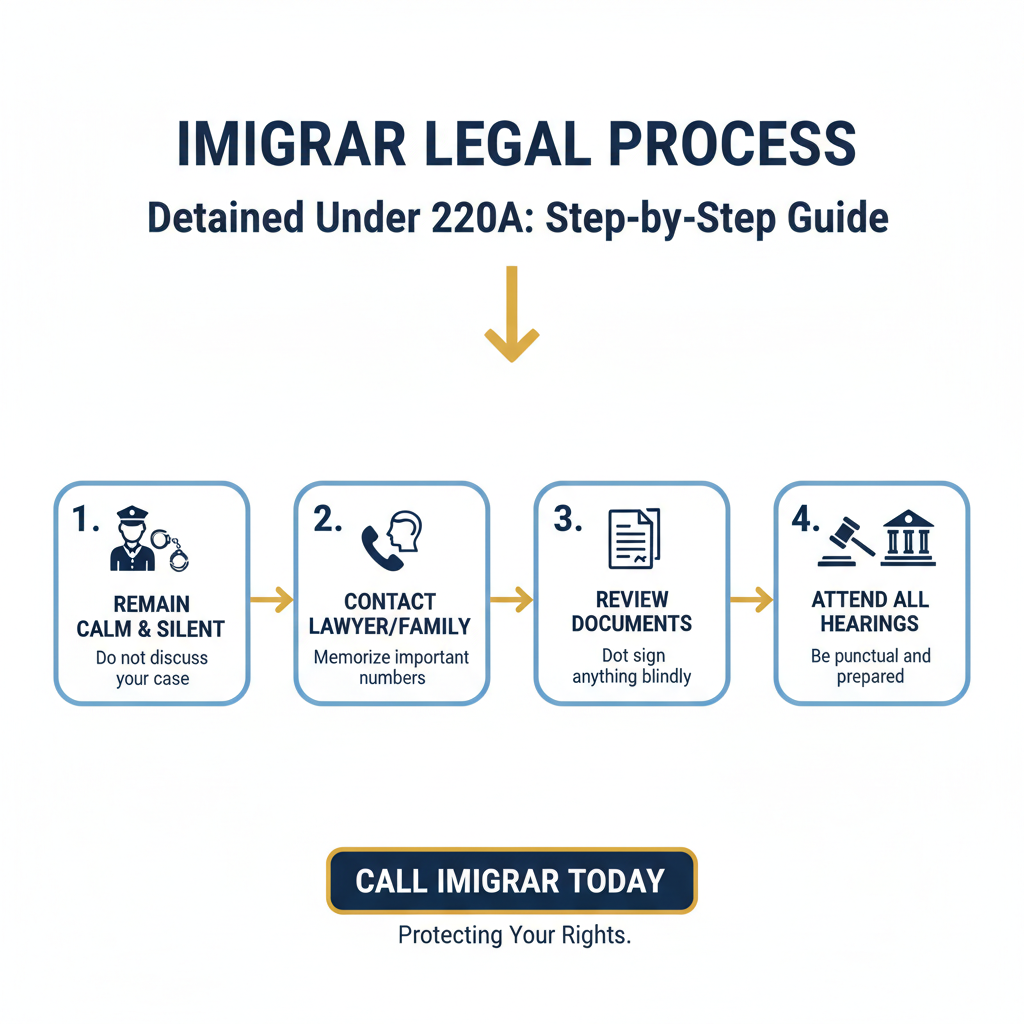
Why this news is showing up now
Immigration law is constantly evolving, with courts frequently interpreting and reinterpreting statutes. The Eleventh Circuit's decision reflects the ongoing legal challenges to various aspects of immigration detention, particularly regarding the scope and application of statutes like 220A. These cases often involve complex constitutional and statutory arguments, leading to lengthy legal battles and eventual remands for further consideration by lower courts.
How it can affect Florida residents
For Florida residents, particularly those in Central Florida, this Eleventh Circuit remand could mean changes in how immigration detention cases are handled. If you or a loved one is currently in detention, or facing potential detention, this legal development might influence your options for challenging that detention. It underscores the importance of seeking timely and expert legal advice to navigate these complex situations and to explore potential avenues for a motion to ameliorate conditions of release or a prolonged detention habeas petition.
What Eleventh Circuit Remands 220A Detention Statute Dispute Is (and Why It Matters)
The phrase "Eleventh Circuit remands 220A detention statute dispute" refers to a situation where the United States Court of Appeals for the Eleventh Circuit sends a legal case back to a lower court for further action. This particular dispute centers on a detention statute, likely related to immigration law, and its application.
A plain-English definition
Imagine a high school principal (the Eleventh Circuit) receives a complicated student dispute that a teacher (the lower court) initially handled. The principal reviews the teacher's decision and the rules applied. If the principal believes the teacher didn't use the rules correctly, or needs more information, they might send the dispute back to the teacher with instructions to re-examine it. This is essentially what a remand is in the legal system. The 220A detention statute dispute involves legal arguments about how individuals are detained under immigration law, and the Eleventh Circuit has sent it back for the lower court to reconsider specific aspects.
Key terms you need to know
- Eleventh Circuit: This is a federal appellate court that hears appeals from federal district courts in Alabama, Florida, and Georgia. Its decisions are binding on these states.
- Remand: To send a case back to a lower court for further action, such as reconsideration, new hearings, or additional fact-finding.
- 220A Detention Statute Dispute: This likely refers to a legal argument or case concerning a specific statute governing immigration detention. While "220A" is not a standard, widely recognized section of the Immigration and Nationality Act (INA) for detention, it points to a specific legal challenge regarding detention authority. It's crucial to identify the exact statutory reference in the specific case being discussed, which could be related to 8 U.S.C. 1226 (Apprehension and Detention of Aliens) or 8 U.S.C. 1225(b)(2)(A) (Inspection of Aliens; Expedited Removal).
- Detention: The holding of an individual in custody, in this context, by immigration authorities.
- Habeas Corpus (28 U.S.C. 2241): A legal action by which detainees can challenge the legality of their detention, arguing they are being held unlawfully. This is often used in prolonged detention habeas cases.
- Defendant: In the context of challenging detention, this refers to the individual being held in immigration custody.
- EOIR Case Status: The Executive Office for Immigration Review (EOIR) is where immigration court cases are heard. Checking your EOIR case status is vital for anyone in immigration proceedings.
Current Immigration Law: The Foundation
Understanding the legal framework behind immigration detention is essential. The primary laws governing the apprehension and detention of non-citizens in the United States are found within the Immigration and Nationality Act (INA).
Federal requirements
Federal law provides the basis for immigration detention. Key sections include:
- INA Section 235(b) (8 U.S.C. 1225(b)): This section outlines the inspection of aliens seeking admission and procedures for expedited removal. Specifically, INA Section 235(b)(1) addresses expedited removal for inadmissible aliens, often leading to detention without a full hearing before an immigration judge.
- INA Section 236 (8 U.S.C. 1226): This section, titled "Apprehension and Detention of Aliens," grants the Secretary of Homeland Security broad authority to arrest and detain non-citizens. It distinguishes between mandatory detention (e.g., for certain criminal offenses) and discretionary detention, where bond may be available.
- 28 U.S.C. 2241: This is the federal habeas corpus statute, allowing individuals to challenge the legality of their detention. This statute is frequently invoked in cases of prolonged detention habeas, where immigrants argue they have been held for an unreasonable period without a bond hearing or final decision.
Immigrants interacting with the system often encounter forms such as Form I-213 (Record of Deportable/Inadmissible Alien) and Form I-862 (Notice to Appear), which initiate removal proceedings. For those seeking release, understanding the requirements for bond or parole is critical. More information on these processes can be found on the USCIS official website.
Florida-specific considerations
While immigration law is federal, its application can have state-specific nuances. In Florida, individuals detained by Immigration and Customs Enforcement (ICE) may be held in facilities like the Baker County Detention Center or the Glades County Detention Center. The Orlando USCIS Field Office handles many administrative matters, but detention and removal proceedings fall under the jurisdiction of the immigration courts, which are part of the Executive Office for Immigration Review (EOIR). It is important to remember that state laws, while not directly governing immigration, can sometimes intersect with immigration enforcement, particularly in terms of local law enforcement cooperation with federal agencies.
Need Help? Our Orlando immigration team is ready to assist. Call +1 786-791-3106 for a free consultation, or message us online. Se Habla Español.
How to Challenge Detention: A Complete Step-by-Step Guide
If you or a loved one is in immigration detention in Orlando or elsewhere, challenging that detention can be a complex but necessary process. Here is a general guide on how a defendant can challenge their detention.
1) Understand the basis of detention
The first step is to determine why the individual is being detained. This information is typically found in the Notice to Appear (Form I-862) or other charging documents. Detention could be mandatory (e.g., for certain criminal convictions) or discretionary. Knowing the legal basis is crucial for formulating a challenge.
- Required Documents: Notice to Appear (Form I-862), Warrant of Arrest of Alien (Form I-200), Record of Deportable/Inadmissible Alien (Form I-213).
2) Seek legal counsel immediately
Immigration law is highly specialized. An experienced immigration attorney can assess the specific circumstances, identify potential legal challenges, and guide you through the process. Imigrar offers consultations to help families in Orlando and nationwide. Important: Do not delay in contacting an attorney, as timing can be critical in detention cases.
- Action: Contact an immigration attorney. Prepare to provide all available documents related to the detention.
3) Request a bond hearing
If detention is discretionary, the immigrant may be eligible for a bond hearing before an immigration judge. At this hearing, the judge determines if the immigrant is a flight risk or a danger to the community. The goal is to set a reasonable bond amount or release the individual on their own recognizance. Evidence of strong community ties, family support, and a lack of criminal history are vital.
- Required Documents/Information: Evidence of ties to the community (job, family, property), financial statements, criminal background checks, letters of support.
4) File a motion to ameliorate conditions of release or for redetermination of bond
If a bond was set but is too high, or if conditions of release are unreasonable, an attorney can file a motion for redetermination of bond or a motion to ameliorate conditions of release. This motion asks the immigration judge to reconsider the bond amount or conditions based on new evidence or arguments.
- Action: Attorney drafts and files the motion with the immigration court.
5) Consider a habeas corpus petition (28 U.S.C. 2241)
For cases of prolonged detention, especially when no bond hearing is granted or the detention is deemed unlawful, a federal habeas corpus petition (under 28 U.S.C. 2241) may be filed in federal district court. This challenges the legality of the detention itself. This is a powerful tool for immigrants in prolonged detention habeas situations, arguing that due process rights have been violated.
- Required Documents: All immigration court documents, detention records, legal arguments supporting unlawful detention.
6) Explore parole options
In some circumstances, individuals may be eligible for parole from ICE custody, even if not eligible for bond. This is a discretionary decision by ICE, often granted for humanitarian reasons or if detention is deemed no longer necessary. Asylum seekers, for example, may be eligible for parole after demonstrating a credible fear of persecution.
- Required Documents: Application for parole, evidence of humanitarian need, evidence of no flight risk or danger, proof of credible fear (for asylum seekers).
Don't navigate immigration alone. Our experienced team at Imigrar is here to help you understand your options and fight for your rights. Call +1 786-791-3106 for a free consultation. Se Habla Español.
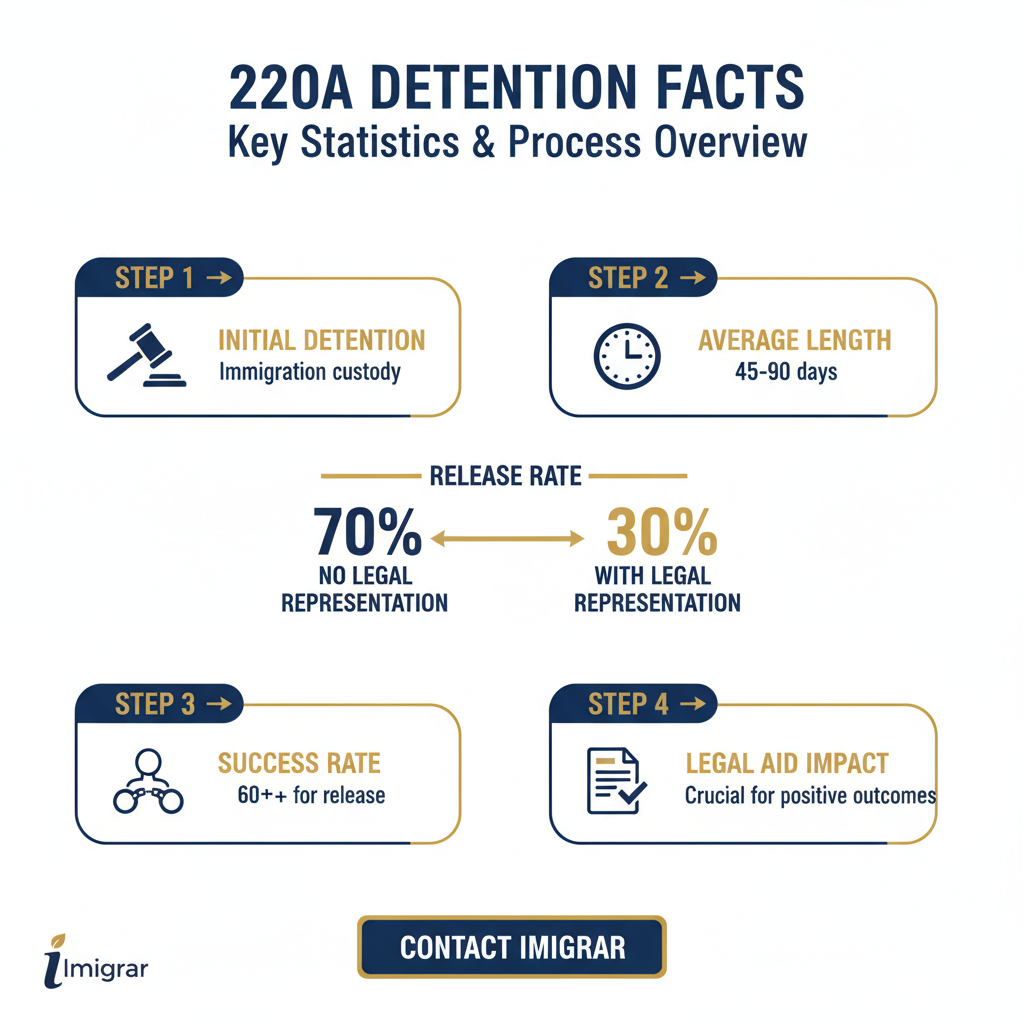
Practical Steps You Can Take Today
Navigating immigration detention can be overwhelming. Taking proactive steps can make a significant difference. Here’s a checklist and some guidance:
- Contact an Attorney Immediately: This is the most critical step. An attorney can assess your situation, explain your rights, and begin working on your case. Imigrar is ready to assist.
- Gather All Documents: Collect any immigration papers, criminal records, identification documents, and proof of family ties. Even seemingly minor documents can be helpful.
- Know Your Rights: Understand that you have the right to remain silent and the right to speak with an attorney. Do not sign anything you do not understand.
- Communicate with Family: Ensure your family knows how to contact your attorney and has copies of important documents.
- Check EOIR Case Status: Regularly check the EOIR case status online for updates on court hearings and decisions.
- Prepare for a Bond Hearing: If eligible, start gathering evidence of community ties (job, property, family in the U.S.) to present at a bond hearing.
- Document Conditions of Detention: If conditions are poor or abusive, document everything. This can be crucial for a motion to ameliorate conditions of release.
Document preparation guidance: Organize all documents chronologically and make multiple copies. If documents are not in English, ensure you have certified translations. For affidavits and letters of support, ensure they are notarized where required.
Timeline expectations: The timeline for challenging detention varies greatly. A bond hearing might occur relatively quickly (within weeks), while a federal habeas corpus petition can take months or even longer, especially if there are appeals. The Eleventh Circuit's decision to remand a 220A detention statute dispute means that the initial legal battle is far from over, and resolution could take considerable time at the lower court level.
How Imigrar Helps Immigrants in Orlando
At Imigrar, we understand the profound stress and uncertainty that immigration detention brings to families. Our mission, "Keep Families Together," drives every aspect of our practice. Based in Orlando, Florida, we serve clients nationwide, providing compassionate and effective legal representation.
Our experienced immigration attorneys specialize in complex detention cases, including those involving the Eleventh Circuit's interpretations of detention statutes. We are adept at filing bond requests, motions to ameliorate conditions of release, and federal habeas corpus petitions (28 U.S.C. 2241) for prolonged detention habeas. We know what is section 235(b)(1) and how it affects our clients.
We offer a free consultation to discuss your case, explain your options, and develop a strategic plan. Our team is dedicated to providing clear, honest advice and robust advocacy. We are proud to offer our services in both English and Spanish, ensuring that language is never a barrier to justice. Se Habla Español. If you are in Orlando or anywhere in Florida and need assistance with immigration release from detention, contact us today.
Frequently Asked Questions
Q: What can a defendant use to challenge their detention after a conviction?
A: After a conviction, a defendant challenging immigration detention often relies on arguments related to the legality of their underlying conviction, the nature of the offense (if it makes them deportable or inadmissible), or the duration of their detention. They might file a motion to reopen or reconsider immigration court proceedings, or, more commonly, a federal habeas corpus petition (28 U.S.C. 2241) if they believe their detention is unlawful or prolonged without justification. An attorney can help determine the best challenge.
Q: How long does the 11th circuit take to rule?
A: The time it takes for the Eleventh Circuit to rule on a case can vary significantly, ranging from several months to over a year. Factors influencing this timeline include the complexity of the legal issues, the court's caseload, and whether oral arguments are scheduled. A remand, like in the 220A detention statute dispute, means the case is sent back, so a final resolution from the appellate court is not immediate; the lower court must act first.
Q: Does a remand go back to the same judge?
A: Often, yes, a remanded case goes back to the same judge in the lower court. However, appellate courts sometimes specify that the case should be assigned to a different judge, especially if there were concerns about bias or a fundamental misunderstanding of the law by the original judge. In most instances, the original judge will be tasked with reconsidering the case in light of the appellate court's instructions.
Q: What does habeas corpus mean in simple terms?
A: In simple terms, habeas corpus (Latin for "you may have the body") is a legal protection that allows someone to challenge their imprisonment or detention. It's a way for a person to ask a court to determine if their detention is lawful. If the court finds the detention is illegal, it can order the person's release. This is a fundamental right used extensively in immigration cases, especially for prolonged detention habeas claims.
Q: What are the eligibility requirements for immigration release from detention?
A: Eligibility for immigration release from detention typically depends on whether detention is mandatory or discretionary. For discretionary detention, factors include not being deemed a flight risk or a danger to the community, having strong ties to the U.S. (family, employment, property), and a lack of serious criminal history. Asylum seekers might be eligible for parole after establishing a credible fear. An attorney can assess specific eligibility based on 8 U.S.C. 1226 and other relevant statutes.
Q: How does the Eleventh Circuit remand affect my immigration status?
A: A remand from the Eleventh Circuit, such as the one concerning the 220A detention statute dispute, doesn't directly change your immigration status. However, it can significantly impact your detention and removal proceedings. It may open new avenues to challenge your detention or affect the legal standards applied in your case. It is a procedural step that necessitates further legal action at a lower court. Consult with an attorney at Imigrar to understand the specific implications for your case.

Common Mistakes (and How to Avoid Them)
Navigating the immigration system, especially when facing detention, is fraught with potential pitfalls. Avoiding common mistakes can significantly improve your chances of a positive outcome.
Mistake #1: Not seeking legal representation
Many immigrants try to navigate the complex legal system alone, believing they can handle it. Immigration law, particularly concerning detention and appeals like the Eleventh Circuit remand, is highly specialized and constantly changing. Without an attorney, you might miss crucial deadlines, fail to present necessary evidence, or misunderstand your rights. Warning: The consequences of mistakes can be severe, including prolonged detention or deportation. Always consult an experienced immigration attorney, like those at Imigrar.
Mistake #2: Providing false information or documents
It is tempting to embellish or fabricate information when facing dire circumstances. However, providing false information or fraudulent documents to immigration authorities can lead to severe penalties, including criminal charges, permanent bars from future immigration benefits, and immediate deportation. Important: Always be truthful and provide accurate information. If you are unsure about a document, discuss it with your attorney.
Mistake #3: Missing deadlines
Immigration cases involve strict deadlines for filing forms, motions, and appeals. Missing a deadline, even by a day, can result in the denial of your application, the inability to challenge detention, or the loss of your right to appeal. For instance, responses to a motion to ameliorate conditions of release or a habeas petition have specific timeframes. Reminder: Keep track of all deadlines and work closely with your attorney to ensure all filings are submitted on time. The Executive Office for Immigration Review (EOIR) case status system can help track court dates, but your attorney is your primary guide.
Keep Families Together. If you or a loved one is facing immigration detention in Orlando or nationwide, Imigrar is here to help. Contact us for a free consultation at +1 786-791-3106 or reach out online. Se Habla Español.
The Eleventh Circuit's decision to remand the 220A detention statute dispute underscores the dynamic nature of immigration law. For immigrants in Orlando, across Florida, and throughout the nation, understanding these developments is vital. Whether it's navigating the complexities of 8 U.S.C. 1226, filing a prolonged detention habeas petition under 28 U.S.C. 2241, or simply checking your EOIR case status, having knowledgeable legal counsel is indispensable. Imigrar is committed to providing the expert guidance and compassionate support needed to protect your rights and keep families together.
If you have questions about immigration release from detention, what is section 235(b)(1), or how to challenge your detention, don't hesitate to reach out. Our Orlando-based team is ready to assist you.
Take the first step towards clarity and resolution. Contact Imigrar today for a confidential consultation. Call us at +1 786-791-3106 or visit our website at https://www.imigrar.com/contact. Se Habla Español. Your family's future is our priority.
![Federal Judge Orders Parole Restoration for CBP One Migrants [2026]](/_next/image?url=https%3A%2F%2Fgbuudiafismgbqpzulue.supabase.co%2Fstorage%2Fv1%2Fobject%2Fpublic%2Fblog-images%2Fimmigration-header-1774980085612.png&w=3840&q=75)
![ICE Agents Stationed Outside Marine Corps Graduation Events [2026]](/_next/image?url=https%3A%2F%2Fgbuudiafismgbqpzulue.supabase.co%2Fstorage%2Fv1%2Fobject%2Fpublic%2Fblog-images%2Fimmigration-header-1774967342581.png&w=3840&q=75)
